




Expert Calls for Modern Slaughterhouses in Surat to Curb Floods and Pollution
SURAT : As Surat expands into one of India’s fastest-growing urban centres, the city urgently needs modern, authorised slaughterhouses backed by scientific planning to prevent illegal waste...

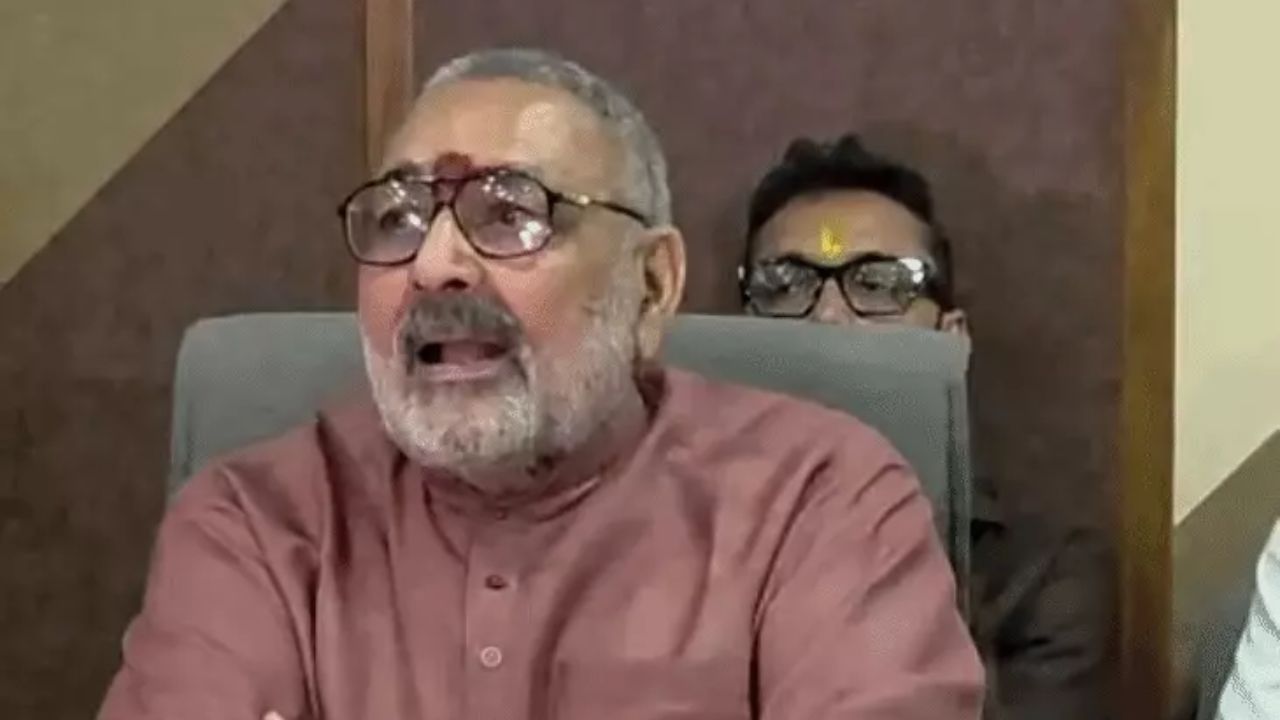
SURAT : As Surat expands into one of India’s fastest-growing urban centres, the city urgently needs modern, authorised slaughterhouses backed by scientific planning to prevent illegal waste dumping, environmental pollution and urban flooding, according to urban planning expert Dr. Pankaj Gandhi. He has urged the Surat Municipal Corporation (SMC) and the Surat Urban Development Authority (SUDA) to make advance provisions for such facilities in every new Town Planning (TP) Scheme.
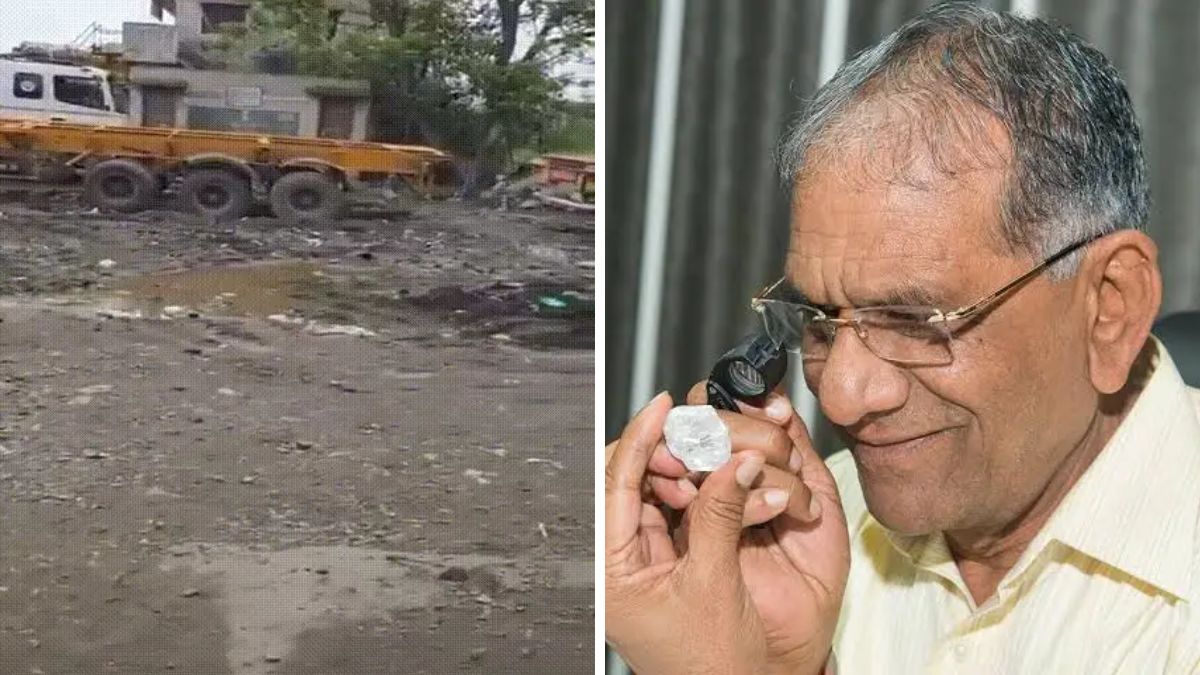
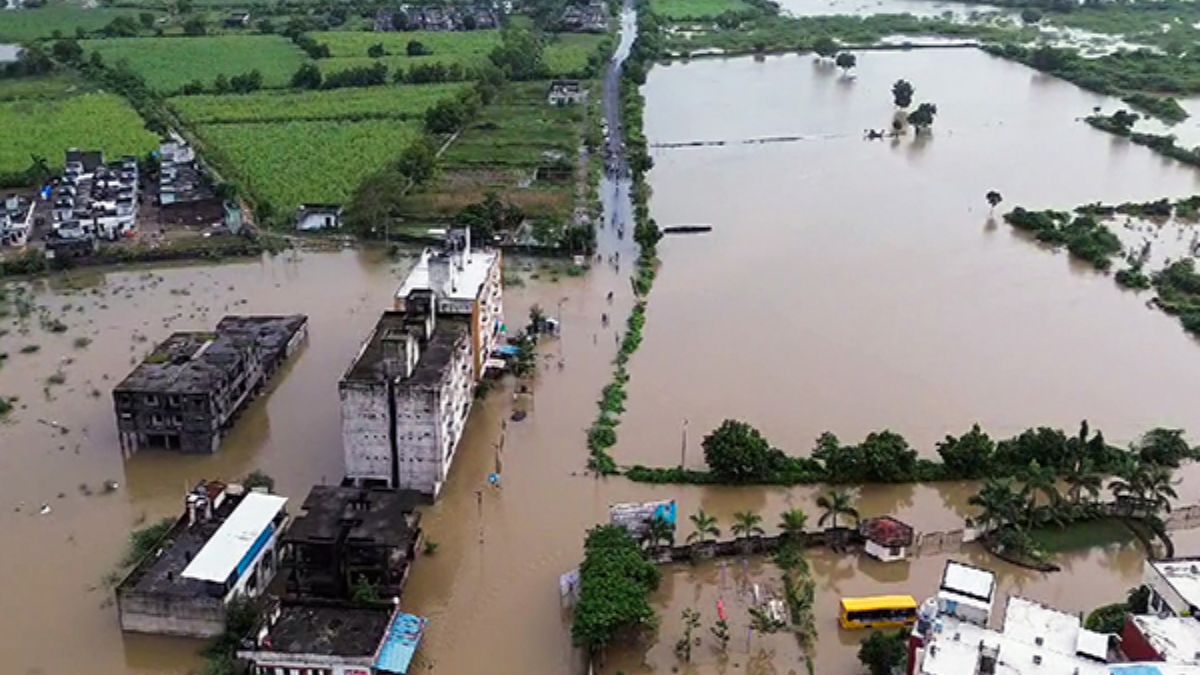
The appeal comes amid reports that bones, entrails and other biological waste from illegal animal slaughter are being dumped into creeks and natural drainage channels across Surat. Experts warn that such practices are choking stormwater drains, polluting water bodies and increasing flood risks during the monsoon.
“Planning modern, scientific and environment-friendly authorised slaughterhouses is no longer a matter of convenience. It is now essential for public health, environmental protection, urban flood prevention and good urban governance,” said Dr. Gandhi.
According to Dr. Gandhi, Surat’s population has grown from nearly 12 lakh to over 85 lakh in the past few decades. However, no new authorised slaughterhouses have been established despite the city’s rapid expansion.
Earlier, authorised slaughterhouses in Jhampa Bazar, Nanpura and Sayyadpura catered to a much smaller population. Today, many newly developed areas lack such infrastructure, leading to the rise of illegal slaughtering and improper disposal of organic waste.
Dr. Gandhi said biological waste dumped into creeks and stormwater drains obstructs water flow, reduces drainage capacity during heavy rains and creates foul odours, bacterial growth and water pollution. It also damages the city’s natural ecosystem over time.
He recommended that SMC and SUDA reserve land for Slaughter House Utility Zones in every new TP Scheme. Fast-growing areas such as Limbayat, Mithi Khadi, Pandesara, Udhna, Sachin, Kadodara and Kamrej should be prioritised for establishing modern slaughterhouses equipped with rendering plants, refrigerated storage, scientific waste collection systems and enclosed pipelines.
“Just as land is reserved for roads, schools, gardens, fire stations and sewage treatment plants, similar planning should be made for authorised slaughterhouses based on present and future population needs,” he said.
The expert also suggested mandatory CCTV surveillance, GPS-based waste transport, digital tracking, regular inspections by pollution control authorities and strict action against illegal slaughterhouses.
Dr. Gandhi emphasised that scientific planning would reduce illegal slaughter, stop biological waste from entering creeks, improve public health, lower urban flood risks and make Surat’s meat business cleaner, safer and more transparent as the city prepares for the next 25 to 50 years of growth.