
Drones Over Surat: Citizen Exposes Liquor Mafia, Alleges Police Protection and Threats
Citizen activist Sanjay Ezhava writes to Gujarat CM Bhupendra Patel after live drone raids uncover alleged collusion, threats and intimidatio

Advertisement
Surat | Gujarat — In a city officially governed under strict prohibition laws, the sight of illegal liquor dens operating openly should have been unthinkable. Yet, in the diamond city of Surat, took an aware citizen with a drone, not the police, to expose what many now allege a murky nexus between bootleggers, drug peddlers and law enforcement officials.
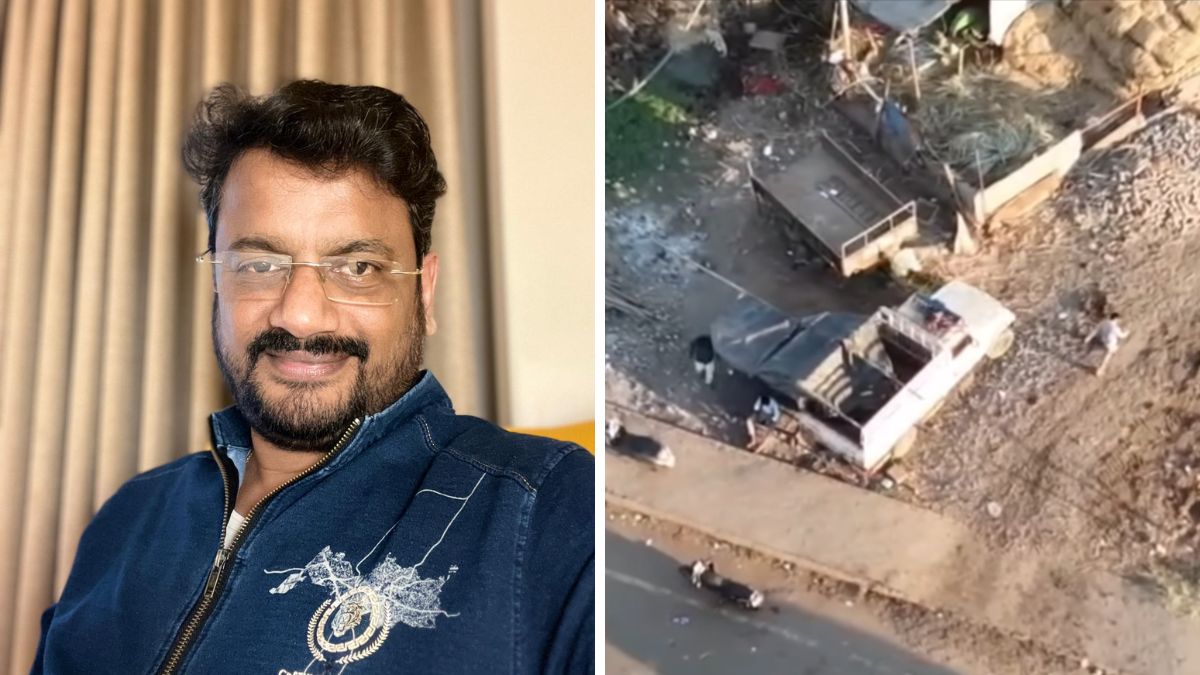
Sanjay Ezhava, a socially conscious citizen and activist, has conducted live drone recordings of more than eight liquor dens functioning across Surat. Spending his own money and risking personal safety, Ezhava documented these illegal operations from the air, bringing to light what he claims is a systematic failure—and collusion—within the policing system. The footage has been uploaded on his YouTube channel @kaydakatha, serving as both evidence and public awareness material.
“What I did is not my responsibility. It is the duty of the police,” Ezhava said. “But when the system refuses to act, citizens are forced to step in.”
During several live drone raids, Ezhava noticed a disturbing pattern. The moment he informed local police about an active liquor den, the operators would mysteriously receive advance information. Within minutes, bootleggers would flee the spot, taking their stock of domestic or foreign liquor with them.
“This cannot happen without internal information leakage,” Ezhava alleged. “It clearly indicates collusion between anti-social elements and police officers.”
According to information gathered during his investigations, many liquor dens allegedly function by paying “monthly installments” to police personnel in the respective areas. As a result, enforcement remains cosmetic. Even when action is taken under public pressure, the same liquor den reappears within days—either at the same location or barely 50 metres away.
“This illegal business continues because it is protected,” Ezhava claimed. “Prohibition exists only on paper.”
Following repeated incidents and growing intimidation, Ezhava has now written a detailed letter to Gujarat Chief Minister Bhupendra Patel. In the letter, he not only outlines the alleged police–bootlegger nexus but also expresses grave concern for his life and reputation.
He fears that exposing illegal liquor and drug networks has made him a target—both for anti-social elements and sections of the police. In his letter, Ezhava lists multiple possible forms of retaliation, including false cases related to liquor possession, drugs, extortion, threats, breach of peace, cybercrime, and even serious charges such as sexual offences, the SC/ST Atrocities Act and POCSO.
“There is a real possibility of a fatal attack on me,” Ezhava warned. “It could be staged as a road accident or provocation by unknown persons. I fear I may be framed to silence me.”
He also suspects attempts to plant intoxicants in his office, house or vehicle to defame and prosecute him. “These are standard methods used to crush voices that speak out,” he wrote.
Ezhava’s allegations raise uncomfortable questions for a state that prides itself on prohibition and governance. Why are citizens forced to play the role of investigators? Why do illegal liquor dens resurface repeatedly despite complaints? And most importantly, who protects those who expose wrongdoing?
As his drone videos circulate widely on social media, public pressure is mounting on the Gujarat government to order an independent, high-level probe into the allegations. For now, Sanjay Ezhava continues to stand his ground—armed not with power or authority, but with evidence, conviction and a drone that has shaken the city’s uneasy silence.
Advertisement
