


MANTRA Pushes Uttar Pradesh Textile Policy
VARANASI: Stronger protection for Banarasi Silk, a more credible Handloom Mark and faster adoption of man-made fibres (MMF) and Technical Textiles emerged as key demands at an IIT Kanpur dialogue on...

VARANASI: Stronger protection for Banarasi Silk, a more credible Handloom Mark and faster adoption of man-made fibres (MMF) and Technical Textiles emerged as key demands at an IIT Kanpur dialogue on Uttar Pradesh’s textile policy.
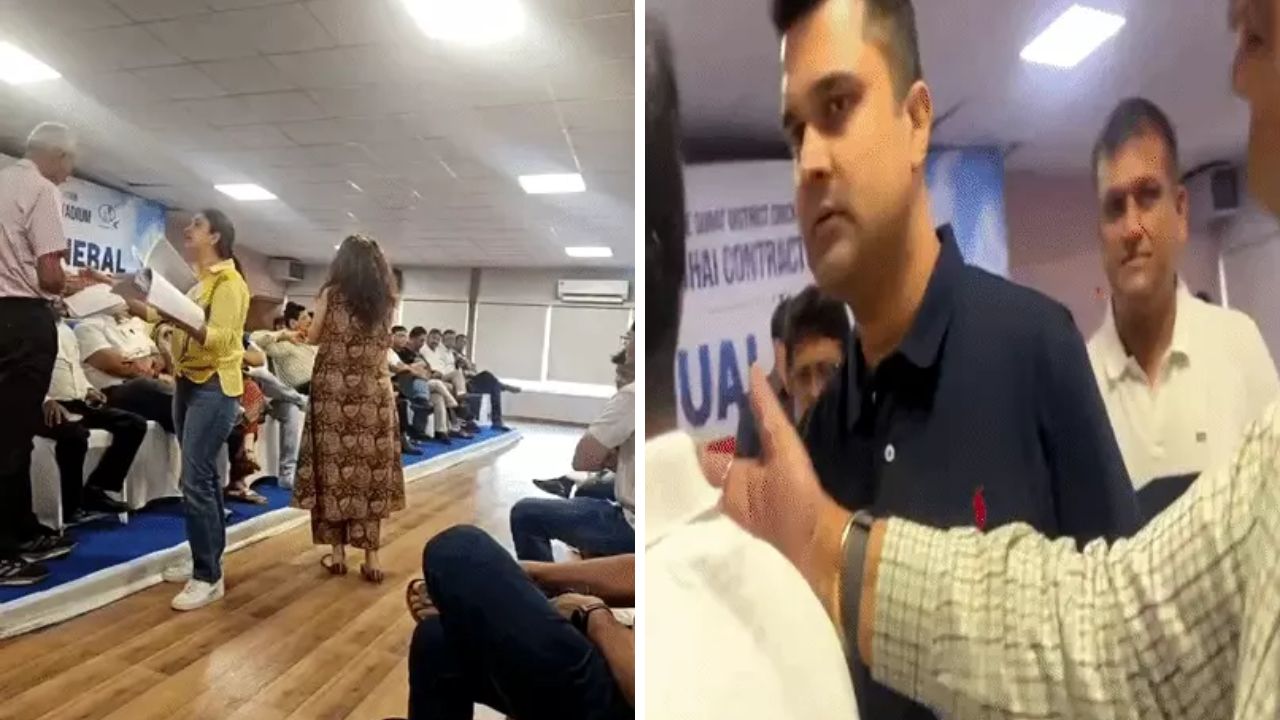
The national-level dialogue was held at Hotel Clarks, Varanasi, bringing together textile experts, researchers, industry representatives and other stakeholders. The meeting focused on policy measures to strengthen Uttar Pradesh’s handloom, powerloom and textile sectors.
Dr Pankaj Gandhi, Director of Surat-based Man-Made Textiles Research Association (MANTRA), called for closer integration of Uttar Pradesh’s textile heritage with modern technology, research and global market needs.
Stronger Handloom Mark Needed
Dr Gandhi said the Handloom Mark should become a strong consumer-facing system for authentication and quality assurance. He suggested a model similar to internationally recognised certification marks such as Woolmark.
“Genuine handloom products need to be clearly distinguishable from powerloom and imitation products,” Dr Gandhi said, stressing the need for stronger certification, testing, traceability and market surveillance.
He said such measures could protect traditional weavers while improving consumer confidence.
Focus on Banarasi Silk GI Protection
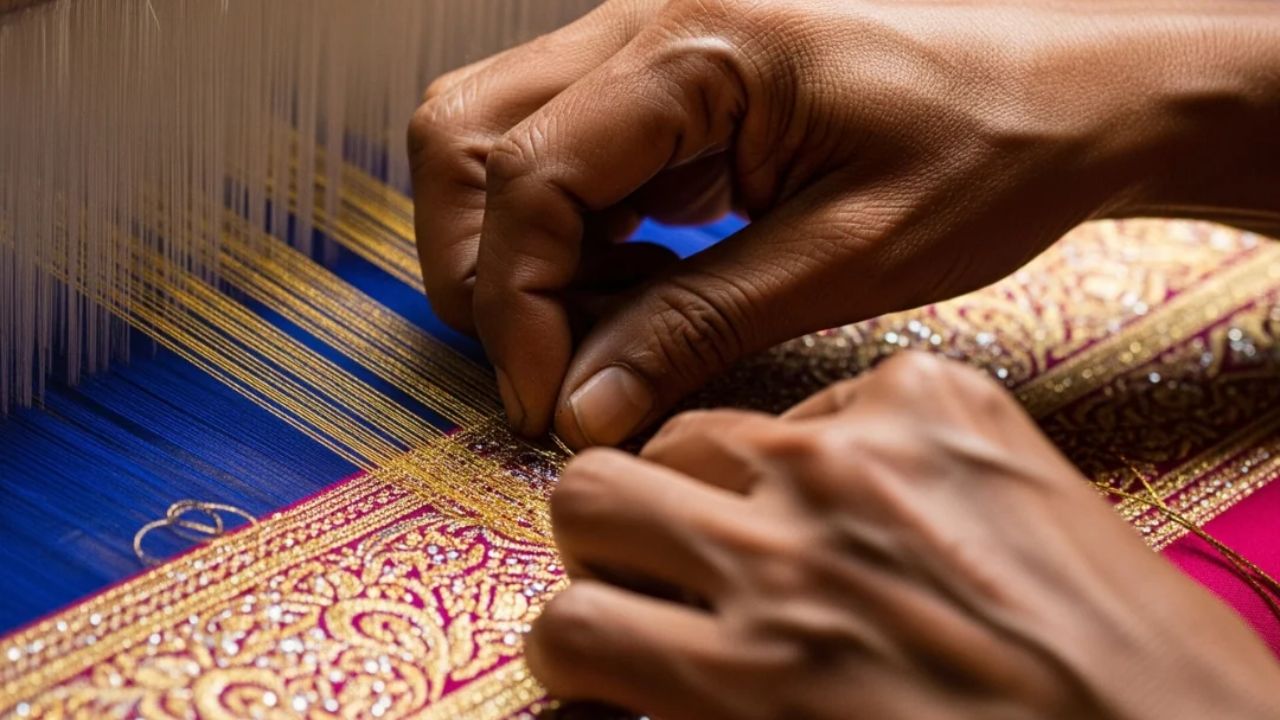
Protection of the Banarasi Silk identity was another major issue discussed at the dialogue. Dr Gandhi said GI registration alone cannot protect the product unless it is backed by effective enforcement and authentication.
“Banarasi Silk represents centuries of craftsmanship and traditional knowledge. Effective GI protection should ultimately ensure that the economic value associated with this identity reaches the genuine weaving ecosystem,” he said.
He suggested QR-based authentication, laboratory testing, digital traceability and stronger market surveillance to prevent misuse of the Banarasi identity.
MANTRA Offers MMF, Technical Textile Support
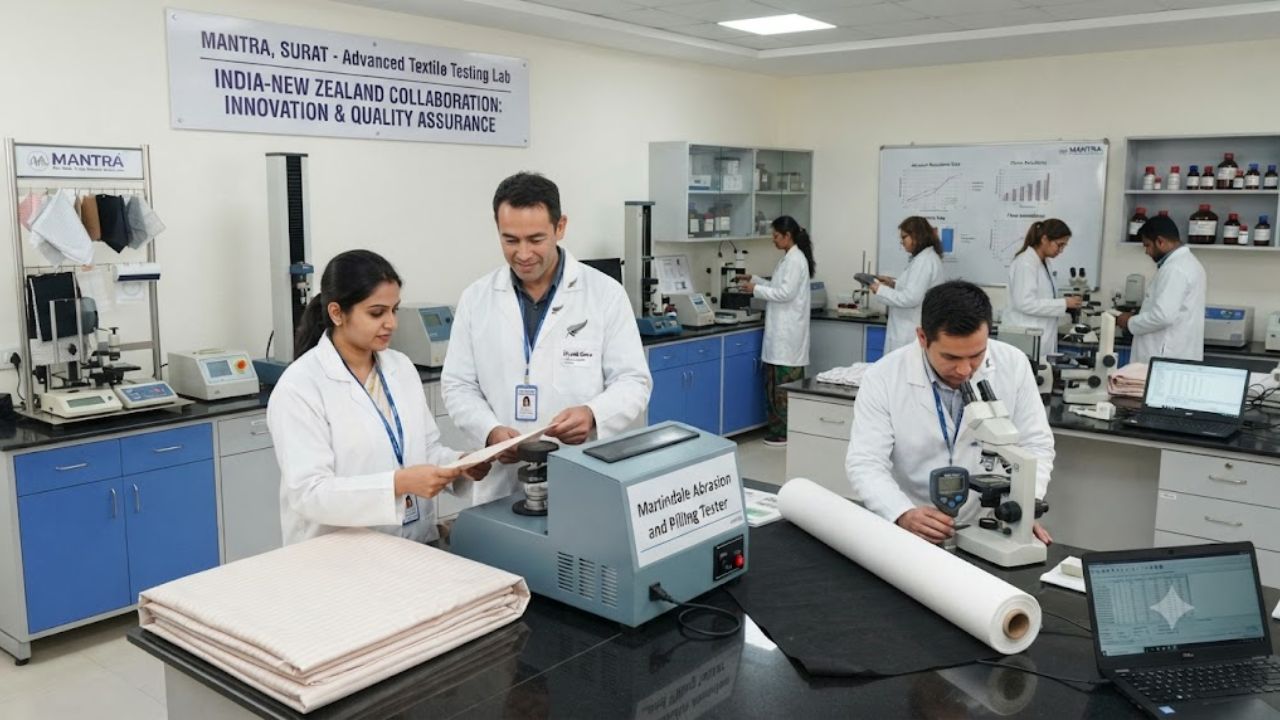
Dr Gandhi also offered MANTRA’s technical support to help Uttar Pradesh expand MMF-based weaving. The proposed assistance includes yarn and fabric development, process optimisation, testing, product development, technology transfer and technical training.
He also proposed cooperation in Technical Textiles, including geotextiles, agrotextiles, medical textiles, industrial textiles, protective textiles and automotive textiles.
MANTRA also expressed willingness to support the PM MITRA Park planned at Lucknow-Hardoi through MMF weaving, Technical Textiles, testing, R&D, skill development and technology-oriented manufacturing.
Dr Gandhi said Surat’s MMF experience could complement Uttar Pradesh’s strengths in handloom, silk, powerloom and traditional textile clusters.
“The future of Indian textiles lies in connecting heritage with innovation — protecting what is uniquely ours while developing the technologies and products that the world needs tomorrow,” he said.
MANTRA said it is ready to work with Invest UP, IIT Kanpur, the Uttar Pradesh government and textile clusters on R&D, testing, product development, skill development, consultancy and technology transfer.