



Marathi Film ‘Gondhal’ Has Deep Cultural Link With Khatri Community in Surat
SURAT : The Marathi film Gondhal may be heading to the global stage as India’s official entry for the 99th Academy Awards, but the traditional ritual at the heart of the film has a lesser-known...

SURAT : The Marathi film Gondhal may be heading to the global stage as India’s official entry for the 99th Academy Awards, but the traditional ritual at the heart of the film has a lesser-known cultural connection with sections of Surat’s Khatri community.
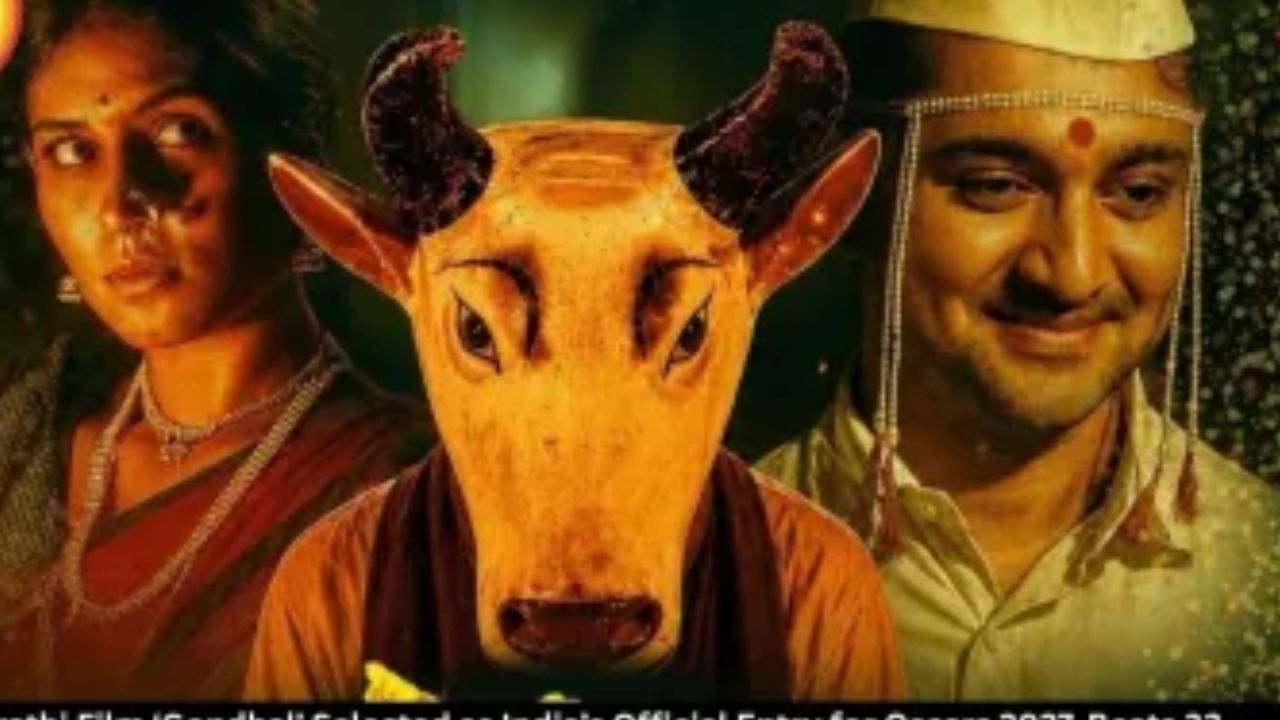
The Film Federation of India selected Santosh Davakhar’s Marathi film as India’s official entry for the Best International Feature Film category at the 2027 Oscars from 33 submissions. The film is rooted in Maharashtra’s traditional Gondhal ritual and folk-performance culture.
For certain Khatri families in Surat and South Gujarat, however, Gondhal is not simply a cinematic reference. It survives as a family religious tradition associated with the worship of the Kuldevi, fulfilment of family vows and important occasions.
According to a historical-cultural study compiled by Dr Pankaj Gandhi, who is associated with Surat’s Khatri community, the tradition needs to be understood in the context of migration, family lineage and cultural links with Maharashtra and South India.
“Gondhal should not be viewed as a uniform ritual followed by the entire Khatri community. It is a family tradition preserved among particular clans and families, especially those whose ancestral links connect them with Maharashtra or parts of South India,” the study notes.
A Night-Time Ritual of Kuldevi Worship
In families that preserve the practice, Gondhal is generally performed as an offering to the Kuldevi after the fulfilment of a mannat or family vow. It may be organised during weddings, after the birth of a child, during a housewarming ceremony or following the fulfilment of a long-standing religious commitment.
The ceremony, often referred to locally as Gondhal Mandvo or Gondhal Besadvu, is traditionally held at night.
Devotional songs, ballads and narratives associated with the Goddess form an important part of the ritual. The Maharashtrian tradition is traditionally accompanied by instruments such as the sambal, tuntune and jhanj, along with singing and dancing.
The film itself uses this folk tradition as a backdrop. Gondhal is set in rural Maharashtra and unfolds over a single night during a traditional ritual involving a newly married couple.
Kuldevi Traditions Vary Among Families
Among Khatri families in South Gujarat, the Goddesses associated with family worship can include Saptashrungi Mata of Vani, Bhavani, Ambaji, Mahalakshmi and Ashapura Mata. However, the specific Kuldevi differs according to family lineage and ancestral origin.
This distinction is significant because the Khatri community has historically included families who migrated from different regions, including Maharashtra, South India, Punjab, Sindh and areas such as Champaner.
Consequently, not every Khatri family in Surat observes Gondhal.
Food Offerings Also Differ
The naivedya offered during Gondhal also varies. Some families offer black chickpeas, fruits, patasha, puri and other vegetarian prasad. In certain Shakti-worship traditions, non-vegetarian offerings may also exist.
However, such practices cannot be treated as universal across the Khatri community. Family customs and clan traditions determine the form of the offering.
The ritual traditionally concludes with the Gondhali artists narrating the Goddess’s story through songs and dance, followed by aarti, prayers and distribution of prasad.
The Oscar selection has now brought renewed attention to a tradition that exists both as a cinematic subject and, for some families in Surat, as a living link to ancestral culture.
For Surat’s Khatri families who continue the practice, the global spotlight on Gondhal offers another opportunity to examine how migration, devotion and generations of family traditions have preserved a distinctive cultural connection between Gujarat and Maharashtra.