




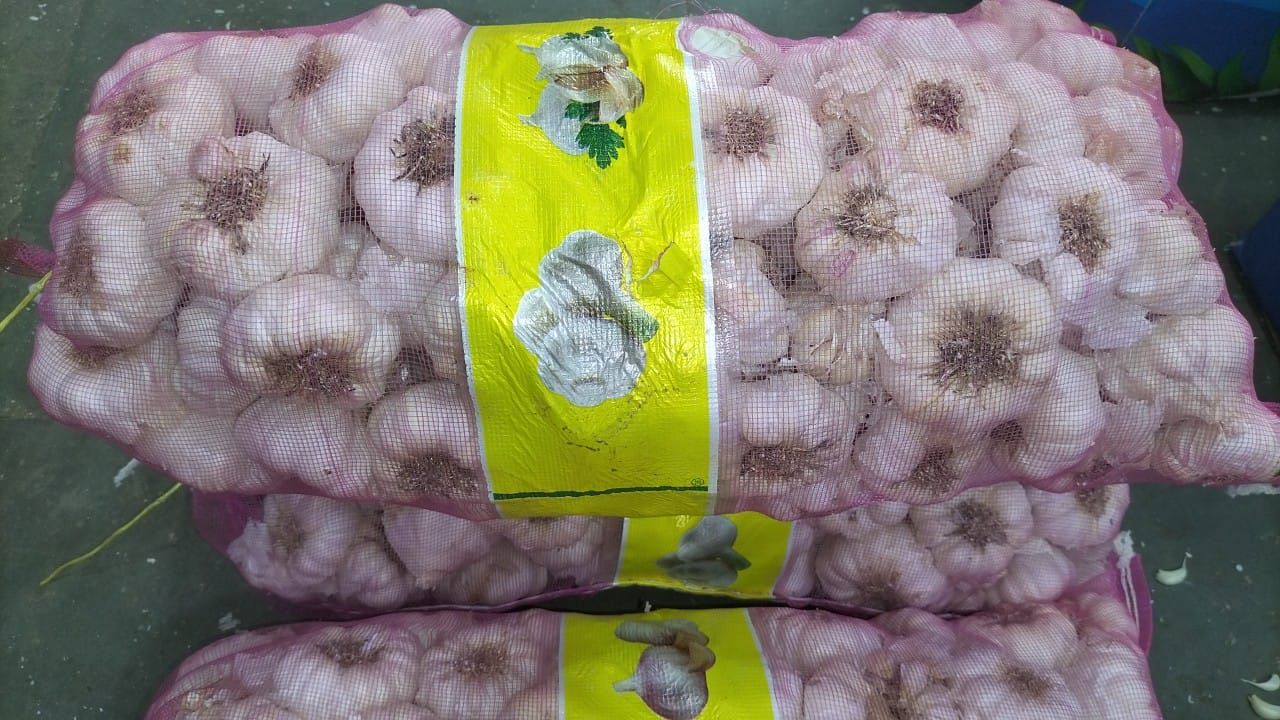
Surat : Garlic import rise from China, Iran as supply falls short
SURAT : Surat’s garlic market is feeling the heat as supplies fall sharply below demand, prompting traders to bring in dry garlic from China and Iran to bridge the gap. With daily demand estimated...

SURAT : Surat’s garlic market is feeling the heat as supplies fall sharply below demand, prompting traders to bring in dry garlic from China and Iran to bridge the gap. With daily demand estimated at 50–60 tonnes against arrivals of only 30–40 tonnes, large-clove garlic traded at around ₹4,000 per 20 kg at the Surat APMC.
To tackle the shortage, local traders have placed orders with importers and sourced containers of dry garlic through ports including Mundra, Nhava Sheva and Kochi.
Surat APMC director Babubhai Sheikh said the supply crunch had pushed traders to explore imported stocks.
“Large-clove dry garlic was sold at ₹4,000 per 20 kg, while small-clove garlic was around ₹1,400. Supply is lower than demand, so Chinese and Iranian garlic has started reaching Surat,” Sheikh said.
According to the data cited by traders, India imported around 10,082 tonnes of garlic from Iran in 2024. This year, shipments have included 27 consignments from China and seven from Iran.
However, Sheikh said consumer preference could affect sales of imported garlic.
“Iranian garlic has reached Surat through Mumbai, but many consumers did not prefer its taste. Kashmiri red garlic is considered high quality, while premium Himachal garlic sees limited sales because of its price,” he said.
The shortage is also being linked to weather conditions. Garlic requires cooler temperatures, but rising temperatures over the past three years have affected production in major growing regions of Gujarat, Madhya Pradesh and Rajasthan.
Retail garlic prices in Surat are currently ranging between ₹200 and ₹320 per kg. Supplies traditionally arrive from Madhya Pradesh markets such as Neemuch, Mandsaur, Batnavar and Pipliya, besides Gujarat centres including Gondal, Rajkot, Bagasara, Bhavnagar and Jamnagar.
Traders said lower production and climate-related pressure mean prices are unlikely to ease significantly in the immediate future.