




Gujarat Launches First-of-Its-Kind Snakebite Campaign in Kaprada
VALSAD : Aiming to cut snakebite deaths by tackling one of the biggest risks — delayed hospital treatment — the Snake Research Institute (SRI), Dharampur, has launched what it described as a...

VALSAD : Aiming to cut snakebite deaths by tackling one of the biggest risks — delayed hospital treatment — the Snake Research Institute (SRI), Dharampur, has launched what it described as a first-of-its-kind initiative in India to turn traditional healers into a crucial link between snakebite victims and doctors.
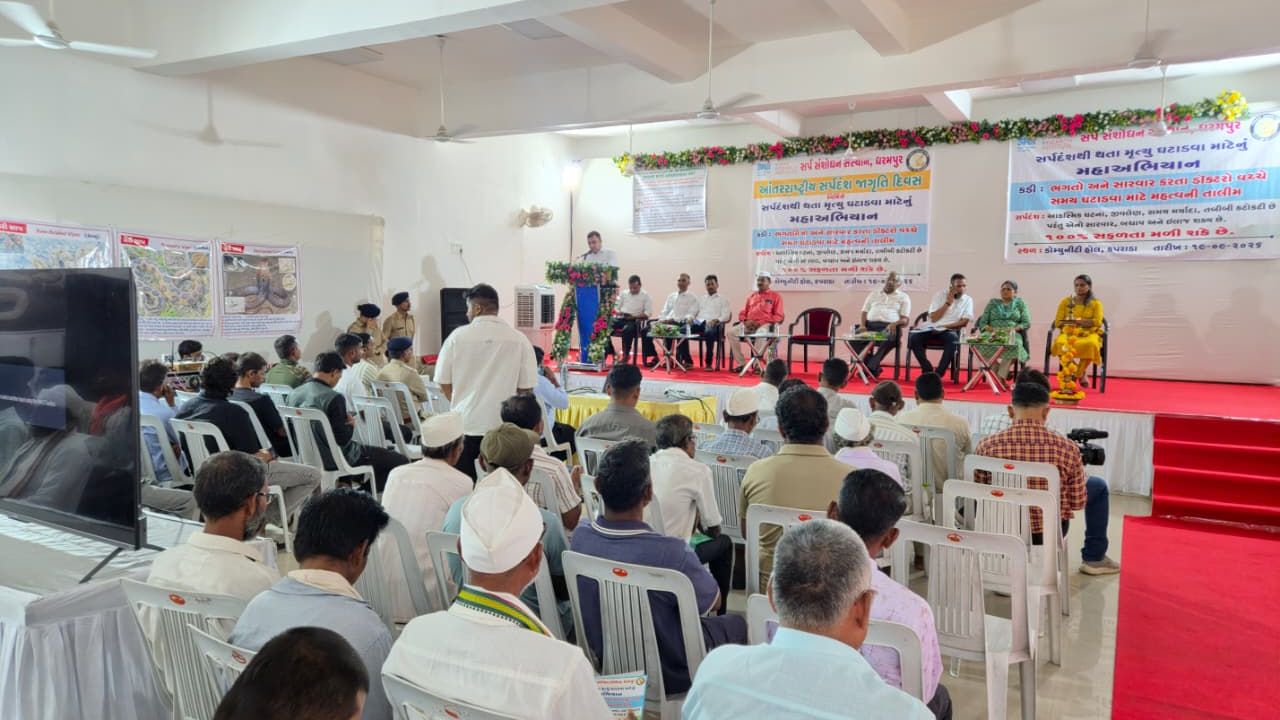
The campaign was launched at the Community Hall in Kaprada on Saturday on the occasion of International Snakebite Awareness Day. It seeks to mobilise Bhagat-mitras, traditional healers and community guides who are often the first people approached by residents after a snakebite.
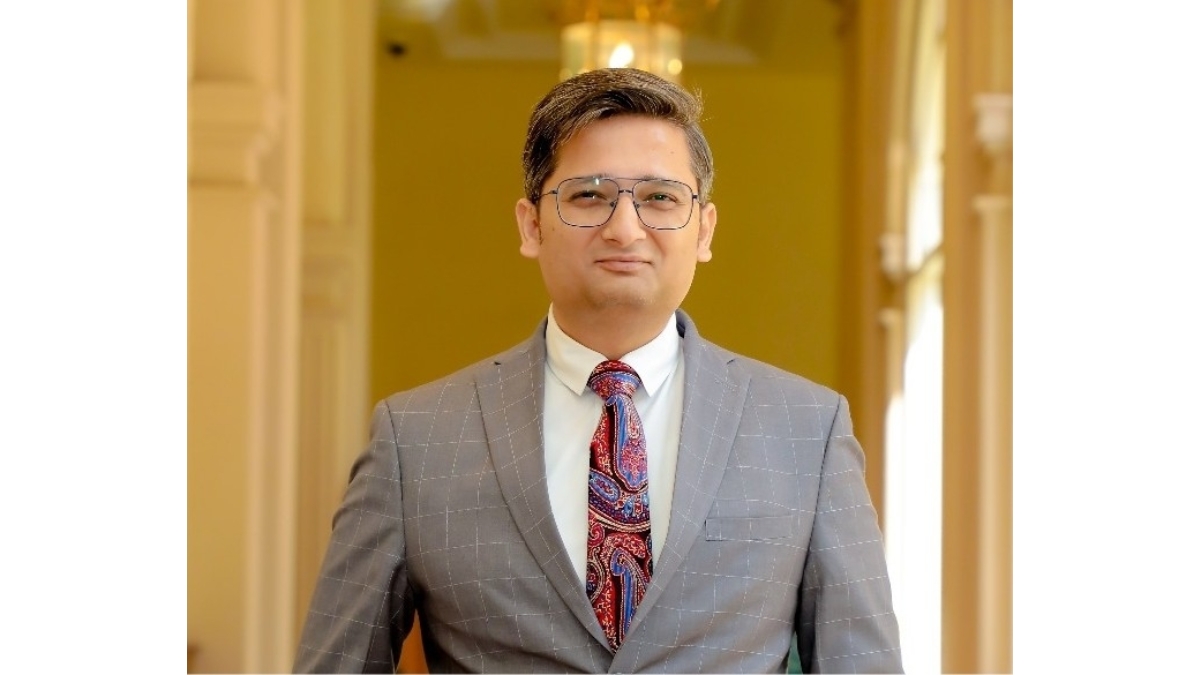
The programme was held under the guidance of SRI Vice Chairman Dr D.C. Patel and presided over by Valsad North Division Deputy Conservator of Forests Lokesh Bhardwaj.
Bhardwaj urged the Bhagat-mitras to use the trust they command in tribal communities to get victims to hospitals immediately.
“Time is the most precious factor in snakebite cases. If a person bitten by a snake comes to you, do not waste time. Help transport the victim to a hospital immediately. Your decision can save a precious life,” Bhardwaj said.
He stressed that the campaign was not intended to challenge faith, tradition or individual beliefs, but to prevent deaths caused by treatment delays.
According to the World Health Organization, an estimated 1.2 million people in India died from snakebites between 2000 and 2019, averaging about 58,000 deaths annually.
The initiative aims to bridge the gap between traditional community-level response and medical treatment, particularly in tribal and remote areas where hospitals may be difficult to reach.
Dr D.C. Patel, who has treated snakebite patients since 1987, said he had personally treated 22,081 patients and witnessed deaths linked to delayed treatment.
“I have witnessed cases where patients arrive late due to delays and succumb to death. Bhagat-mitras are the first line of contact and are in a position to bring snakebite-related deaths down to zero,” Patel said.
He also conducted a presentation explaining the differences between venomous and non-venomous snakes, the effects of snakebites and lessons from patient case studies.
The organisers appealed to Bhagat-mitras not to abandon their traditional role, but to make it more effective by ensuring victims reach medical facilities quickly.
Representatives from local panchayats, community leaders and traditional healers from Ahwa, Waghai, Dang, Dharampur and Kaprada attended the programme.
The event was conducted by Dharampur Range Forest Officer Hetal Bhandari.