



Gujarat Monsoon Crisis: 17 Districts Face Rainfall Deficit
GANDHINAGAR : Gujarat’s monsoon has entered a worrying phase, with 17 districts still facing a rainfall deficit of 3% to 87%, raising concerns over crops, livestock and the rural economy. The...

GANDHINAGAR : Gujarat’s monsoon has entered a worrying phase, with 17 districts still facing a rainfall deficit of 3% to 87%, raising concerns over crops, livestock and the rural economy. The situation is most critical in Devbhoomi Dwarka, Jamnagar, Porbandar and Kutch, where farmers are struggling for every drop of rain.
The state has received around 75% of its seasonal rainfall, but the distribution remains uneven. Devbhoomi Dwarka has received only about two inches of rain during the season, leaving the district with an 87% deficit. In contrast, Valsad has recorded nearly 108 inches of rainfall.
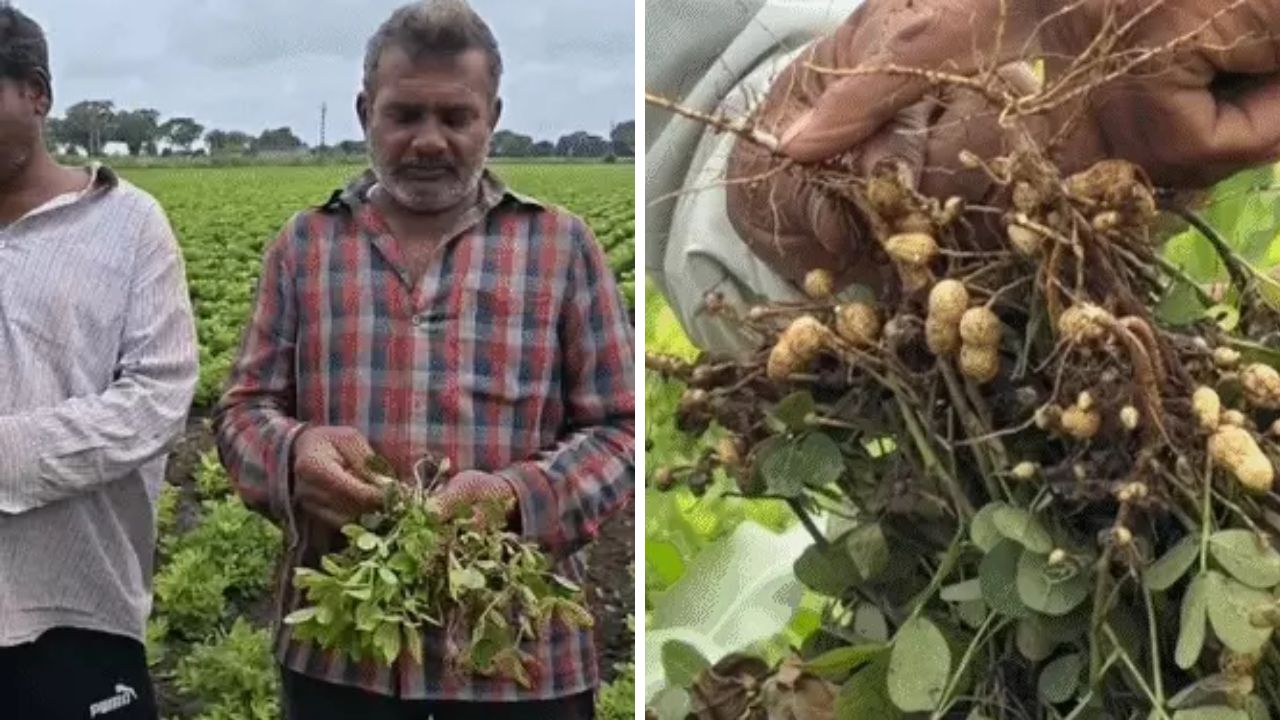
Farmers in the affected regions said crops that initially appeared healthy are now showing signs of stress. Groundnut crops, in particular, are reportedly developing poorly, with farmers finding empty pods despite green plants.
“We have spent around Rs 10,000 to Rs 20,000 per bigha on cultivation, but there is no yield. Even traders are now reluctant to provide goods on credit,” farmers said, highlighting the growing financial pressure.
The crisis could have a wider economic impact if rainfall does not improve. Lower groundnut and other crop production may affect farm incomes and push up prices of edible oil and other commodities.
Water storage is another concern. While 207 reservoirs across Gujarat have an overall storage level of about 73.43%, several reservoirs in Saurashtra and Kutch remain below 50%. Jamnagar has around 6.85% storage, increasing concerns over drinking water supplies.
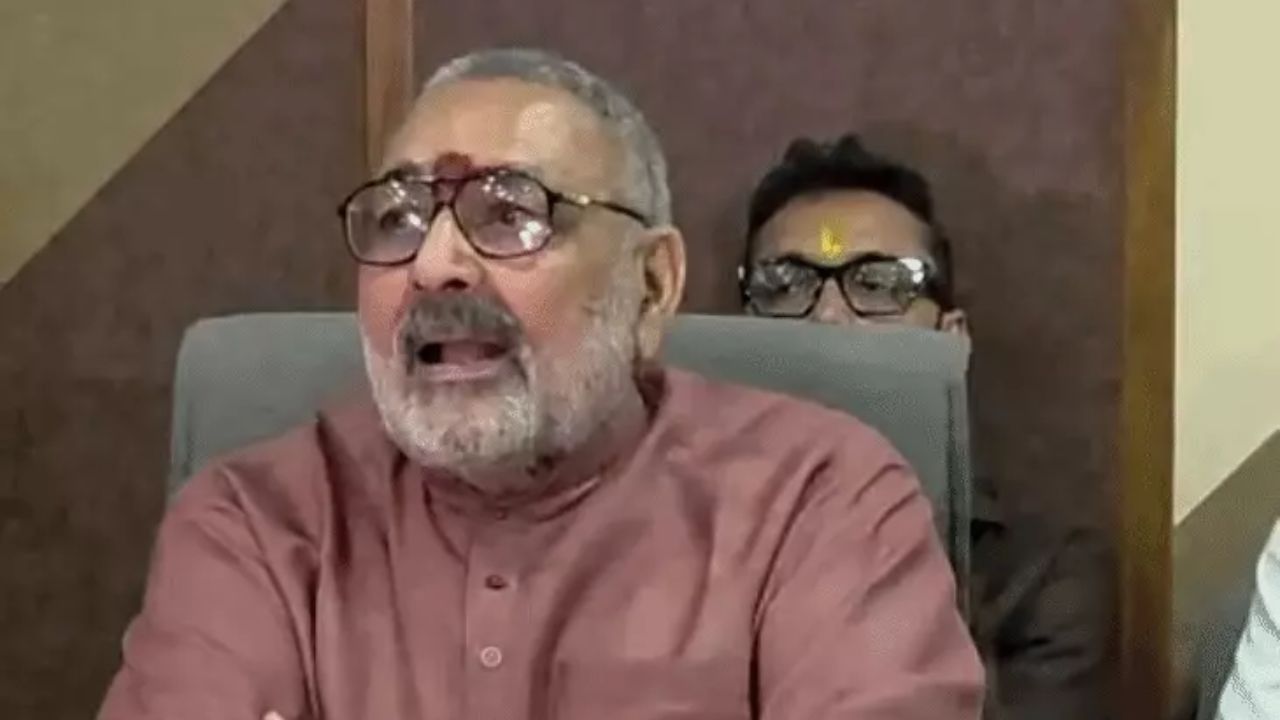
Agriculture Minister Jitu Vaghani said the government has increased electricity supply for irrigation in seven districts.
“Ten hours of electricity is being provided instead of eight hours to help farmers protect standing crops,” Vaghani said, naming Amreli, Porbandar, Junagadh, Devbhoomi Dwarka, Gir Somnath, Jamnagar and Kutch.
The government has also continued water supply through the Sauni and Sujalam-Sufalam schemes, while additional measures are being taken to meet drinking-water requirements.
With the monsoon still having some time left, farmers are now hoping for sustained rainfall to revive crops and prevent the rural economy from slipping deeper into crisis.