






Sugar Prices Rise, But South Gujarat’s Sugarcane Output Falls
SURAT : Higher sugar prices may bring relief to South Gujarat’s sugar mills, but the region’s shrinking sugarcane production is raising a bigger concern for farmers and cooperatives. With around 10...

SURAT : Higher sugar prices may bring relief to South Gujarat’s sugar mills, but the region’s shrinking sugarcane production is raising a bigger concern for farmers and cooperatives. With around 10 lakh gunis of sugar reportedly stocked across mills in South Gujarat, mills could benefit from the current price rise. However, farmer leaders say the long-term health of the sugar industry remains under pressure.
Cooperative and farmer leader Jayesh Patel (Delad) said the region, once among India’s major sugarcane-producing belts, has seen a sharp decline in production.
“Farmers and sugar mills are happy when sugar prices rise, but farmers do not automatically receive the full benefit. The government must ensure a minimum selling price that reflects rising production costs,” Delad said.
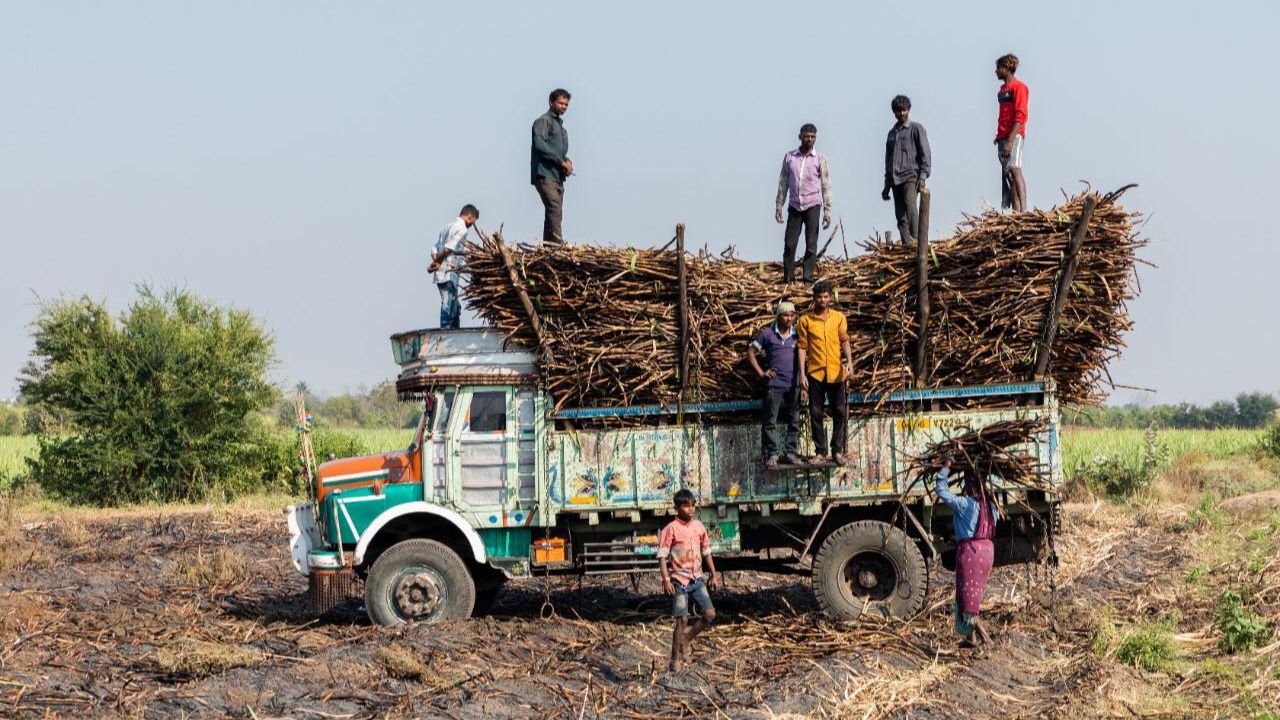
According to figures cited by farmers, sugarcane production per acre has fallen from around 34 tonnes in 2021 to about 24 tonnes in 2026. Gujarat’s overall production has reportedly declined from around 11 million tonnes to nearly 6.6 million tonnes, while South Gujarat’s output has fallen from about 11 lakh tonnes to around seven lakh tonnes.
Farmers attribute the decline to several factors, including rapid urbanisation, industrial expansion, highway development, soil erosion, excessive rainfall and whitefly infestation.
Maharashtra-style price pressure in Gujarat
Delad said the government fixed the minimum selling price of sugar at ₹29 per kg in 2014 and raised it to ₹31 in 2021. However, it has not been revised since then.
“Sugar production costs have increased substantially, while retail sugar prices are now around ₹75 to ₹80 per kg. The minimum selling price should be increased to at least ₹50 per kg,” Delad said.
He said such a revision would help sugar mills remain financially viable and ensure that farmers and cooperative societies receive a fair share of the market benefit.
Sugar belt shrinking
The rapid expansion of Surat and other urban and industrial areas is reducing agricultural land in the traditional sugar belt. Farmers also point to excessive rainfall and soil erosion as growing threats.
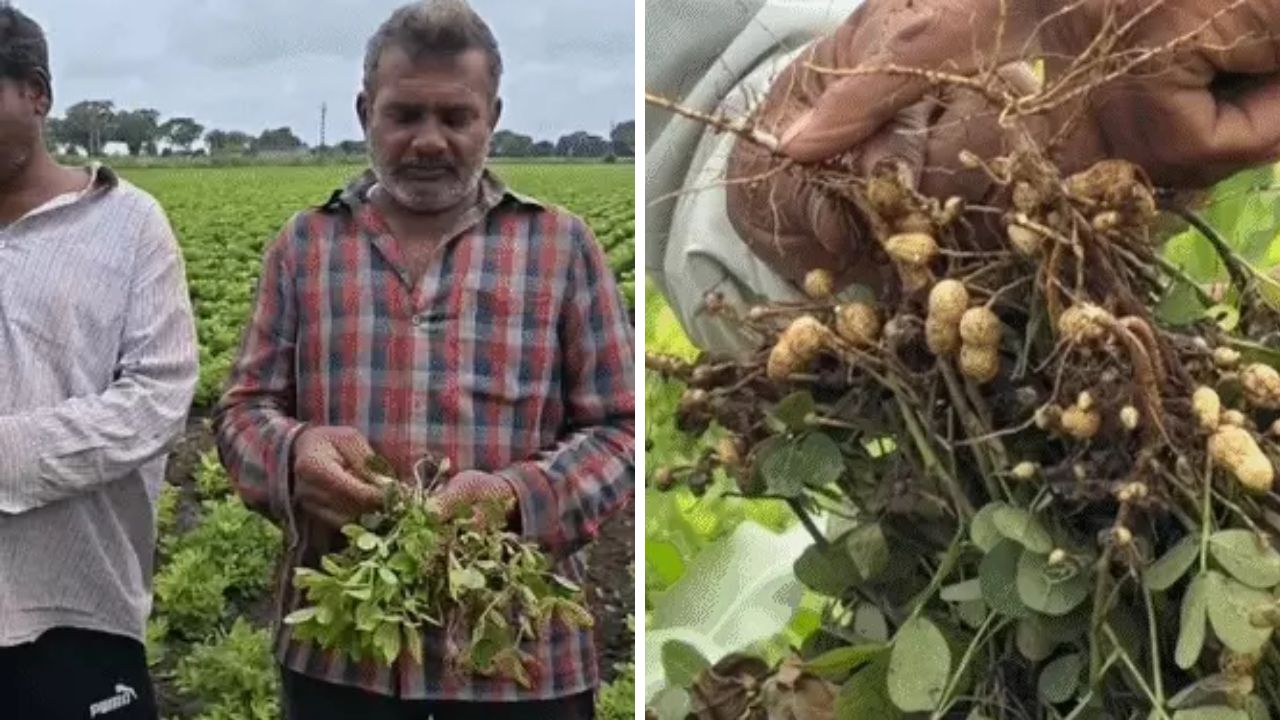
Whitefly infestation has further affected crop quality and productivity. Farmers say late planting, sugarcane burning and changing weather conditions have aggravated the problem.
The crisis is also affecting mills. Delad said Olpad Kantha Sugar and Mandvi Sugar have shut operations, while Vyara Sugar and Watariya Ganesh Sugar are facing financial difficulties. Other cooperative mills, including Valsad Sugar, are also battling rising costs and management challenges.
With sugar prices rising but sugarcane availability falling, farmers warn that South Gujarat’s sugar industry needs policy support, better crop management and protection of agricultural land to remain sustainable.