






IITGN Study Finds Nitrogen Key to Cutting Farm Pollution
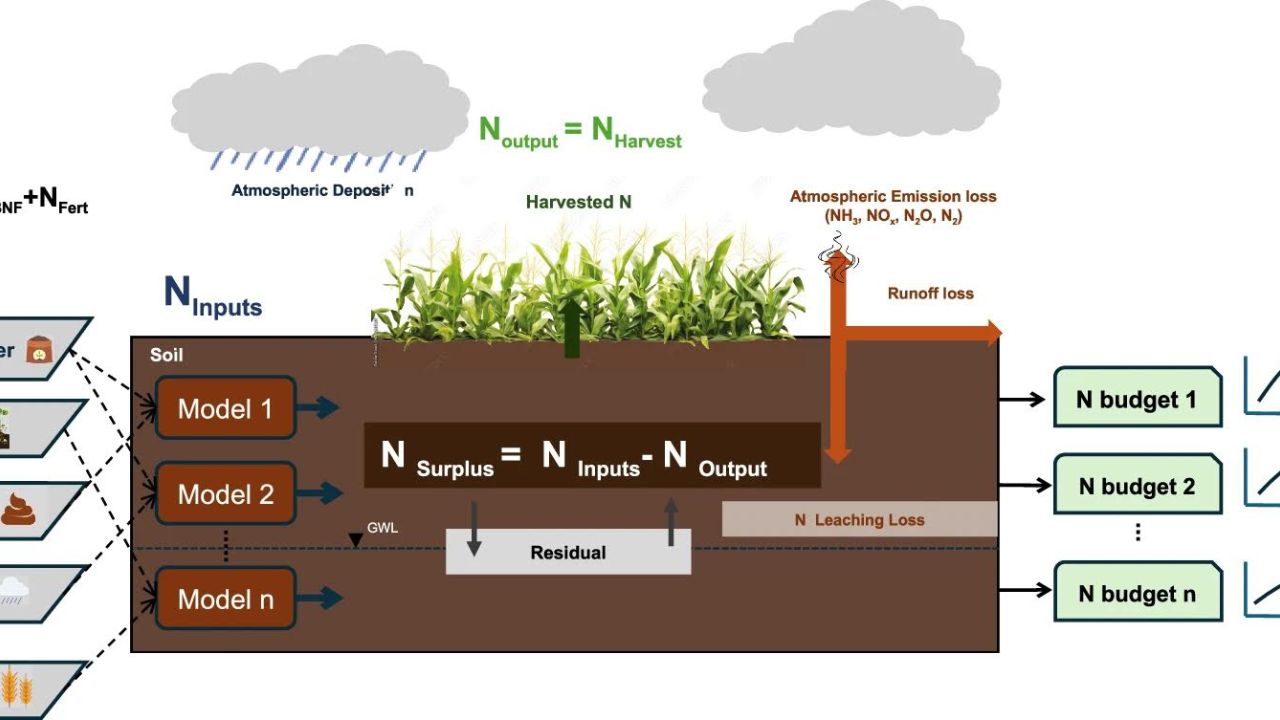
GANDHINAGAR: India’s battle against fertiliser pollution and groundwater depletion may have a common solution: put nitrogen surplus at the centre of agricultural planning. A new study by researchers...

GANDHINAGAR: India’s battle against fertiliser pollution and groundwater depletion may have a common solution: put nitrogen surplus at the centre of agricultural planning. A new study by researchers from IIT Gandhinagar and Germany’s Helmholtz Centre for Environmental Research (UFZ) suggests that changing where major cereals are grown could deliver major environmental gains without compromising food production.
Published in Nature Communications, the study estimates that a nitrogen-focused cropping strategy could reduce agricultural water use by 18.6%, saving around 86.8 billion cubic metres of water annually. It could also avert environmental damage estimated at nearly ₹10,000 crore a year.
“Indian agriculture pulls two emergency levers at the same time, too much fertiliser and too much groundwater. We have been trying to fix this one at a time,” said Prof Udit Bhatia of IIT Gandhinagar. “When we optimise for nitrogen surplus, water savings follow on their own.”
The research team—Dr Shekhar Sharan Goyal and Prof Bhatia from IITGN and Dr Rohini Kumar of UFZ—modelled cereal cultivation across 664 districts, covering rice, wheat, maize, sorghum, pearl millet and finger millet.
Under the proposed restructuring, rice acreage could fall by 8.8% and wheat by 12.1%, with maize and traditional millets gaining share. The model maintained state-level calorie production and farm returns while restricting crop expansion to areas with a documented cultivation history.
The strategy could reduce agricultural greenhouse gas emissions by 8.7%, nitrogen fertiliser pollution by 13.4% and nitrogen leaching by 11.3%.
The researchers stressed that the study does not advocate abandoning rice or wheat. Instead, it recommends growing the right crop in suitable regions while strengthening procurement, storage, markets and price support for millets.
Dr Goyal called the findings a modelling exercise rather than an implementation plan, but said it demonstrates why “nitrogen surplus deserves a more central place” in India’s sustainable agriculture strategy.