







Independent Power Producers and Their Public Listings: Auction-Based Tariffs, Capacity Utilization, and Tracking Live Demand
An explainer on how independent power producers operate, bid for projects, manage CUF, and face grid evacuation risks in India.
Independent power producers occupy a fast-growing niche within India’s renewable energy landscape, and rising interest in the Juniper Green IPO reflects how this business model differs from both traditional utilities and conventional industrial manufacturers. Understanding how independent power producers actually generate and sell electricity helps investors form a more grounded view before evaluating any offering in this space.
What Defines an Independent Power Producer
Unlike vertically integrated utilities that generate, transmit, and distribute power, independent power producers focus specifically on electricity generation, selling output through contractual arrangements.
Key structural elements include:
- Generation-only business focus, without direct involvement in transmission or distribution
- Competitive bidding participation, securing projects through tariff-based auctions
- Diversified buyer relationships, spanning state utilities, corporate clients, and open access consumers
- Asset-heavy balance sheets, reflecting substantial investment in generation infrastructure
This focused business model allows independent power producers to specialize deeply in project execution and generation efficiency rather than managing the broader complexity of full utility operations.
Understanding the Competitive Bidding Process
Most utility-scale renewable projects in India get awarded through structured auction mechanisms, and understanding this process reveals how revenue visibility gets established:
- Auction participation strategy, involving competitive tariff bidding for project allocation
- Tariff discovery, where the lowest reasonable bid typically secures project rights
- Power sale agreement execution, following successful auction outcomes
- Project commissioning timelines, with penalties often applying for delays
Companies with strong auction win rates and disciplined bidding strategies generally build more sustainable project pipelines than those chasing capacity growth through aggressive, thin-margin tariff commitments.
Capacity Utilization Factor as a Performance Indicator
Beyond installed capacity figures, the capacity utilization factor reveals how efficiently renewable assets actually perform relative to their theoretical maximum output.
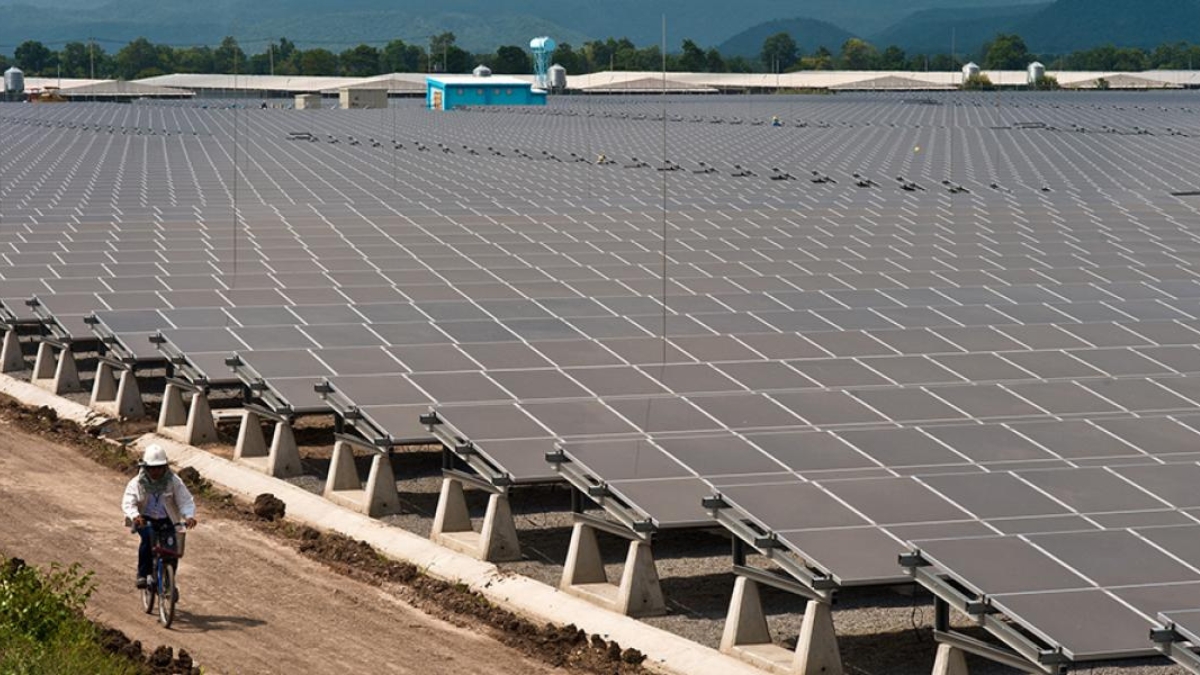
- Solar capacity utilization, typically ranging based on regional irradiation levels
- Wind capacity utilization, varying considerably based on site-specific wind patterns
- Seasonal variation patterns, affecting quarter-to-quarter generation consistency
- Technology and maintenance quality, influencing actual versus projected output
Projects consistently achieving utilization factors at or above initial projections generally indicate strong site selection and operational management compared to those persistently underperforming original estimates.
The Emergence of Hybrid and Round-the-Clock Projects
The renewable energy sector has evolved beyond standalone solar or wind installations toward more sophisticated hybrid models designed to address intermittency challenges.
- Solar-wind hybrid projects, combining complementary generation profiles for steadier output
- Battery storage integration, enabling power delivery during non-generation hours
- Round-the-clock power supply contracts, requiring firm capacity commitments
- Grid stability contribution, increasingly valued as renewable penetration grows
Companies successfully executing hybrid and storage-integrated projects often command premium tariffs compared to standalone intermittent generation, reflecting the added grid value these configurations provide.
Financial Discipline in Capital-Intensive Expansion
Independent power producers require substantial upfront capital for each project, making financial discipline a genuinely important evaluation factor.
- Project-level financing structures, isolating debt exposure across individual assets
- Equity IRR expectations, benchmarked against project risk and tenure
- Refinancing capability, optimizing capital costs as projects mature and de-risk
- Balance sheet leverage, relative to total contracted revenue visibility
Companies balancing aggressive capacity growth with disciplined capital structuring generally navigate industry cycles more successfully than those over-leveraging to chase expansion targets.
Tracking Real-Time Demand Before Allotment
Once a renewable energy offering opens for public bidding, investor interest often builds progressively across the subscription window rather than concentrating entirely on a single day. Understanding this demand trajectory helps market participants gauge broader sentiment before the offering closes and allotment calculations begin.
Monitoring Subscription Levels Throughout Bidding
Investors interested in tracking live demand can review the IPO Subscription Status, which typically updates throughout each day of the bidding period across retail, institutional, and other investor categories. It’s worth noting that early-stage subscription figures don’t always predict final outcomes accurately, since many offerings experience meaningful demand surges specifically during the closing day, sometimes shifting overall subscription levels considerably from where they stood just a day earlier.
Interpreting Sector-Specific Subscription Patterns
Renewable energy offerings sometimes show subscription patterns distinct from other sectors, worth understanding in context.
- Institutional interest levels, often reflecting confidence in long-term policy tailwinds
- Retail participation trends, influenced by broader public enthusiasm for clean energy themes
- Comparison against recent renewable sector offerings, providing useful benchmarking context
- Anchor investor commitments, signaling early institutional confidence ahead of public bidding
Strong subscription levels generally indicate healthy market interest, though sustainable long-term performance ultimately depends on project execution quality rather than listing-day demand alone.
Grid Infrastructure and Evacuation Capacity Risks
Beyond generation capability, renewable energy companies face a distinct risk category tied to grid infrastructure availability.
- Transmission evacuation capacity, determining whether generated power can actually reach buyers
- Grid connectivity delays, potentially affecting project commissioning timelines
- Curtailment risk, where generated power may go unused due to grid constraints
- State-wise transmission infrastructure quality, varying considerably across regions
Companies with projects located in regions boasting robust transmission infrastructure generally face fewer operational disruptions compared to those in areas where grid capacity struggles to keep pace with renewable capacity additions across the broader industry.