








U.S. Conducts 11th Consecutive Night of Airstrikes on Iran as Regional Tensions Escalate
The United States has carried out its 11th consecutive night of military strikes on targets inside Iran, further intensifying tensions across the Middle East as diplomatic efforts to restore a...

The United States has carried out its 11th consecutive night of military strikes on targets inside Iran, further intensifying tensions across the Middle East as diplomatic efforts to restore a ceasefire remain stalled.
According to U.S. Central Command (CENTCOM), the latest operations targeted aircraft hangars, drone storage facilities, and other military infrastructure. The strikes come as both Washington and Tehran continue to exchange military actions despite ongoing international calls for de-escalation.
Diplomatic Efforts Face Challenges
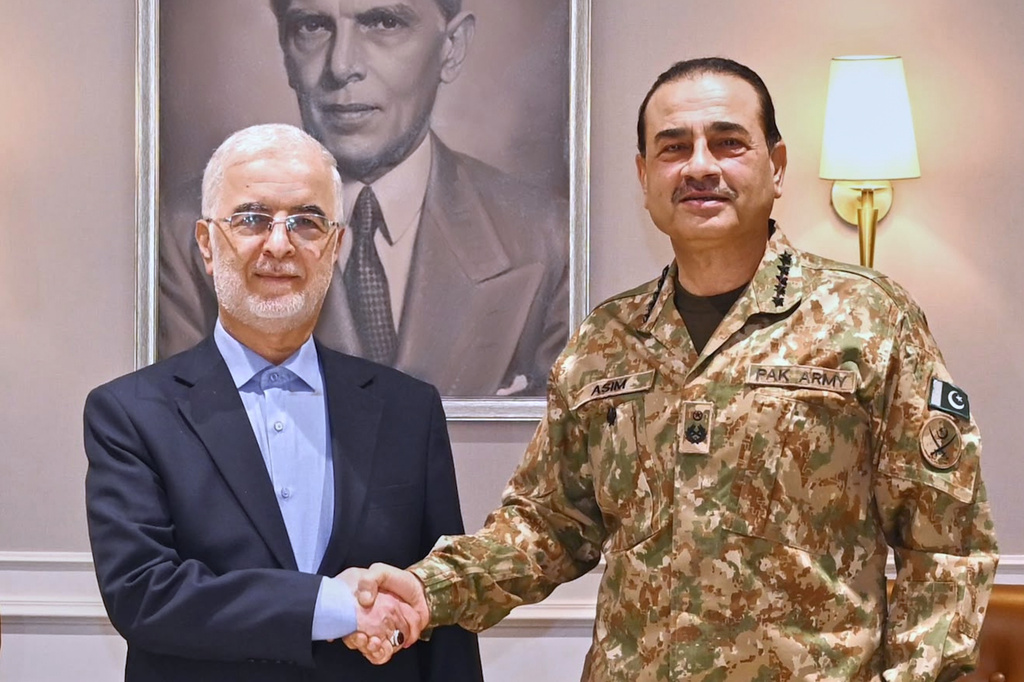
Iranian Interior Minister Eskandar Momeni visited Pakistan, which has served as a mediator between the two countries, in an effort to revive diplomatic negotiations.
Pakistan’s leadership urged all parties to exercise restraint and return to dialogue, emphasizing the need to prevent further instability in the region. However, no breakthrough has been announced, and negotiations remain uncertain.
U.S. Signals Continued Military Pressure
U.S. President Donald Trump indicated that military operations could expand further, stating that the United States has little interest in resuming talks until Iran is prepared for what he described as meaningful negotiations.
The remarks suggest Washington intends to maintain military pressure while diplomatic efforts remain at an impasse.
Strait of Hormuz Remains a Flashpoint
The conflict continues to center on the Strait of Hormuz, one of the world’s most important energy shipping routes.
The strategic waterway normally carries a significant share of global crude oil and liquefied natural gas exports. Continued military activity in the region has disrupted commercial shipping and raised concerns over global energy supplies.
Recent reports indicate attacks on commercial vessels and increased military operations around the strait, contributing to heightened security risks for international shipping.
Oil Prices Continue to Rise
Escalating tensions have affected global energy markets.
International crude oil prices have climbed above $92 per barrel, while fuel prices have also increased in several countries as traders monitor developments in the Gulf.
Energy analysts warn that prolonged disruptions to shipping routes could place additional pressure on global supply chains and inflation.
Expanding Regional Conflict
The conflict has widened beyond Iran and the Gulf.
Iran-backed Houthi forces in Yemen have reportedly announced actions targeting maritime traffic in the Red Sea, raising concerns about another critical international shipping corridor.
The situation has increased security challenges across multiple waterways that are vital for global trade.
Casualties and Military Impact
According to U.S. officials, the number of American military personnel wounded during the conflict has continued to rise, with reports indicating that more than 500 service members have been injured since hostilities intensified.
Military officials note that casualty reporting continues to be updated as additional information becomes available.
Uncertain Path Forward
Despite continued diplomatic engagement by regional partners, there is currently no indication of an immediate breakthrough between Washington and Tehran.
As military operations continue and regional tensions remain high, governments around the world are closely monitoring developments due to their potential impact on global security, energy markets, and international trade.