







NVIDIA Showcases DLSS 5 Advancements at SIGGRAPH 2026 Ahead of Fall Launch
NVIDIA has shared fresh details about DLSS 5 during SIGGRAPH 2026, highlighting major improvements to its next-generation neural rendering technology. The latest demonstration focused on enhanced...

NVIDIA has shared fresh details about DLSS 5 during SIGGRAPH 2026, highlighting major improvements to its next-generation neural rendering technology. The latest demonstration focused on enhanced image quality, greater artistic control for developers, faster rendering performance, and more efficient real-time AI processing.
The company says DLSS 5 is designed to improve visual realism while preserving the original artistic style of games.
Three AI Models for Different Workloads
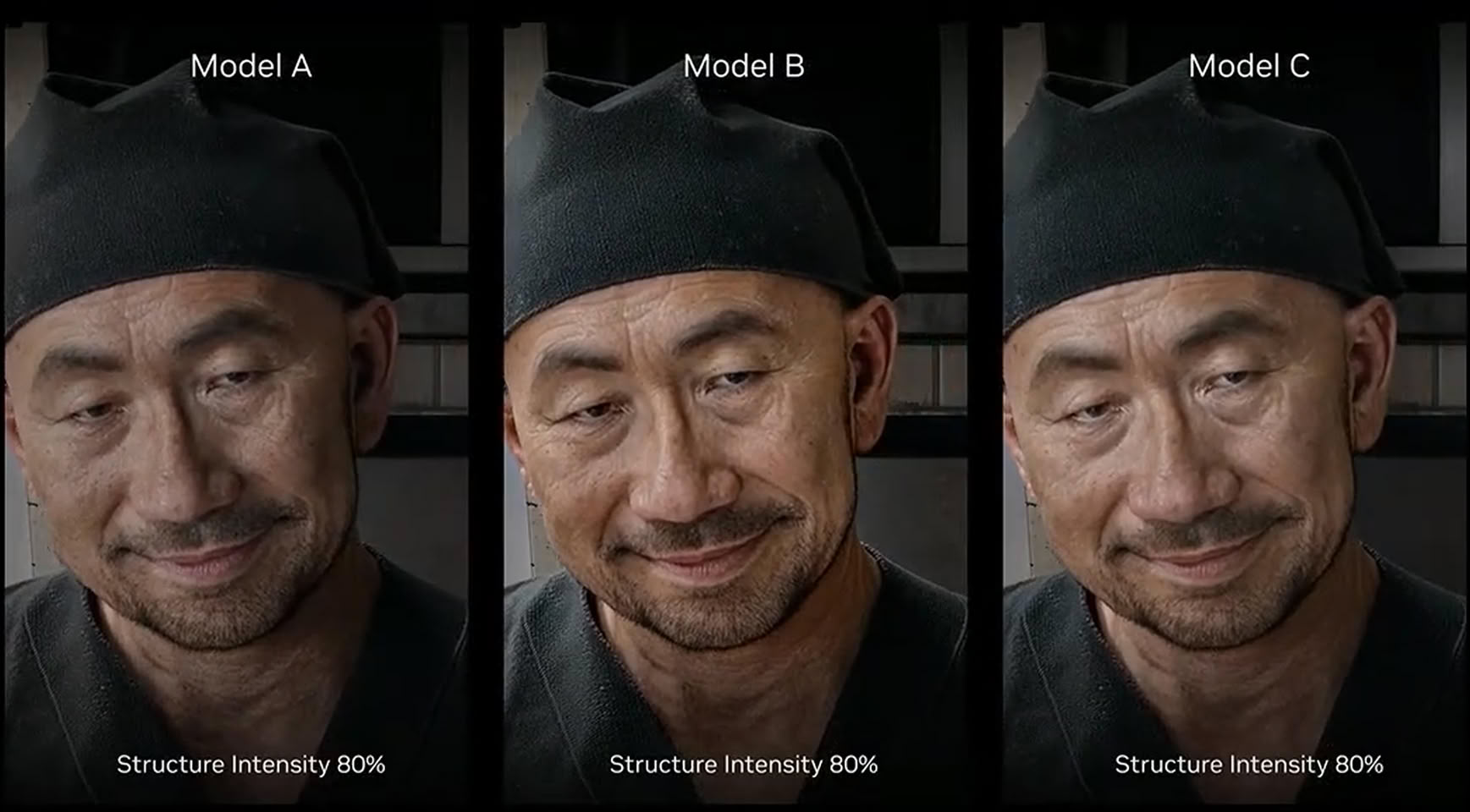
One of the biggest additions in DLSS 5 is support for three selectable AI rendering models, allowing developers to choose the level of enhancement best suited for different scenes.
The models offer varying levels of:
- Texture enhancement
- Global illumination improvements
- Structural detail
- Material realism
- Computational complexity
Developers can switch between these models or combine them across different scenes and characters to achieve their desired visual results.
Improved Artistic Control
Following criticism of earlier demonstrations, NVIDIA emphasized that DLSS 5 now gives developers significantly more control over how AI-generated enhancements are applied.
According to the company, developers can customize rendering parameters for individual:
- Characters
- Objects
- Environments
- Lighting
- Materials
- Visual styles
This approach aims to preserve each game’s original artistic direction while using AI to enhance image quality.
Faster Real-Time Processing
Unlike traditional AI video generation systems that create frames in batches, DLSS 5 performs rendering frame by frame in real time.
By utilizing motion vectors directly from the game engine, NVIDIA says DLSS 5 can:
- Generate visual enhancements with minimal delay
- Reduce shimmering artifacts
- Improve texture consistency
- Maintain smoother image stability during gameplay
The company believes this approach provides more responsive performance for interactive gaming.
Designed for 4K Gaming
NVIDIA stated that DLSS 5 is capable of processing 4K gameplay at over 60 frames per second while completing rendering operations within approximately 16 milliseconds per frame.
Most of the rendering workload continues to come from the game engine itself, while the AI model handles image enhancement with relatively low overhead.
The company also highlighted improved VRAM efficiency, although official hardware requirements have not yet been announced.
Launch Expected Later This Year
NVIDIA plans to release DLSS 5 during the fall of 2026, with additional technical information and compatibility details expected closer to launch.
The company has not confirmed which graphics cards will support the technology or whether certain advanced features will require its newest GPU architectures.
Community Reaction Remains Mixed
The latest demonstration has generated a wide range of reactions within the PC gaming community.
Some users welcomed NVIDIA’s efforts to improve image quality while preserving artistic intent, viewing the updated approach as a meaningful refinement over earlier demonstrations.
Others remain cautious, questioning potential hardware requirements, performance overhead, and whether the visual improvements justify the additional AI processing.
Looking Ahead
DLSS has evolved from an AI upscaling solution into a broader neural rendering platform that now includes technologies such as Super Resolution, Ray Reconstruction, Frame Generation, and upcoming AI-based visual enhancement features.
As NVIDIA prepares for the official launch of DLSS 5 later this year, developers and gamers will be watching closely to see how the technology performs in real-world games and how widely it is adopted across future PC titles.