







95-foot building limits Daman airport runway use to 1601 metres
DAMAN :Despite having an 1801-metre-long runway, Daman’s Namo Airport is currently operating with only 1601 metres of usable runway because a 95-foot-high building has emerged as a major obstacle in...

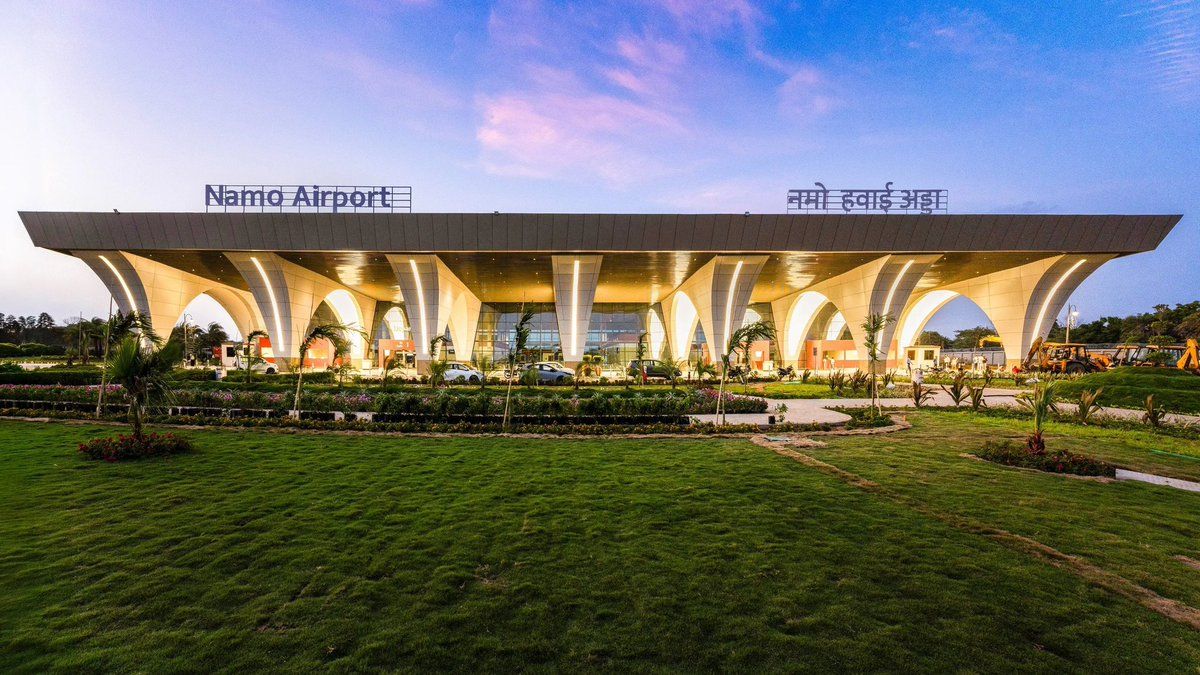
DAMAN :Despite having an 1801-metre-long runway, Daman’s Namo Airport is currently operating with only 1601 metres of usable runway because a 95-foot-high building has emerged as a major obstacle in the aircraft landing path. The development has raised serious concerns over aviation safety and the future expansion of air connectivity in the region.
The obstacle is located in the approach direction of Runway-03, forcing authorities to shift the runway threshold by 200 metres as a safety measure. As a result, airlines face operational restrictions, making it difficult for larger aircraft to operate at full capacity.
Under the UDAN scheme, direct flights between Daman and Delhi began from Namo Airport on July 16. However, the current runway limitation means only smaller regional aircraft with around 46 to 76 seats can operate efficiently.
Aviation experts said the removal of the obstruction could immediately make the entire 1801-metre runway available for landing without waiting for major expansion work.
“A runway is useful only when the surrounding airspace is safe and obstacle-free. Removing critical obstructions is essential for improving aircraft operations,” aviation experts said.
Official airport data indicates that several other structures around Daman Airport, including tall buildings, industrial chimneys, towers and a 381-foot-high hill, fall within the obstacle limitation zone.
Due to these restrictions, airlines remain cautious about introducing larger aircraft. Poor weather conditions could also increase the risk of flight diversions.
The administration is currently working on a plan to expand the runway to 2200 metres through land acquisition. Once completed, aircraft such as Airbus A320 and Boeing 737 with 180 to 240 seats could operate from Daman without major restrictions.
The expansion could open direct connectivity to major cities like Delhi, Bengaluru and Hyderabad. It may also create opportunities for international routes, including Dubai and Bangkok, along with air cargo facilities benefiting industrial hubs such as Vapi, Daman, Silvassa and Umargam.
Experts have warned that strict planning is required to avoid a situation similar to Surat Airport, where runway expansion has faced challenges due to surrounding high-rise structures.
Authorities have stressed the need for strict implementation of the No Objection Certificate Application System (NOCAS) for all constructions within 20 kilometres of the airport. Future high-rise developments near flight paths must be regulated to ensure long-term aviation safety.
Daman’s Namo Airport is facing a major aviation challenge as a 95-foot-high building has reduced the effective landing length of its runway by 200 metres. Although the airport has an 1801-metre-long runway, only 1601 metres is currently available for aircraft landing due to safety restrictions.
The building, located in the approach path of Runway-03, has forced authorities to shift the runway threshold. Aviation experts warn that such obstacles limit airline operations and prevent larger aircraft from using the airport at full capacity.
The issue has gained attention after direct flights between Daman and Delhi started under the UDAN scheme from July 16. At present, only smaller regional aircraft can operate comfortably from the airport.
“A runway’s efficiency depends not only on its length but also on a safe approach path. Removing obstacles is essential for future growth,” aviation experts said.
According to airport records, several other structures, including tall buildings, industrial chimneys, towers and natural elevations, also pose challenges around the airport area.
The administration is now working on expanding the runway to 2200 metres through land acquisition. Once completed, larger aircraft such as Airbus A320 and Boeing 737 could operate from Daman, improving connectivity with cities like Delhi, Bengaluru and Hyderabad.
The expansion could also boost international connectivity, charter flights and air cargo operations benefiting industrial regions such as Vapi, Daman, Silvassa and Umargam.
Experts have advised strict implementation of the No Objection Certificate Application System (NOCAS) for all construction activities within the airport’s influence zone. Authorities must ensure that future high-rise buildings do not create aviation hazards.