







Skin Diseases Emerge as New Threat After Surat Floods
SURAT : As Surat slowly recovers from last week’s devastating floods, a fresh health crisis is unfolding across the city’s low-lying areas. While floodwaters have receded and normal life...

SURAT : As Surat slowly recovers from last week’s devastating floods, a fresh health crisis is unfolding across the city’s low-lying areas. While floodwaters have receded and normal life is gradually returning, health officials are now battling a sharp rise in skin diseases and water-borne illnesses, raising fears of a post-flood epidemic.
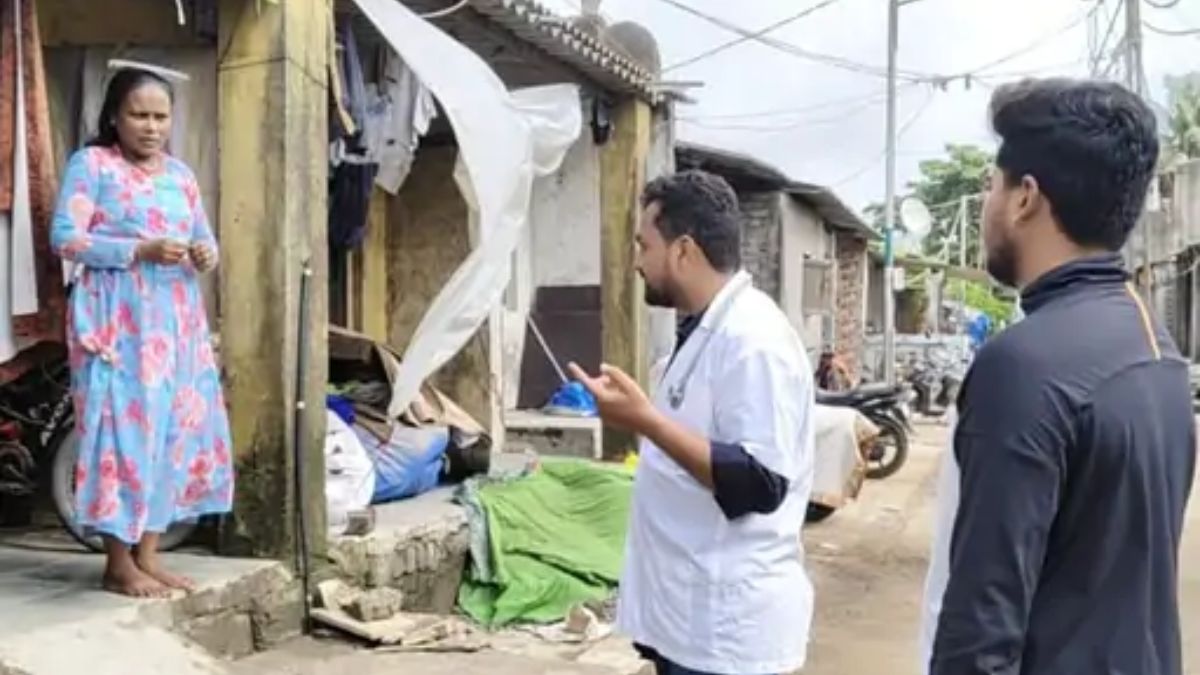
Following instructions from Deputy Chief Minister Harsh Sanghavi during his visit to the flood-hit areas, the Surat Municipal Corporation (SMC) launched an emergency health response by setting up 15 medical camps across the city.
So far, 3,950 people have received treatment at these camps, with the highest number of patients suffering from skin-related infections caused by prolonged exposure to contaminated floodwater.
A senior health official said, “Our priority is to prevent any outbreak of disease. Medical teams are conducting continuous surveillance, and residents are being advised to seek treatment immediately if symptoms appear.”
According to SMC data, 825 cases of skin diseases have been reported, followed by 402 cases of acute respiratory infections (ARI), 357 fever cases, 264 cases of diarrhoea and 82 cases of diarrhoea with vomiting. Fourteen patients with serious health conditions have been referred to hospitals for advanced treatment.
The medical camps have been established in Udhna (5), Limbayat (4), Varachha (3), Sarthana (2) and Athwa (1) zones. Health teams are carrying out intensive surveillance in Udhna and Limbayat, where creek water had entered residential areas.
Meanwhile, around 4,100 flood-affected residents who had taken shelter in 21 relief camps have now returned to their homes after floodwaters receded.
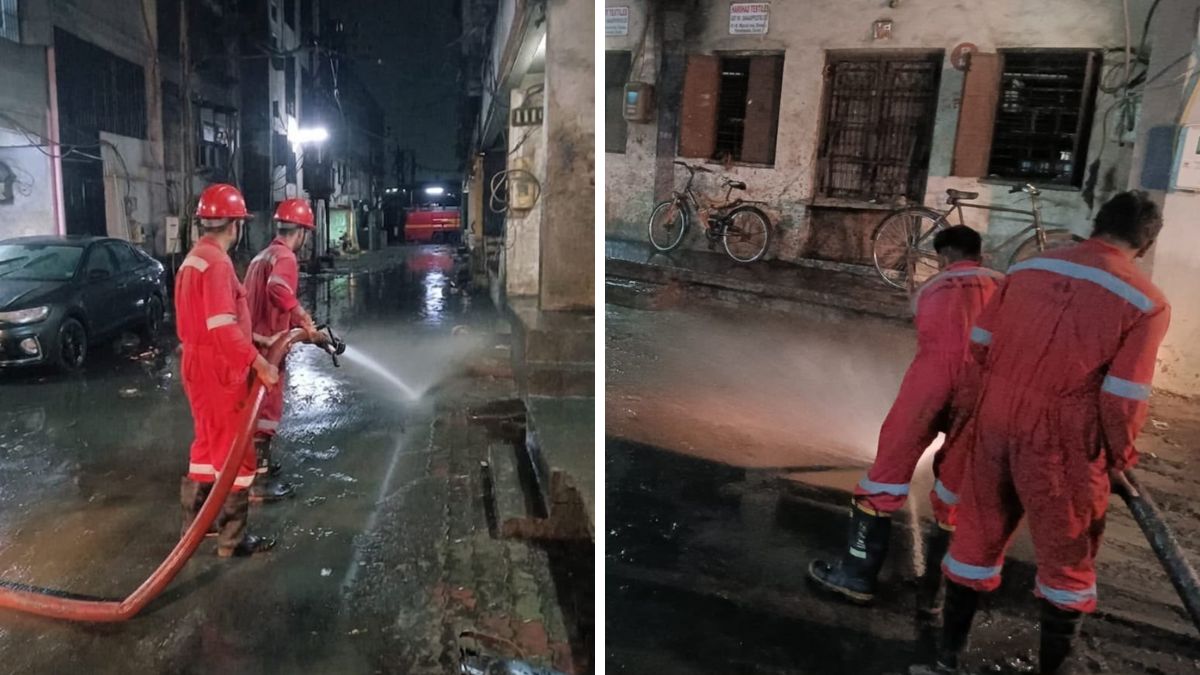
To prevent the spread of disease, SMC has intensified sanitation efforts in 212 flood-affected housing societies. The civic body initially deployed 768 vehicles, including robots, trucks and tractors, to remove mud and debris. As conditions improved, 260 vehicles remain in operation.
Medical deployment has also been streamlined from 490 teams to 202, which continue to monitor affected localities.
Officials have urged residents to maintain hygiene, avoid contact with contaminated water and report symptoms early to prevent the spread of infection.