




Surat Scientists Turn Plastic Waste into Flood Protection
SURAT : Surat has delivered an innovation that could transform the way India fights river erosion and flooding. Scientists from The Man-Made Textiles Research Association (MANTRA), in collaboration...

SURAT : Surat has delivered an innovation that could transform the way India fights river erosion and flooding. Scientists from The Man-Made Textiles Research Association (MANTRA), in collaboration with IIT Bhubaneswar, have successfully developed a Sustainable Novel Ready-Made Embankment using recycled plastic bottles, offering an eco-friendly and cost-effective alternative to conventional riverbank protection systems.
The pioneering project was proposed by Dr Maiti of MANTRA during 2022-23 and received approval from the Science and Engineering Research Board (SERB) under the Department of Science and Technology in 2024. Backed by ₹43 lakh in funding with support from the Ministry of Textiles, the project has now produced highly encouraging results after two years of research.
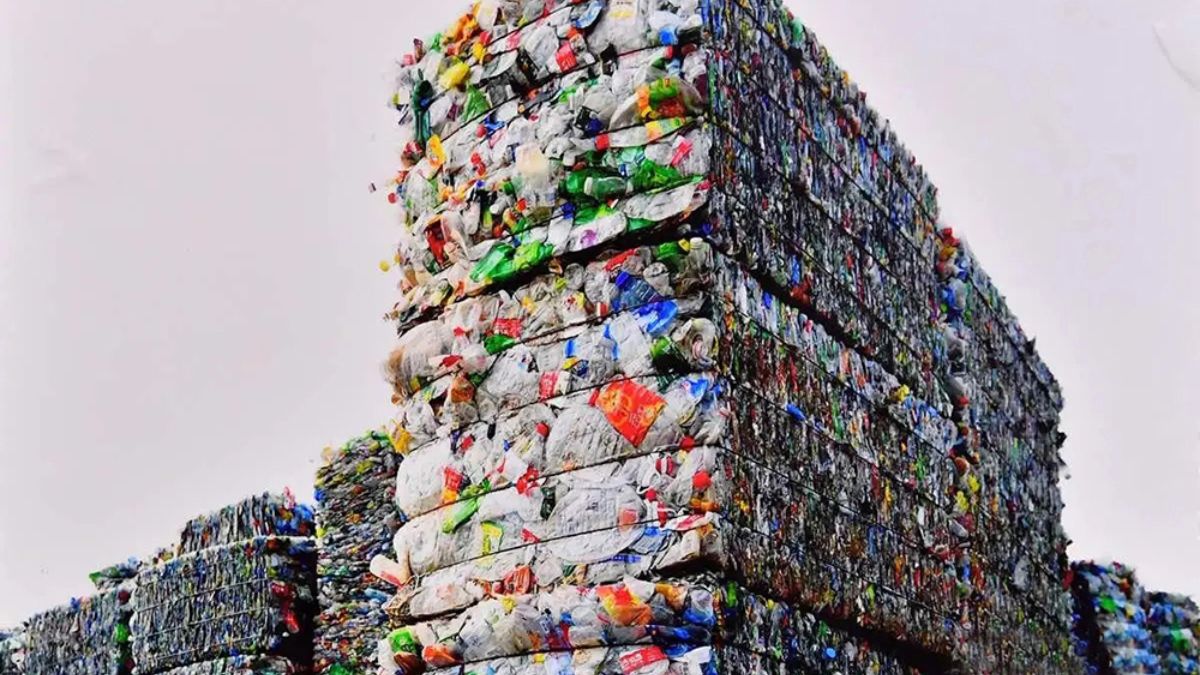
The innovation begins with discarded plastic bottles, which are converted into high-quality polyester staple fibres by Surat-based Alliance Fiber. Using MANTRA’s advanced Needle Punch Nonwoven Production Line, the fibres are transformed into durable geotextile fabric. The prototype was successfully tested at IIT Bhubaneswar under the technical guidance of Dr Patra.
“This technology converts plastic waste into a durable solution for protecting riverbanks while supporting environmental sustainability,” the project team said.
The specially designed geobags made from the fabric are filled with soil or sand to build ready-made embankments. These structures are quicker to install, more economical than stone or concrete barriers, and offer excellent water filtration to prevent soil erosion. Natural vegetation can also grow around the geobags, allowing them to blend seamlessly with the environment.
Dr Pankaj Gandhi, Director and Scientist at MANTRA, played a key role in integrating textile engineering with civil engineering expertise.
“The technology matches international standards seen in countries like the Netherlands, the UK and Japan and can also protect desert and semi-arid regions such as Kutch, Rajasthan and Saurashtra from erosion caused by wind and flash floods,” the team said.