







Featured
Ahmedabad student studies in tent 94 percent SSC result, the blunt times
House Demolished, But Not Dreams: Ahmedabad Girl Scores 94% in SSC
Surat cow Rashtramata campaign, the blunt times
Surat Textile Traders Launch Blood Letter Campaign Demanding Cow Be Declared ‘Rashtramata’
Interfaith marriage Gujarat High Court protest, the blunt times
Interfaith Marriage Registration Postponed Amid VHP Protest at Gujarat Court
May 7, 2026
The Blunt Times The Blunt Times
  • National
  • City Events
  • Business Vibes
  • Education
  • Entertainment
  • Regional
    • Bharuch
    • Dang
    • Navsari
    • Surat
    • Valsad
    • Hindi
    • Gujarati
  • Health
  • Crime corner
  • Sports
  • Spotlight
Search the Site
Popular Searches:
Chatgpt Nasa Halloween
Recent Posts
27 Years, 150 Plus Companies, No Layoffs, Multiplying Cash Velocity — Meet India’s Most Unusual Consultant Ravi Gilani-TBT
27 Years, 150 Plus Companies, No Layoffs, Multiplying Cash Velocity — Meet India’s Most Unusual Consultant Ravi Gilani
May 7, 2026
IMTS
IMTS Institute Launches WILP Course Counselling: Transforming Work-Integrated Learning for Working Professionals in India
May 7, 2026
Elite Himmatnagar
Pride Hotels Limited Unveils Pride Elite Himmatnagar: A 51-Room Hotel with Premier Dining, Banquet Spaces & Amenities for all travellers
May 7, 2026
The Blunt Times The Blunt Times
  • National
  • City Events
  • Business Vibes
  • Education
  • Entertainment
  • Regional
    • Bharuch
    • Dang
    • Navsari
    • Surat
    • Valsad
    • Hindi
    • Gujarati
  • Health
  • Crime corner
  • Sports
  • Spotlight
Follow us
Energy
Home/Lifestyle/Powering Movement: How Energy Planning Is Shaping the Future of Indian Logistics
Lifestyle

Powering Movement: How Energy Planning Is Shaping the Future of Indian Logistics

Rahul Kanuganti approaches freight as energy system requiring charging infrastructure planning, route predictability for electric heavy-duty vehicle deployment.

TBT Online Desk
May 7, 2026 5 Min Read

Rahul Kanuganti, Co-Founder and CEO of Flytta Green

Table Of Content

  • Looking Beyond Transport Efficiency
  • Freight as an Energy System
  • Integrating Energy Planning into Logistics
  • Connecting Energy Security to Logistics
  • Operational Realities and Industrial Use Cases
  • Technology as an Enabler
  • A Shift Toward Long-Term Resilience
  • Rethinking the Future of Logistics
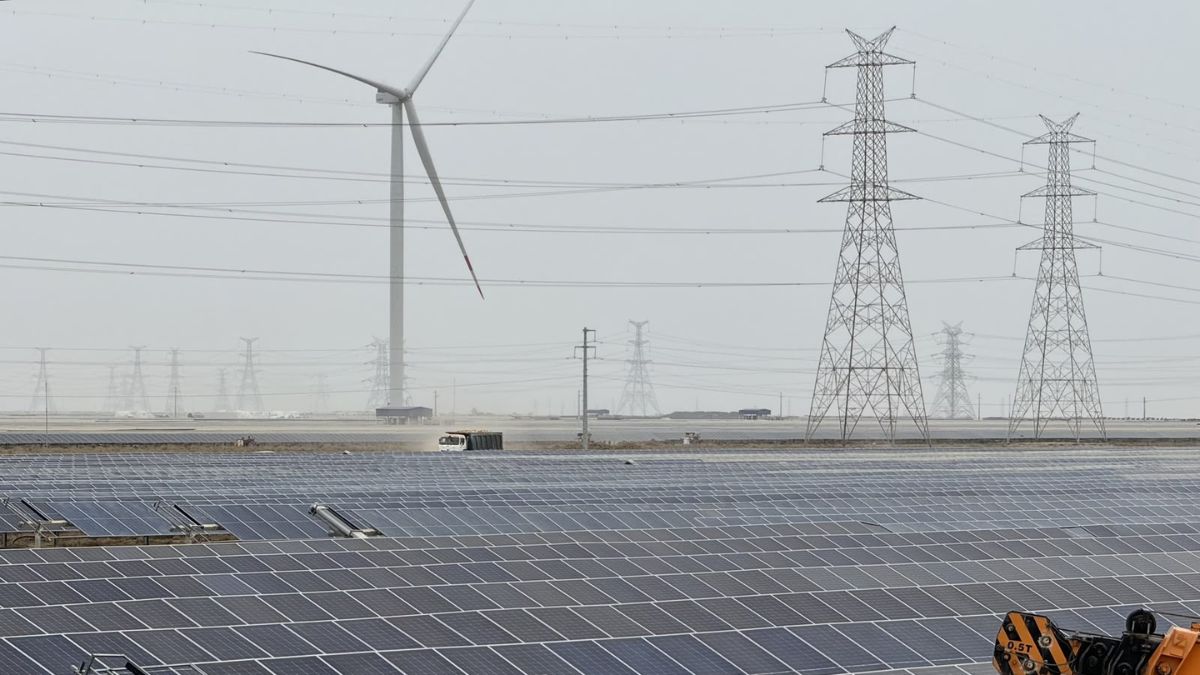
Hyderabad (Telangana) [India], May 5: India’s logistics sector has traditionally been viewed through the lens of transport efficiency. The focus has been on moving goods faster, reducing turnaround times, and improving connectivity between industrial hubs. While these factors remain important, a deeper shift is beginning to take shape. Logistics is no longer just about movement. It is increasingly about how that movement is powered. This is where energy planning enters the conversation. As freight volumes grow and industries expand, the energy required to move goods becomes a critical factor. Diesel has long been the default fuel for heavy-duty logistics, but its limitations are becoming more visible. Price volatility, import dependence, and environmental concerns are forcing a reassessment of how energy is used in transport. Among those working at this intersection of logistics and energy is Rahul Kanuganti, who approaches freight not just as a transport problem but as an energy system that must be planned, managed, and optimised.


Looking Beyond Transport Efficiency

For decades, logistics improvements have been measured in terms of speed and cost. Faster deliveries and lower freight rates have been the primary benchmarks. However, these improvements often operate within the same underlying framework, one that depends heavily on fossil fuels. Rahul Kanuganti’s approach shifts the focus toward long-term sustainability and resilience. Instead of asking how goods can move faster, the question becomes how they can move in a way that is less exposed to fuel volatility and better aligned with domestic energy resources. This perspective changes the role of logistics. It becomes part of a broader economic system where energy, infrastructure, and supply chains are interconnected. Decisions about fleet deployment, route design, and operational planning are no longer isolated from energy considerations.

Freight as an Energy System

Heavy-duty logistics consumes a significant amount of energy because of the scale and intensity of operations. Trucks operate long hours, carry large loads, and form the backbone of industrial supply chains. This makes freight one of the most energy-intensive parts of the economy. Viewing logistics as an energy system brings new priorities into focus. It highlights the need to manage energy consumption more efficiently, reduce dependence on imported fuels, and explore alternatives that can be integrated into existing operations. Electric mobility plays a role in this shift, but it is not treated as a standalone solution. Instead, it becomes part of a larger framework that includes energy sourcing, charging infrastructure, and operational planning.

Integrating Energy Planning into Logistics

Energy planning in logistics involves understanding how, when, and where energy is consumed. In traditional diesel-based systems, fuel is purchased as needed, and consumption is often treated as a variable cost. Electric systems require a different approach. Charging infrastructure must be aligned with routes and schedules. Power availability must be assessed in advance. Energy consumption must be monitored and managed to ensure that vehicles operate without disruption. This level of planning introduces greater discipline into logistics operations. It encourages operators to think in terms of predictable routes, consistent duty cycles, and structured energy usage. Over time, this approach can improve both efficiency and reliability. Rahul Kanuganti’s work reflects this shift toward planning-driven logistics. By focusing on how energy integrates with operations, the emphasis moves from reactive management to structured execution.

Connecting Energy Security to Logistics

India’s dependence on imported fuels has long been a concern at the national level. Logistics, as a major consumer of diesel, plays a direct role in this equation. Reducing fuel dependency in freight transport contributes to broader energy security goals. Electric mobility offers one pathway by shifting energy consumption from imported fuels to domestically generated electricity. As renewable energy capacity increases, this shift becomes more significant. Freight movement powered by electricity can gradually align with cleaner and more stable energy sources. This connection between logistics and energy security is often overlooked. However, it has important implications for economic resilience. When supply chains are less exposed to global fuel price fluctuations, industries can plan more effectively and operate with greater stability.

Operational Realities and Industrial Use Cases

While the idea of integrating energy planning into logistics is compelling, its success depends on practical implementation. Industrial environments provide a useful starting point because of their structured nature. Routes in these settings are often predictable. Vehicles move between fixed points such as factories, warehouses, and ports. This predictability allows for better planning of energy usage and charging schedules. Heavy-duty electric vehicles can be deployed in such environments without disrupting operations, provided that infrastructure and planning are aligned. This approach avoids the challenges of trying to apply the same model across highly variable or unstructured routes. Rahul Kanuganti, Founder and CEO of Flytta, has worked on applying these principles within industrial logistics, focusing on integrating electric heavy-duty vehicles into controlled operating environments where reliability and planning are critical.

Technology as an Enabler

Modern logistics increasingly relies on data and digital tools. Telematics systems, sensors, and performance monitoring platforms provide real-time insights into vehicle behaviour, energy consumption, and route efficiency. These tools are particularly important in energy-driven logistics systems. They allow operators to track how energy is used, identify inefficiencies, and make adjustments to improve performance. Technology also supports predictive maintenance and fleet optimisation. By analysing data, operators can anticipate issues before they affect operations and ensure that vehicles remain in service. This integration of technology and energy planning creates a more responsive and efficient logistics system, where decisions are based on measurable data rather than assumptions.

A Shift Toward Long-Term Resilience

The transition from diesel-based logistics to energy-planned systems will not happen overnight. It requires investment, infrastructure development, and changes in operational mindset. However, the long-term benefits are becoming increasingly clear. Reduced exposure to fuel price volatility, improved environmental performance, and better alignment with national energy goals all contribute to a more resilient logistics system. For industries that depend on reliable freight movement, these factors are critical. Rahul Kanuganti’s approach reflects a broader trend within the sector. Logistics is being redefined not just as a function of movement, but as a system that connects energy, infrastructure, and industrial growth.

Rethinking the Future of Logistics

As India continues to expand its industrial base, the demand for efficient and reliable logistics will only increase. Meeting this demand requires more than incremental improvements. It requires a shift in how logistics is understood and managed. Energy planning offers a framework for this shift. By integrating energy considerations into logistics operations, it is possible to build systems that are both efficient and sustainable. The future of logistics in India will depend on how effectively this integration is achieved. Those who recognise the link between energy and movement will be better positioned to navigate the challenges ahead. In this evolving landscape, redefining logistics through energy planning is not just an innovative idea. It is a practical response to the changing needs of industry and the broader economy.

Tags:

electric freightenergy planningflytta logisticsindustrial logisticsrahul kanuganti

Share Article

Surat
Previous Post

EPR in Action: Surat Witnesses Large-Scale Clean-Up Led by Nirmal Vasundhara

Elite Himmatnagar
Next Post

Pride Hotels Limited Unveils Pride Elite Himmatnagar: A 51-Room Hotel with Premier Dining, Banquet Spaces & Amenities for all travellers

Picked
BNI Ahmedabad to host Symposium 2026, bring together 10,000+ business leaders-PNN
BNI Ahmedabad to host Symposium 2026, bring together 10,000+ business leaders
Ahmedabad student studies in tent 94 percent SSC result, the blunt times
House Demolished, But Not Dreams: Ahmedabad Girl Scores 94% in SSC
Surat cow Rashtramata campaign, the blunt times
Surat Textile Traders Launch Blood Letter Campaign Demanding Cow Be Declared ‘Rashtramata’
Interfaith marriage Gujarat High Court protest, the blunt times
Interfaith Marriage Registration Postponed Amid VHP Protest at Gujarat Court
Plant
Top Benefits of Organic Liquid Potting Mixture for Faster Plant Growth & Increase Flower Bloom
Gujarat High Court IMFL case FIR quashed, the blunt times
FIR Quashed in IMFL Case: Gujarat High Court Grants Relief to Accused
Popular Posts
Plant
Top Benefits of Organic Liquid Potting Mixture for Faster Plant Growth & Increase Flower Bloom
By TBT Online Desk
Gujarat High Court IMFL case FIR quashed, the blunt times
FIR Quashed in IMFL Case: Gujarat High Court Grants Relief to Accused
By Times News Network
Khel Mahakumbh Gujarat athletics, the blunt times
Khel Mahakumbh Boosts Gujarat Sports as 9,383 Athletes Shine on World Athletics Day
By Times News Network
Gujarat FDI inflows 2025, the blunt times
Gujarat Ranks 3rd in India for FDI Inflows, Ahmedabad Leads Investment Surge
By Times News Network
GIFT City Is Not a Tax Shelter. It Is a Tax Architecture. And the Difference Matters.-TBt
GIFT City Is Not a Tax Shelter. It Is a Tax Architecture. And the Difference Matters.
By TBT Online Desk
Akash Singh Thakur
From Forensics to Founding HALDIVA: Akash Singh Thakur on Integrity, Risk & Accountability
By TBT Online Desk

Read Next

Energy
Lifestyle
Powering Movement: How Energy Planning Is Shaping the Future of Indian Logistics
May 7, 2026
5 Min Read
GIFT City Is Not a Tax Shelter. It Is a Tax Architecture. And the Difference Matters.-TBt
Lifestyle
GIFT City Is Not a Tax Shelter. It Is a Tax Architecture. And the Difference Matters.
May 7, 2026
6 Min Read
Rohan Khatau Explains the Growing Importance of Integrated Townships in India-TBT
Lifestyle
Rohan Khatau Explains the Growing Importance of Integrated Townships in India
May 7, 2026
2 Min Read
Dome SVP Stadium and Gatsvy Media Unveil The Bharat Music Experience 2026, Bringing India’s Entire Music Industry Under One Roof-TBT
Lifestyle
Dome SVP Stadium and Gatsvy Media Unveil The Bharat Music Experience 2026, Bringing India’s Entire Music Industry Under One Roof
May 6, 2026
3 Min Read
The Blunt Times

The Blunt Times is a 24-hour news portal from Surat and south Gujarat. It was launched by senior journalist Melvyn Thomas, who has over 21 years of experience working with the top news organizations such as The Indian Express, The Times of India, and The Economic Times.

Popular
BNI Ahmedabad to host Symposium 2026, bring together 10,000+ business leaders
May 7, 2026
House Demolished, But Not Dreams: Ahmedabad Girl Scores 94% in SSC
May 7, 2026
Surat Textile Traders Launch Blood Letter Campaign Demanding Cow Be Declared ‘Rashtramata’
May 7, 2026
Interfaith Marriage Registration Postponed Amid VHP Protest at Gujarat Court
May 7, 2026
Categories
City Events
National
Business Vibes
Lifestyle
Spotlight
Regional
Education
Entertainment
Health
Press Release
Trending
Sports

© 2026 All Rights Reserved, The Blunt Times

  • Terms of Service
  • Privacy Policy