







Surat restaurants hike food prices by up to 25% amid LPG crisis
Surat | Gujarat — An old Gujarati saying proudly declares, “Surat nu jaman ane Kashi nu maran” — eat in Surat and die in Kashi. But for food lovers in the diamond city, dining out is suddenly...

Surat | Gujarat — An old Gujarati saying proudly declares, “Surat nu jaman ane Kashi nu maran” — eat in Surat and die in Kashi. But for food lovers in the diamond city, dining out is suddenly becoming far more expensive. Restaurants, hotels and even roadside eateries across Surat have hiked menu prices by 20–25% as commercial LPG cylinder costs and raw material prices continue to soar.
From traditional Gujarati thalis to South Indian favourites, the entire food and beverage sector has been gripped by inflation, forcing operators to pass on the rising costs to customers.
Gas shortage pushes costs to crisis levels
Industry representatives say the biggest blow has come from skyrocketing commercial gas prices and an ongoing shortage in the market. According to the South Gujarat Hotel Association, restaurant owners are being forced to buy cylinders in the black market to keep their kitchens running.
Sanat Relia, Vice President of the association, said, “There has been a massive jump in commercial gas prices. Apart from the official hike of around ₹1,000, we are forced to pay ₹5,000 to ₹7,000 per cylinder in the black market. Without gas, a hotel kitchen simply cannot function.”
The sudden surge has left operators with little choice but to increase menu prices.
Menu cards revised across the city
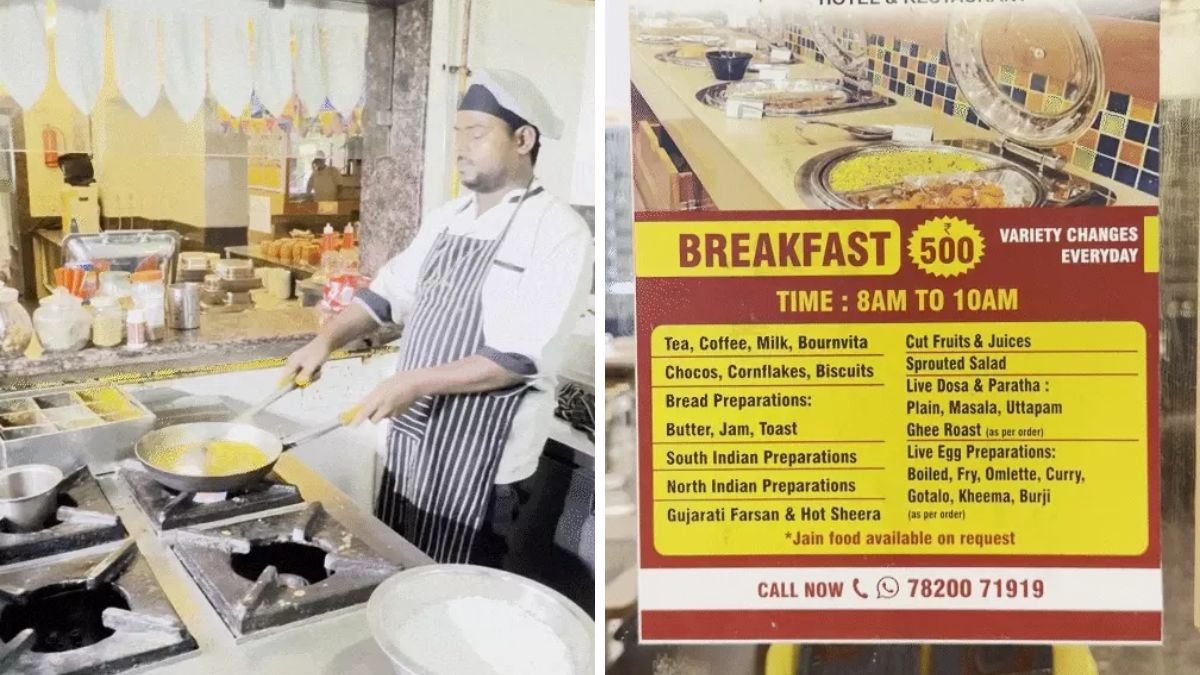
The impact is already visible in restaurants across Surat. Many eateries have begun placing price stickers on old menu cards instead of reprinting them to cut additional costs.
A dish that earlier cost ₹200 is now priced between ₹225 and ₹250. Dairy-based dishes and cheese items have seen the steepest rise, with prices increasing by nearly 25%.
“Items that consume more gas, like cheese dishes and South Indian food, have become significantly costlier,” said a restaurant manager. “If we don’t pass on the cost to customers, survival becomes impossible.”
Dosa, idli and other South Indian dishes have seen price hikes of 15–20%, while Gujarati thalis and paneer-based meals have also become pricier.
Wedding caterers hit during peak season
The wedding season has added to the pressure, particularly for catering businesses that rely heavily on commercial gas cylinders for outdoor events.
Catering managers say they had already accepted wedding orders months in advance and are now facing shrinking profit margins due to the sudden spike in gas prices.
“Wedding events cannot be postponed. We have to arrange gas at any cost,” a caterer said. “This sudden jump has disrupted our entire budgeting.”
Double blow from raw material and transport costs
Beyond LPG, rising prices of vegetables, edible oil, spices and dairy products have further strained the industry. Higher petrol, diesel and electricity costs have also increased transportation expenses, adding to the burden on hotel kitchens.
Relia warned that the long-term impact could affect the industry’s overall turnover. “When production costs rise so sharply, increasing prices becomes unavoidable,” he said.
Small eateries face survival challenge
The hardest hit are small hotels, lodges and canteens that depend on middle-class customers. Many diners are cutting back on eating out or ordering fewer dishes, reducing revenue for smaller establishments.
Operators say paying staff salaries and rent is becoming increasingly difficult. If gas prices do not stabilise soon, there are fears that several small food joints may shut down.