




Elon Musk Hides Tesla Optimus V3 Details as Humanoid Robot Production Nears Launch, But Why?
Elon Musk has confirmed that Tesla is moving closer to large-scale production of its humanoid robot Optimus V3, but the company is deliberately limiting public details about its capabilities ahead of...

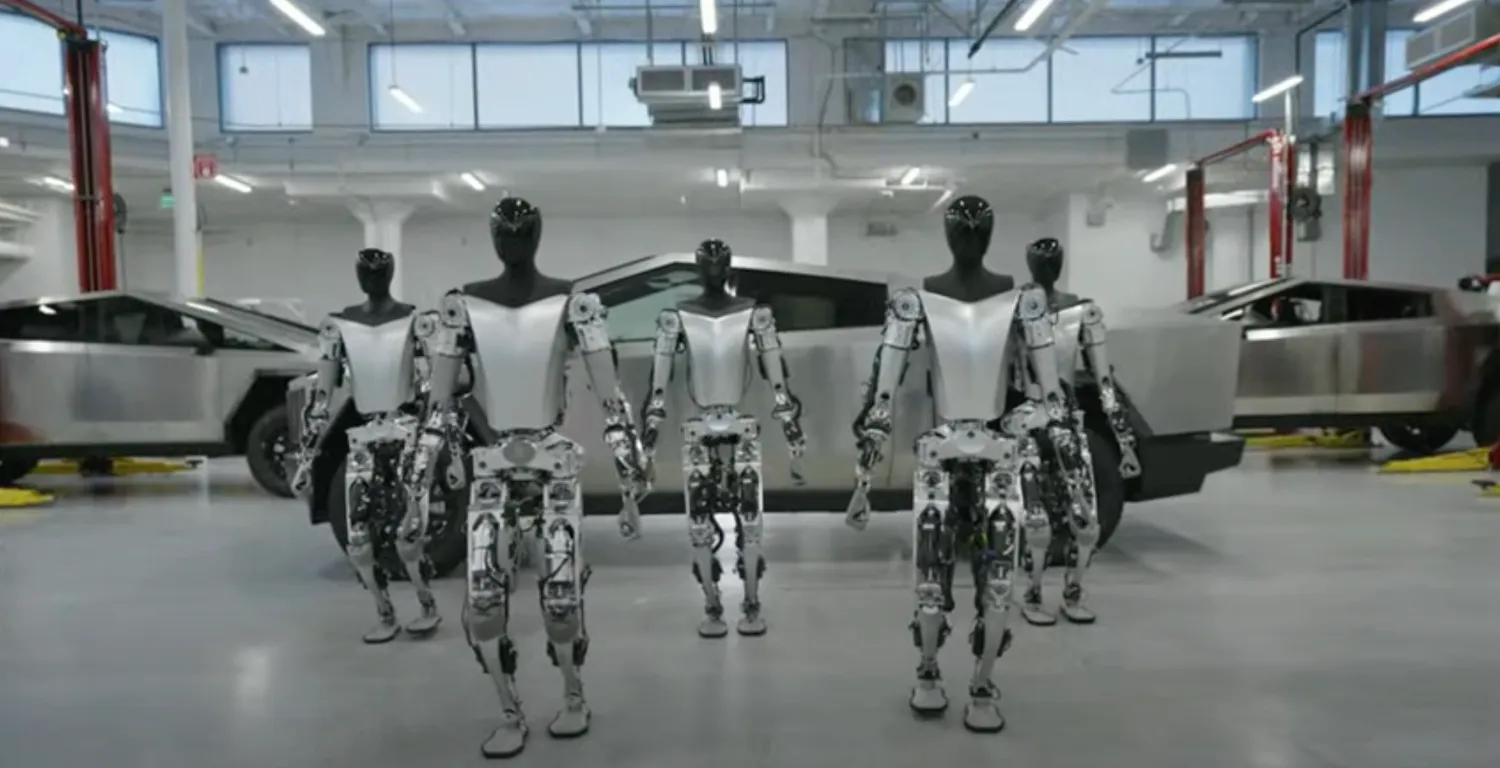
Elon Musk has confirmed that Tesla is moving closer to large-scale production of its humanoid robot Optimus V3, but the company is deliberately limiting public details about its capabilities ahead of launch. According to Musk, this decision is driven by concerns that competitors are closely watching every Tesla reveal and attempting to replicate its advancements, making secrecy an important part of protecting the company’s robotics edge as it enters a highly competitive AI-driven automation market.
Why Tesla is keeping Optimus V3 details hidden
Musk explained during Tesla’s Q1 earnings call that rival companies are actively studying Tesla’s demonstrations and technical disclosures. Because of this, the company is choosing to hold back key information about Optimus V3’s most advanced features until production is closer to full scale. He also described Optimus as potentially “Tesla’s biggest product ever,” highlighting how central humanoid robotics has become to Tesla’s long-term strategy beyond electric vehicles.
Production plans and factory changes
Tesla is preparing to begin initial Optimus production in Fremont, California, around July or August, after significant factory reconfiguration. This includes dismantling production lines previously used for Model S and Model X vehicles. In addition, Tesla plans to establish another production line at its Gigafactory in Austin, Texas, as part of a broader effort to scale manufacturing capacity. Long-term projections suggest Fremont could eventually produce up to one million units annually, while the Texas facility could scale even further if demand and production efficiency improve.
How Optimus will be used first
In its early phase, Optimus will be deployed for basic factory tasks inside Tesla facilities before expanding into more advanced real-world applications. Musk stated that the robot will operate with onboard intelligence, allowing it to function even without constant internet connectivity. However, it will still rely on a higher-level coordination system, potentially powered by xAI’s Grok, which would act as a management layer assigning and organizing tasks rather than directly controlling movement.
Tesla’s bigger AI and robotics push
Tesla is increasingly positioning itself as an AI and robotics company rather than just an automaker, with Optimus playing a major role in that transition. While exact 2026 production targets have not been disclosed, Musk emphasized that development is progressing at “insanely fast speed,” with the goal of making humanoid robots commercially viable at scale. This shift reflects Tesla’s broader ambition to expand into automation, AI systems, and robotics services far beyond traditional electric vehicles.