






Petrol Pump Dealers Revolt Against Ethanol-Blended Petrol in Gujarat
Surat | Gujarat — Till now, the debate over ethanol-blended petrol was largely confined to consumers unhappy with rising prices and reduced mileage. But now, the issue has ignited a fresh controversy...

Surat | Gujarat — Till now, the debate over ethanol-blended petrol was largely confined to consumers unhappy with rising prices and reduced mileage. But now, the issue has ignited a fresh controversy — this time from the petrol pump owners themselves. In a rare move, the South Gujarat Petrol Pump Dealers Association has written to Petroleum Minister Hardeep Singh Puri, alleging heavy losses caused by the government’s E20 ethanol-blending policy in coastal regions.
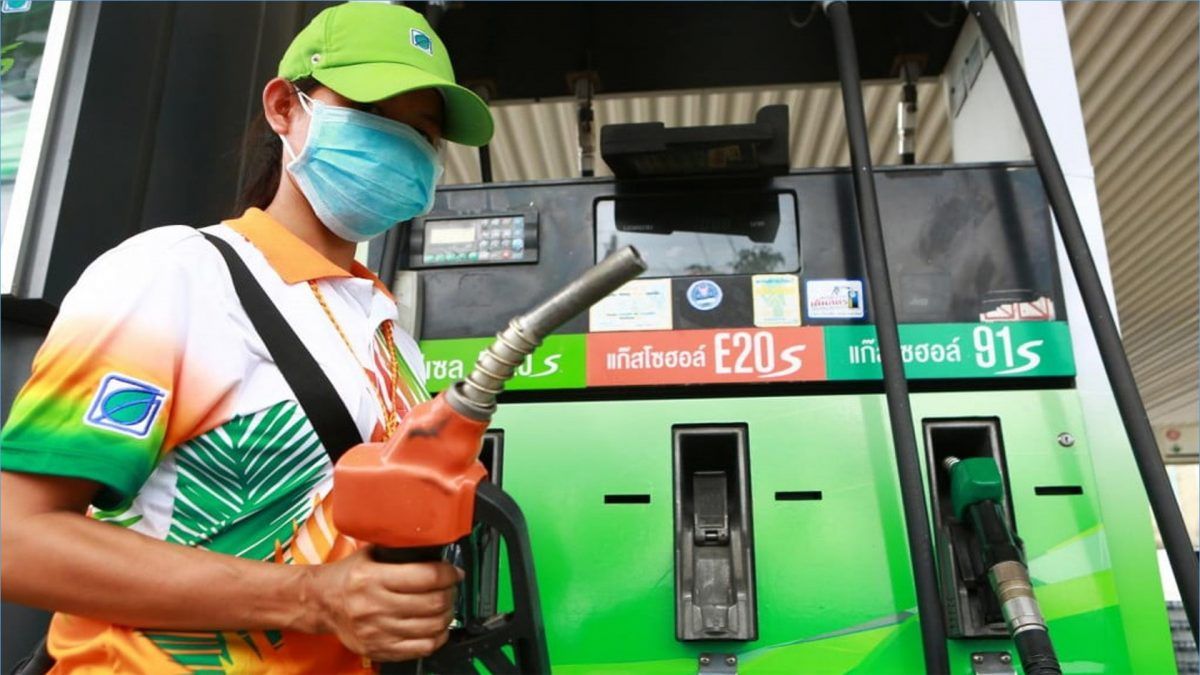
Under the E20 policy, the government mandates a 20% ethanol mix in petrol to reduce carbon emissions and import dependence. However, in South Gujarat’s humid coastal belt, this eco-friendly move appears to have triggered a major operational and financial crisis.
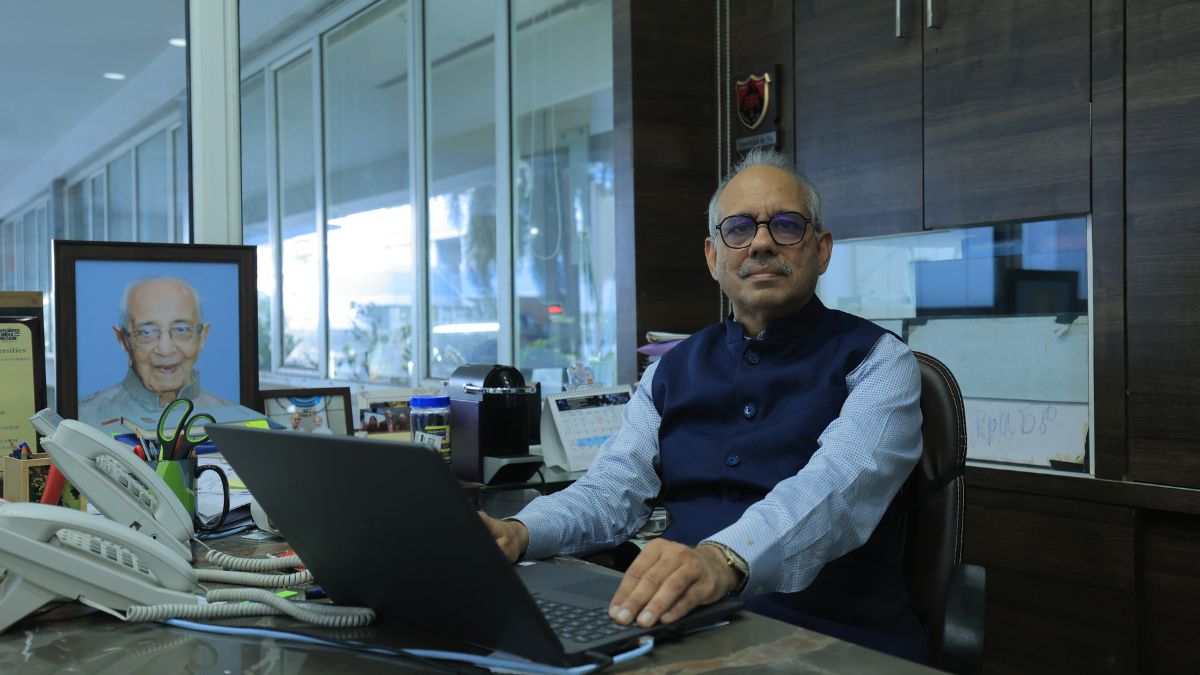
“If humidity increases even slightly or water enters the underground tanks, ethanol separates from petrol due to a chemical reaction,” explained Suresh Desai, President of the South Gujarat Petrol Pump Dealers Association. “Ethanol, being heavier, settles at the bottom. When customers refuel, they get more ethanol and less petrol — damaging vehicle engines and causing complaints. Meanwhile, we lose lakhs in the process.”
According to Desai, this phenomenon is especially acute during the monsoon season, when coastal humidity is high. The association has therefore demanded that the government suspend the sale of E20 fuel for at least four months during the monsoon in these regions.
The issue adds another layer to the ongoing public discontent with ethanol-blended petrol. While ethanol’s price is significantly lower (around ₹65 per litre) than petrol, the government has not reduced retail petrol prices proportionately, despite mixing 20% ethanol. Consumers argue that this amounts to paying the full price for diluted fuel.
Motorists have also raised technical concerns. Ethanol-blended petrol is suitable only for BS6 engines — vehicles manufactured after 2018. Older models, which still dominate India’s roads, are reportedly facing performance issues, reduced mileage, and engine corrosion when running on E20 fuel.
Nishith Desai, a petrol pump operator from Surat, echoed the frustration of fellow dealers, “Customers come back complaining that their vehicles are jerking or stalling. Mechanics often blame water in petrol, but the real problem is ethanol separation. We are being blamed for something beyond our control.”
The Association argues that the issue is not merely environmental or technical but also logistical and financial. They have urged petroleum companies to provide dual storage tanks — one for ethanol-blended petrol and another for pure petrol — so dealers can cater to both types of demand. However, Desai says oil companies are unwilling to bear the additional cost.
“Petrol companies don’t want to spend a rupee,” Desai said bluntly. “They must provide infrastructure to handle ethanol safely. If someone wants petrol without ethanol, they should get it — and both fuels should have separate tanks.”