





Why Personal Health Insurance Matters Even When You Have Employer Coverage
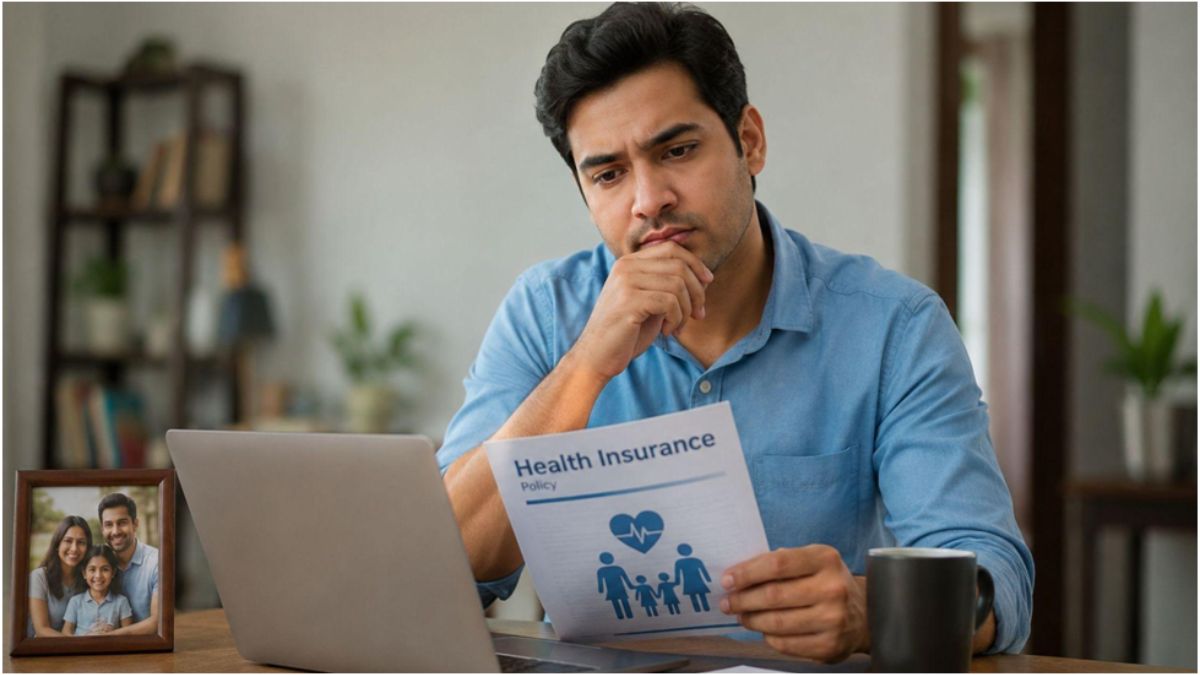
Personal health insurance matters even when you have employer coverage because workplace cover is tied to your job, while an individual policy remains with you. It can also give you more control over...

Personal health insurance matters even when you have employer coverage because workplace cover is tied to your job, while an individual policy remains with you. It can also give you more control over the sum insured, policy features and continuity of cover.
Employer-provided insurance can be useful, but relying on it alone may leave gaps during job changes, retirement or changes in family needs. A personal policy creates an independent layer of protection that does not depend on your organisation.
Employer Coverage Ends with Employment
Employer health insurance usually exists only while you remain covered by the organisation’s group policy. If you resign, retire or move between jobs, that cover may stop according to the employer’s terms.
Personal insurance can continue independently of employment and support:
- Continuous personal coverage
- Protection during career transitions
- Cover after retirement
- Independence from employer policy changes
The main advantage is continuity. Your health cover remains in place even if your employment situation changes.
Personal Cover Gives You More Control
You select and maintain a personal health policy, so an employer does not decide the coverage structure. Such flexibility can matter when your medical needs or preferred level of protection differ from what the workplace policy provides.
You can review:
- Sum insured
- Room eligibility
- Co-payment conditions
- Waiting periods
- Network hospitals
- Optional benefits
That control makes it easier to build cover around your requirements instead of relying on a standard group policy.
Employer Limits May Not Match Family Needs
A group policy may provide cover for the employee and certain dependants, but the extent of that cover depends on the employer’s arrangement. Parents or older family members may have different healthcare needs.
Families exploring health insurance for senior citizens aged 65 and above may prefer to assess parental cover separately rather than assume that employer insurance will remain sufficient for everyone.
A personal policy can help create a more suitable structure for family members whose workplace cover does not fully meet their needs.
Job Changes Can Create Coverage Gaps
Switching jobs can affect health insurance because one employer’s group cover may end before another employer’s policy becomes active. The new policy may also have different benefits, limits or eligibility conditions.
A personal policy can reduce dependence on these changes during:
- Resignation periods
- Career breaks
- Changes between employers
- Self-employment
- Retirement
This continuity can matter because medical needs do not pause when employment status changes.
Waiting Period Continuity Can Start Earlier
Personal health insurance can help build continuity for waiting periods while you are employed. Waiting periods may apply to certain conditions or treatments, depending on the policy.
If you rely only on employer coverage for many years and buy an individual policy later, fresh waiting periods may apply according to the new policy terms.
Starting personal cover earlier can help establish an independent insurance history that continues despite workplace changes.
Employer Policies Can Change
The employer arranges group health insurance, which means it may revise coverage terms over time. The employer may change the insurer, sum insured, covered dependants or other benefits at renewal.
Employees have limited control over these decisions.
A personal policy works differently because the policyholder holds the cover. Although its terms and premiums can also change, the policy is not dependent on an employer deciding what benefits to provide.
Personal Insurance Supports Retirement Planning
Employer health cover should not be treated as retirement protection. Once employment ends, the group policy may no longer be available under the same arrangement.
Having personal health insurance already in place can reduce the need to start searching for cover only after retirement, when age and medical history may influence underwriting.
It allows health insurance continuity to be built during working years rather than leaving the decision until employer protection ends.
Two Covers Can Serve Different Roles
Employer coverage and personal health insurance do not have to be treated as alternatives. They can serve different purposes within a protection strategy.
Employer insurance may provide a workplace benefit, while personal cover can provide:
- Independent continuity
- Additional sum insured
- Longer-term ownership
- Protection beyond employment
- Greater control over policy features
The value lies in reducing dependence on a single source of cover.
Conclusion
Personal health insurance matters even when employer coverage is available because the two forms of protection are not identical. Employer insurance is linked to the workplace, while personal insurance can continue through job changes, career breaks and retirement.
It also gives you greater control over coverage, helps build continuity and can support family needs that a group policy may not fully address. Keeping personal cover alongside employer insurance creates an independent layer of protection that stays connected to you rather than to your job.