



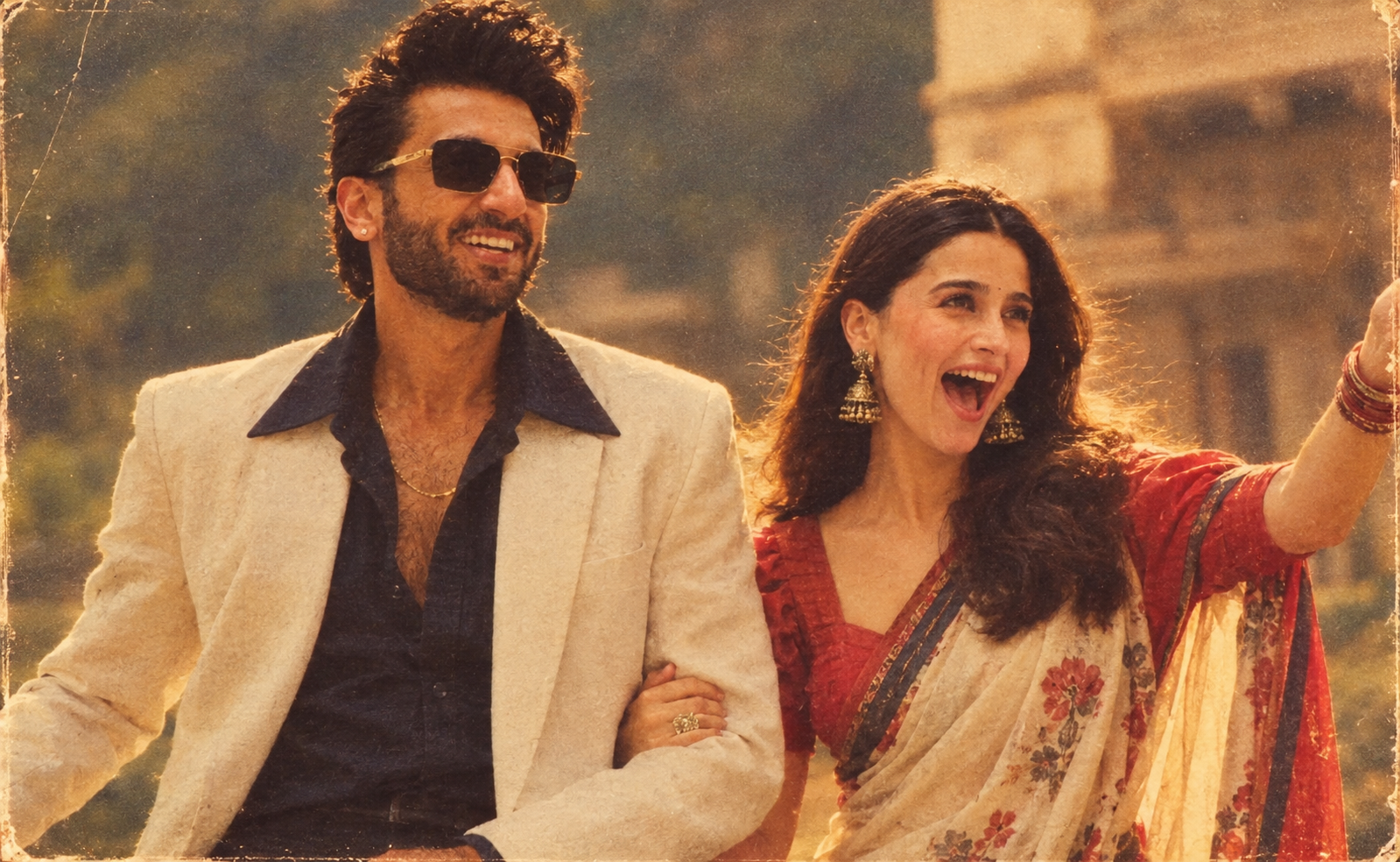
Viral GPT 80s Retro Trend: How to Create the Popular Vintage-Style AI Image
A new AI image trend is taking social media by storm, with users transforming their modern photographs into nostalgic 1980s-inspired portraits using generative AI tools such as ChatGPT. The trend...

A new AI image trend is taking social media by storm, with users transforming their modern photographs into nostalgic 1980s-inspired portraits using generative AI tools such as ChatGPT.
The trend gives ordinary photographs a distinctly retro appearance, recreating the colours, fashion, lighting and film texture associated with photographs from the 1980s.
What Is the GPT 80s Retro Trend?
The trend involves uploading a photograph to an AI image-generation tool and asking it to recreate the image with an authentic 1980s aesthetic.
Instead of simply applying a basic vintage filter, users can describe specific elements such as retro clothing, hairstyles, analogue film grain, warm colours, old-camera photography and cinematic lighting.
The result is designed to resemble an old photograph while retaining the person’s recognizable facial features.
How to Create an 80s Retro Image Using GPT
Creating the image is relatively simple. Users can upload a suitable photograph to ChatGPT and provide a detailed prompt describing the desired 1980s appearance.
A prompt can ask the AI to preserve the person’s identity while changing the overall styling to match the decade.
For example, users can request:
“Transform this photograph into an authentic 1980s retro portrait. Preserve the person’s facial identity and natural features. Use vintage 1980s fashion, analogue film grain, warm colours, soft cinematic lighting and realistic old-film texture. Make it look like a professionally photographed Indian portrait from the 1980s.”
The prompt can then be customised according to the desired outfit, background, hairstyle, lighting and photographic style.
What Makes the Images Look Authentic?
Several visual elements help create the retro effect. These include muted or slightly faded colours, analogue film grain, soft focus, natural skin texture and subtle imperfections associated with older cameras and film photography.
Users can also add period-specific clothing, hairstyles and accessories to make the transformation more convincing.
Rather than making the image look heavily filtered, the goal is to recreate the appearance of an actual photograph captured several decades ago.
Why Is the Trend Going Viral?
AI image-generation tools have made it easier for users to experiment with different eras and photographic styles without requiring professional editing software.
The 80s trend also taps into nostalgia, allowing younger users to imagine themselves in an earlier decade while giving older users an opportunity to recreate the visual style of photographs from their youth.
The personalised nature of the images makes them particularly suitable for sharing on social media, where users can experiment with different retro outfits, poses and backgrounds.
Tips for Better 80s AI Images
For a more convincing result, users should provide a clear, high-quality photograph and describe the visual style they want in detail.
Mentioning specific elements such as 1980s Indian fashion, analogue photography, vintage film grain, warm lighting, soft focus and period-appropriate backgrounds can help the AI produce a more consistent result.
It is also useful to tell the AI not to alter the person’s identity or facial structure if preserving their appearance is important.
The AI-Powered Nostalgia Trend
The viral 80s transformation trend is another example of how generative AI is changing the way people experiment with personal photographs. What once required photo-editing skills can now be attempted with a photograph and a carefully written prompt.
As AI image-generation tools become more capable, similar trends recreating different decades, film styles and cultural aesthetics are likely to continue appearing across social media.