






Tribal Women Earn Big from Summer Farming in South Gujarat
Surat | Gujarat — In a region where farming traditionally came to a halt during the scorching summer months, hundreds of tribal women in South Gujarat are now harvesting vegetables and earning a...

Surat | Gujarat — In a region where farming traditionally came to a halt during the scorching summer months, hundreds of tribal women in South Gujarat are now harvesting vegetables and earning a steady income, thanks to a unique agricultural intervention that is transforming lives and livelihoods.
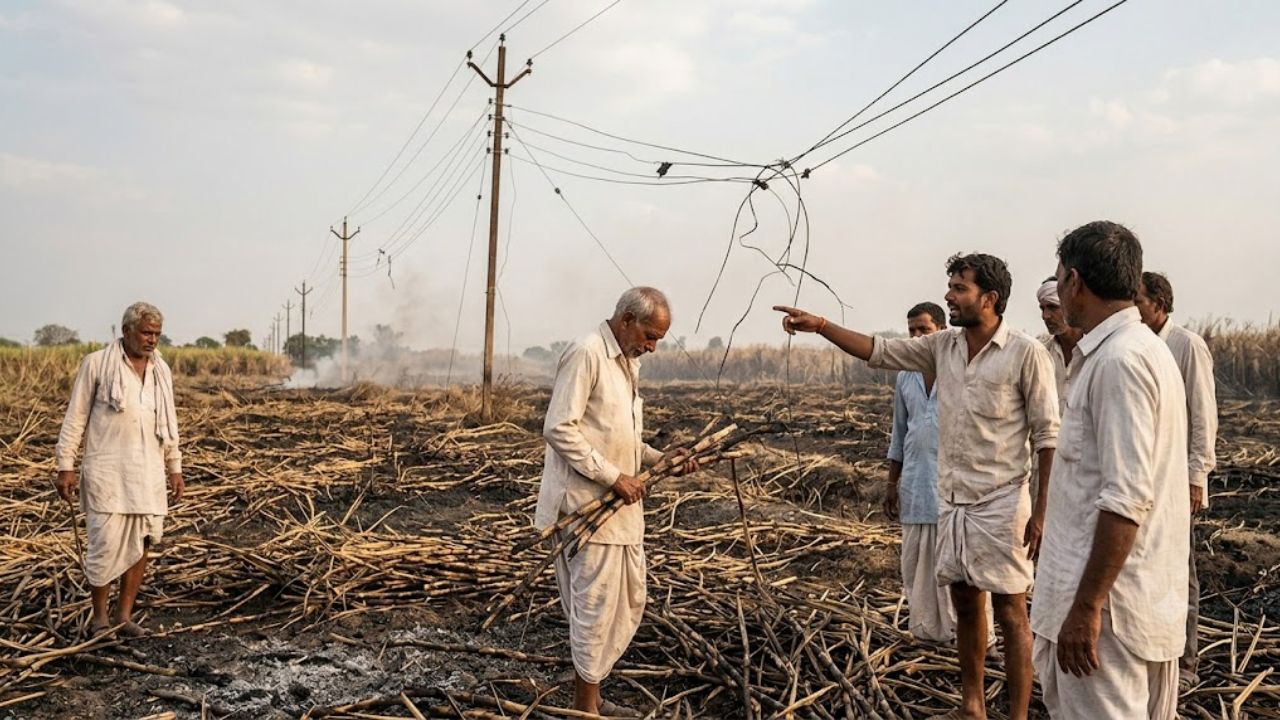
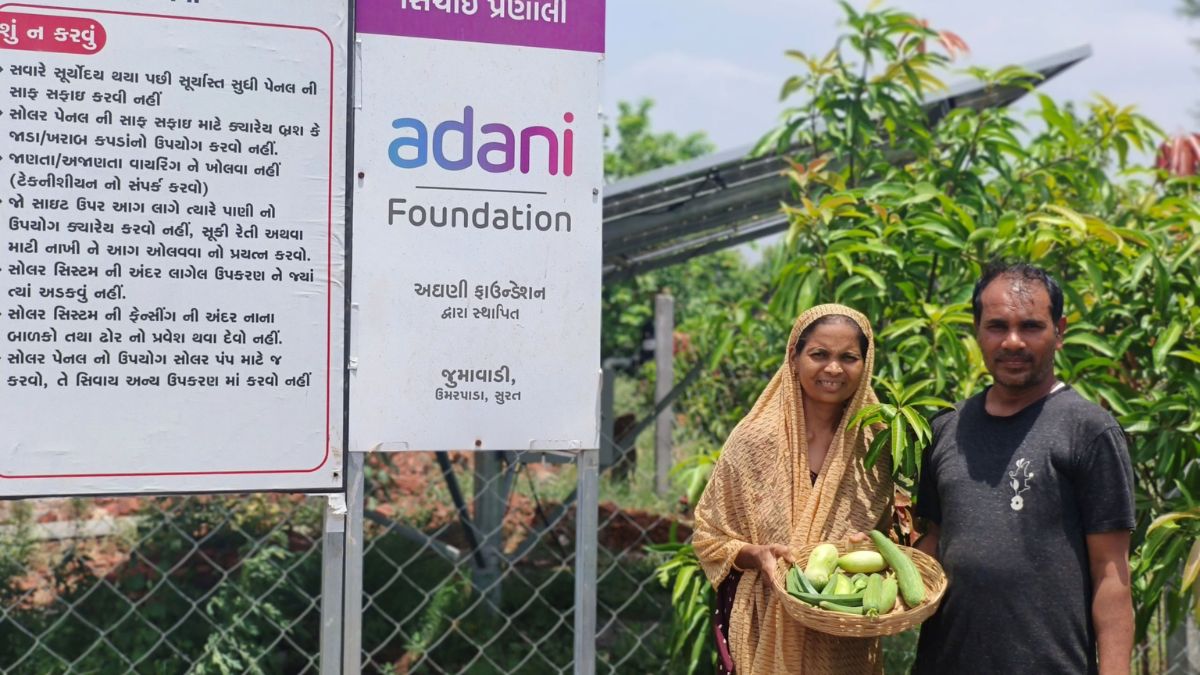
The dry fields of Umarpada in Surat district and Netrang in Bharuch district have turned green even during peak summer, driven by the combined use of solar-powered irrigation, drip systems and the ‘Mandwa’ (trellis) method for cultivating vine vegetables. The initiative, implemented by the Adani Foundation, is helping tribal families overcome chronic water scarcity while boosting farm productivity and household income.
To address the long-standing challenge of water availability, the Foundation facilitated the formation of Joint Liability Groups (JLGs) and installed 38 solar pumps benefiting 190 farming families across nearly 190 acres of land. Additionally, 61 drip irrigation systems were introduced to ensure efficient water use and improve crop yields.
The project also encouraged farmers to adopt trellis-based cultivation for vegetables such as gourds and climbers. While 30 farmers in Umarpada received trellis support, the initiative reached 300 farmers in Netrang, significantly increasing cultivation during the summer season.
For many women farmers, the impact has been life-changing.
“Last summer, we could not cultivate anything because there was no water. With the support of Adani Foundation and the use of drip irrigation and Mandwa farming, I earned ₹18,500 from just three gunthas of land this year,” said Hemaben Vasava, a farmer from Umarpada.
Other women farmers have reported similar success. Ramilaben earned ₹16,800, while Shardaben generated ₹19,200 through vegetable cultivation. In Netrang, women farmers such as Urmilaben, Sunandaben and Damayantiben earned between ₹12,500 and ₹14,200 from just one guntha of land.
“This additional income is helping us manage household expenses and invest in our children’s education,” one beneficiary said.
Agriculture experts associated with the initiative say the project demonstrates how sustainable irrigation technologies and scientific farming practices can improve water conservation while enhancing rural incomes.
The success story of Umarpada and Netrang is now emerging as a model of women-led rural development, proving that with the right support and technology, even drought-prone tribal regions can become centres of agricultural prosperity.