


Traditional Surat Fabric Puts Weavers in New Market Spotlight
SURAT : A traditional fabric from Surat’s weaving heritage could get a fresh lease of life if a proposed institutional market takes shape. The Manmade Textiles Research Association (MANTRA), Surat,...

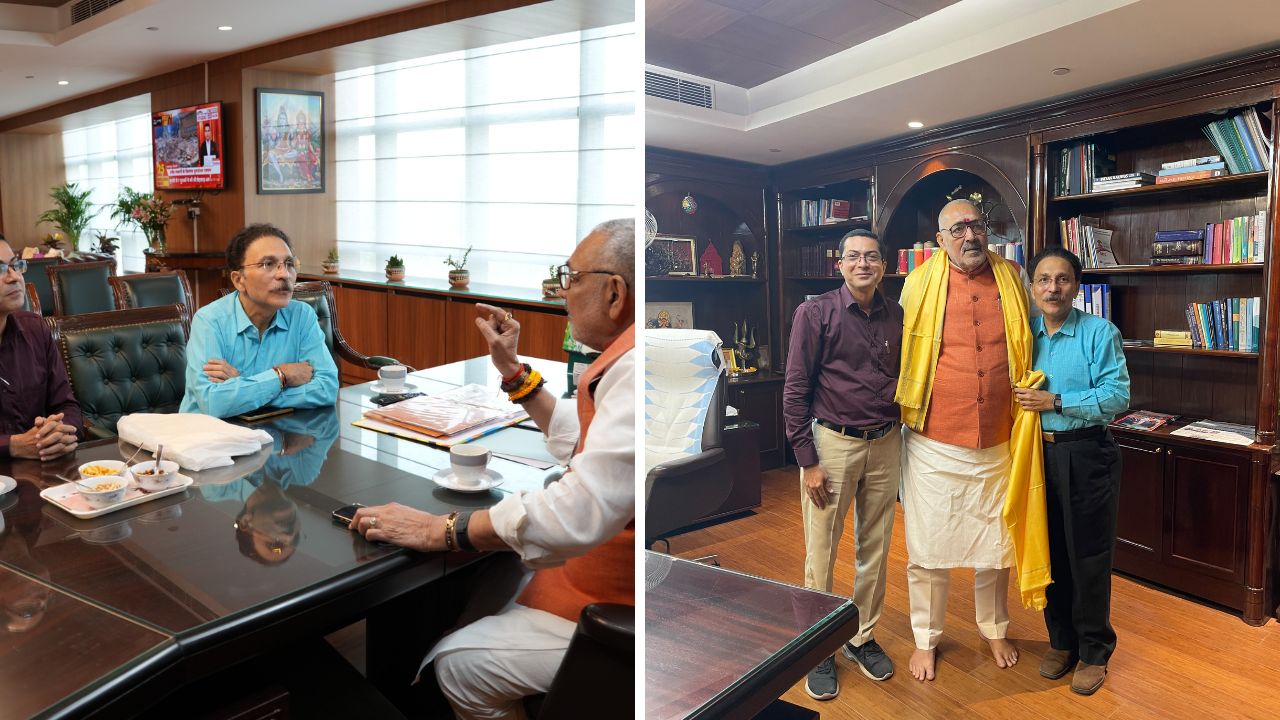
SURAT : A traditional fabric from Surat’s weaving heritage could get a fresh lease of life if a proposed institutional market takes shape. The Manmade Textiles Research Association (MANTRA), Surat, has showcased a lightweight viscose fabric made on traditional shuttle looms to Union Textile Minister Giriraj Singh, highlighting its potential to create new opportunities for handloom and shuttle-loom weavers.
The fabric was presented during a meeting in New Delhi on September 21 by MANTRA Director Dr Pankaj Gandhi and Deputy Director Dr Hitesh Jariwala.
According to MANTRA, the fabric combines softness, smoothness, light weight and breathability with relatively low production costs. It is made using viscose staple-fibre-based yarn and aims to reproduce some of the comfort associated with fine traditional fabrics.
The fabric also has deep roots in Surat’s weaving history. MANTRA said similar fabrics have been produced by traditional weaving families for more than seven decades. Locally known as “Shwal” or “Pitambar”, such fabrics were historically woven on handlooms and used by men during religious and ceremonial occasions.
Only a limited number of traditional families continue to produce the fabric today.
The Textile Minister appreciated its hand-feel and suggested visiting a manufacturing unit to understand the production process and possible applications.
One proposal discussed was the potential use of the fabric for bed sheets in Indian Railways.
MANTRA said the fabric can be produced on conventional shuttle powerlooms and could also be adapted for handlooms with suitable specifications. However, any railway application would require technical testing, quality standards and procurement approval.
Dr Gandhi said the bigger opportunity lies in creating an organised market for traditional weavers.
“If a standardised specification is developed and an institutional procurement programme is created, it can provide a new market for traditional shuttle powerlooms as well as handloom weavers,” he said.
He added that the focus should extend beyond fabric production to yarn supply, testing, quality control, aggregation and assured market access.
India’s fourth Handloom Census recorded 35.22 lakh handloom workers, including 26.74 lakh weavers and 8.48 lakh allied workers.
The proposal could therefore connect Surat’s modern man-made fibre ecosystem with its traditional weaving base. NITI Aayog’s Surat Economic Region plan identifies textiles as a major part of the region’s economy and notes Surat’s strong MMF manufacturing ecosystem.
“If a technically specified fabric can create a stable institutional market for thousands of traditional looms, the impact can go beyond one product,” Dr Gandhi said.
The proposal now opens the possibility of linking research institutions, weavers, cooperatives and institutional buyers to revive traditional weaving while creating new decentralised employment opportunities.