Toll Exemption for PM Modi’s Surat Visit Sparks Controversy
Gujarat Congress leader and Pradesh Congress Committee Secretary Darshan Naik has strongly opposed the toll exemption, asserting that such a decision violates the National Highways Act. According to Naik, toll collection falls under central jurisdiction, and no state government or district authority has the legal power to grant exemptions for toll charges.

Advertisement
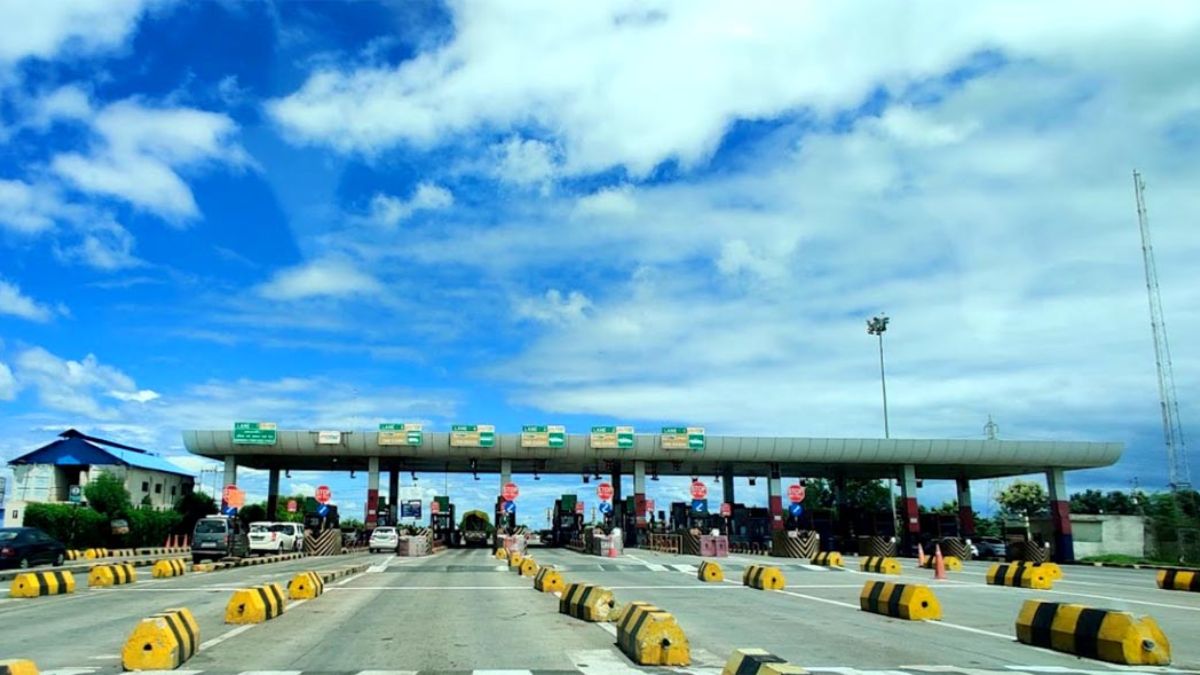
Surat: Prime Minister Narendra Modi is scheduled to visit Surat-Navsari district on March 7 to attend an official program. However, a decision by the Surat district administration to exempt toll charges for a day has sparked significant opposition. The Additional District Magistrate’s order, issued on February 24, has drawn sharp criticism, particularly from the Gujarat Pradesh Congress Committee, which has termed it legally questionable and beyond the government’s jurisdiction.
Legal Concerns Raised by Congress
Gujarat Congress leader and Pradesh Congress Committee Secretary Darshan Naik has strongly opposed the toll exemption, asserting that such a decision violates the National Highways Act. According to Naik, toll collection falls under central jurisdiction, and no state government or district authority has the legal power to grant exemptions for toll charges.
“The law of the country is the same for everyone, including the Prime Minister. The Additional District Magistrate’s decision is beyond jurisdiction. If such exemptions are allowed arbitrarily, every state government could start granting toll waivers for political events, leading to the collapse of the toll system,” Naik stated.
Political Fallout and National Implications
The Congress leader further warned that if this order is implemented, it would set a dangerous precedent. Other political leaders, including Union Ministers and Chief Ministers, might demand similar exemptions for their programs, ultimately disrupting the toll collection mechanism across the country.
Naik also emphasized that Prime Minister Modi may not be aware of this controversial decision taken by the local administration or the Gujarat government. Hence, he has urged the Prime Minister’s Office (PMO), the Ministry of Road Transport and Highways, and the National Highways Authority of India (NHAI) to intervene and ensure compliance with the National Highway Act and toll regulations.
Demand for PMO and NHAI Intervention
With the controversy gaining momentum, opposition leaders are demanding a reversal of the order. The issue has been officially reported to the PMO, and calls for intervention have grown louder.
Legal experts argue that unless the NHAI issues an official notification, no district authority has the right to suspend toll collection. They warn that arbitrary exemptions could set a dangerous precedent, leading to potential revenue losses and inconsistencies in national toll policies.
As of now, there has been no official response from the Prime Minister’s Office or NHAI regarding the matter. However, the controversy is expected to intensify as political parties gear up to challenge the decision.
Advertisement
