



Surat SMC Moves to Tackle 45 Tonnes of Textile Hotfix Waste Daily
SURAT: Surat’s booming textile and embroidery industry is generating a waste problem that the city can no longer afford to ignore. Nearly 45 tonnes of plastic and synthetic hotfix waste is being...

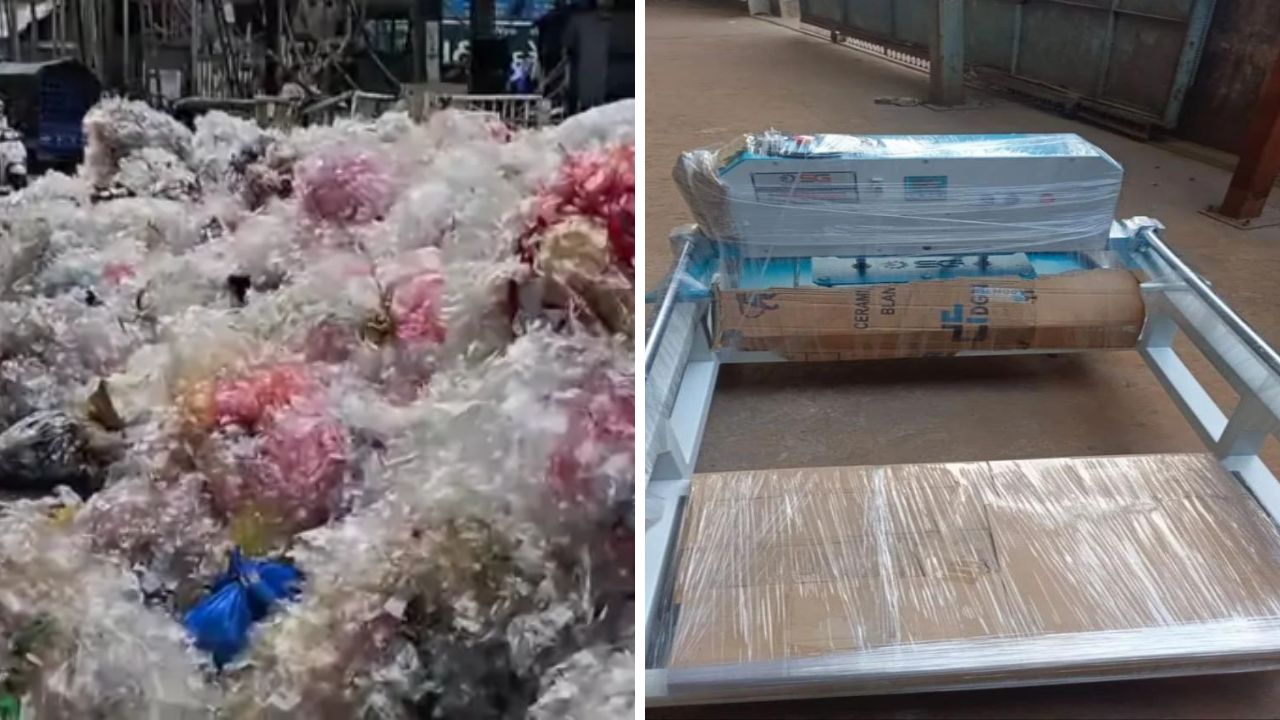
SURAT: Surat’s booming textile and embroidery industry is generating a waste problem that the city can no longer afford to ignore. Nearly 45 tonnes of plastic and synthetic hotfix waste is being generated every day, with much of it previously ending up dumped along public roads and creek banks due to the absence of a dedicated disposal mechanism.
The Surat Municipal Corporation (SMC) has now launched an emergency collection drive in the worst-affected areas while simultaneously working on a permanent scientific disposal policy for the waste.
Following representations from local residents and MLAs, the civic body’s health department has deployed 15 tractors, three JCB machines and nine trucks in Varachha, Katargam and Limbayat to clear accumulated hotfix waste.
The collected material is currently being dumped at the RTS facility in Umarwada before being shifted to the plastic waste collection plot at Bamroli-Bhatar.
The scale of the problem is particularly alarming in Varachha, which has the city’s highest concentration of hotfix units. The zone alone generates approximately 40 metric tonnes of hotfix waste every day. Katargam and Limbayat contribute another two to three tonnes each, taking the estimated daily generation to 44-46 tonnes.
The immediate clean-up, however, is only a temporary measure.
Civic authorities have acknowledged that simply shifting the waste from one location to another cannot be a long-term solution. The Mayor and Standing Committee chairman recently held a high-level meeting with the Health Department to formulate a comprehensive strategy for processing the material.
A key decision is the appointment of a technical consultant who will examine the nature of hotfix waste and recommend appropriate scientific processing and disposal methods.
The SMC is also looking for separate plots in the Varachha area for systematic collection and segregation of the waste.
Officials are simultaneously considering stricter measures against industries and companies that dispose of hotfix waste in the open.
The challenge is significant because hotfix waste contains plastic and synthetic materials that cannot simply be treated like conventional municipal garbage. Uncontrolled dumping not only creates eyesores but also raises concerns over environmental pollution and clogged drainage and water channels.
The civic body now faces a twin challenge: clearing the existing mountain of waste while creating a system that prevents fresh dumping.
For Surat, where textile production and embroidery are major economic engines, officials say the ultimate objective must be to ensure that industrial growth does not come at the cost of the city’s environment.