






Surat Flood Tragedy: Rs.500 Crore Plan Announced, But Who Will Answer for 37 Deaths?
SURAT : Thirty-seven lives have been lost. Thousands of families have watched floodwaters swallow their homes. Businesses have suffered massive losses. Yet, as Surat once again begins counting the...

SURAT : Thirty-seven lives have been lost. Thousands of families have watched floodwaters swallow their homes. Businesses have suffered massive losses. Yet, as Surat once again begins counting the cost of another devastating creek flood, the biggest question remains unanswered: Who will be held accountable? Announcing another review meeting and another action plan may offer hope, but unless responsibility is fixed, critics warn that Surat is destined to relive the same disaster year after year.
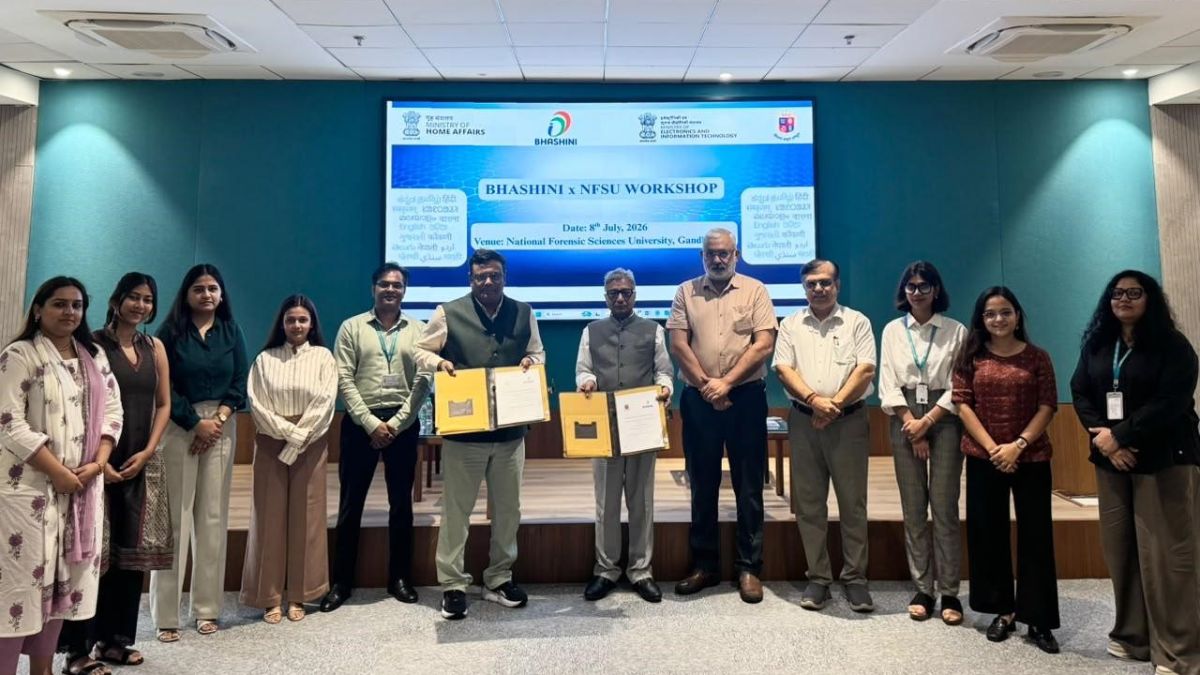
In one of the toughest administrative reviews in recent years, Gujarat Chief Minister Bhupendra Patel rushed to Surat on Thursday to assess the flood crisis firsthand. Following a marathon two-hour meeting at the Circuit House—where even ministers and senior officials reportedly deposited their mobile phones outside to ensure uninterrupted discussions—the Chief Minister announced a ₹500 crore package for the comprehensive redevelopment of Surat’s creek network.
The package includes creek deepening, widening of natural waterways, removal of encroachments and long-term flood mitigation measures. The Chief Minister also directed officials to prepare an emergency action plan and warned that negligence leading to loss of life or property could invite criminal prosecution. Cash assistance for affected families is expected to be distributed after July 10.
“Those responsible for negligence will face strict and even criminal action,” the Chief Minister reportedly told officials.
However, the announcement has triggered a broader debate over whether the city’s civic machinery is equipped to implement such ambitious plans.
Five Deputy Commissioner posts, three Additional City Engineer posts and the crucial City Engineer’s post remain vacant in the Surat Municipal Corporation (SMC). Administrative experts argue that expecting efficient flood management with an incomplete leadership team is unrealistic.
Questions have also been raised over illegal encroachments along creeks, shrimp ponds allegedly obstructing natural water flow, and unauthorised constructions that continue despite repeated complaints.
“A weak administration, inadequate manpower and poor planning make recurring floods almost inevitable,” civic observers say.
Despite the scale of this year’s tragedy, no official has yet been held responsible for the deaths of 37 people, including children. Critics argue that unless accountability is fixed and encroachments are removed without political interference, redevelopment alone will not solve Surat’s flood crisis.
For Surtis, the fear is no longer just the rain—it is the possibility that promises made today may once again be forgotten before the next monsoon arrives.