




Surat Eyes Global Sustainable Textile Hub with UNIDO Push
NEW DELHI: Surat’s textile industry is looking beyond production volumes and exports, with a fresh push to make the city a global hub for sustainable man-made textile manufacturing. The initiative...

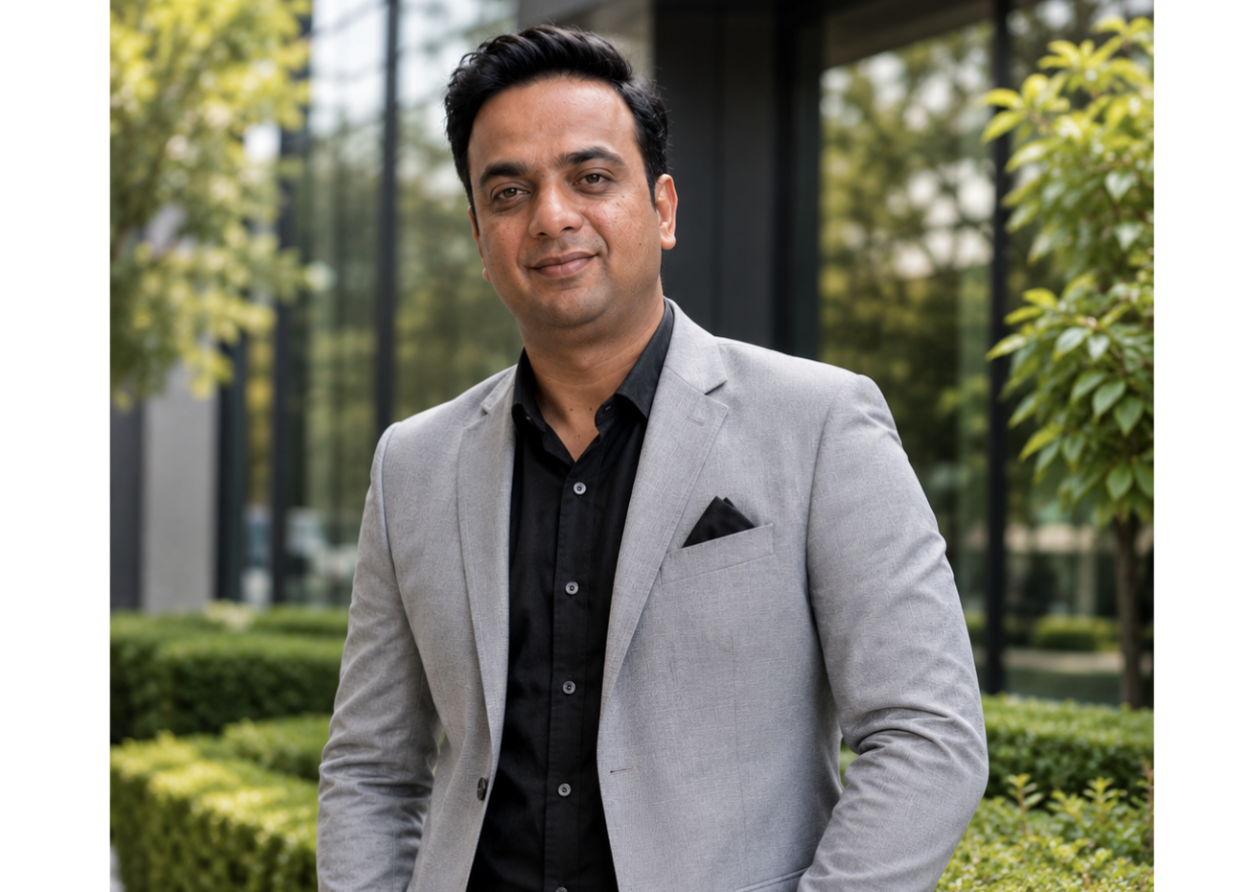
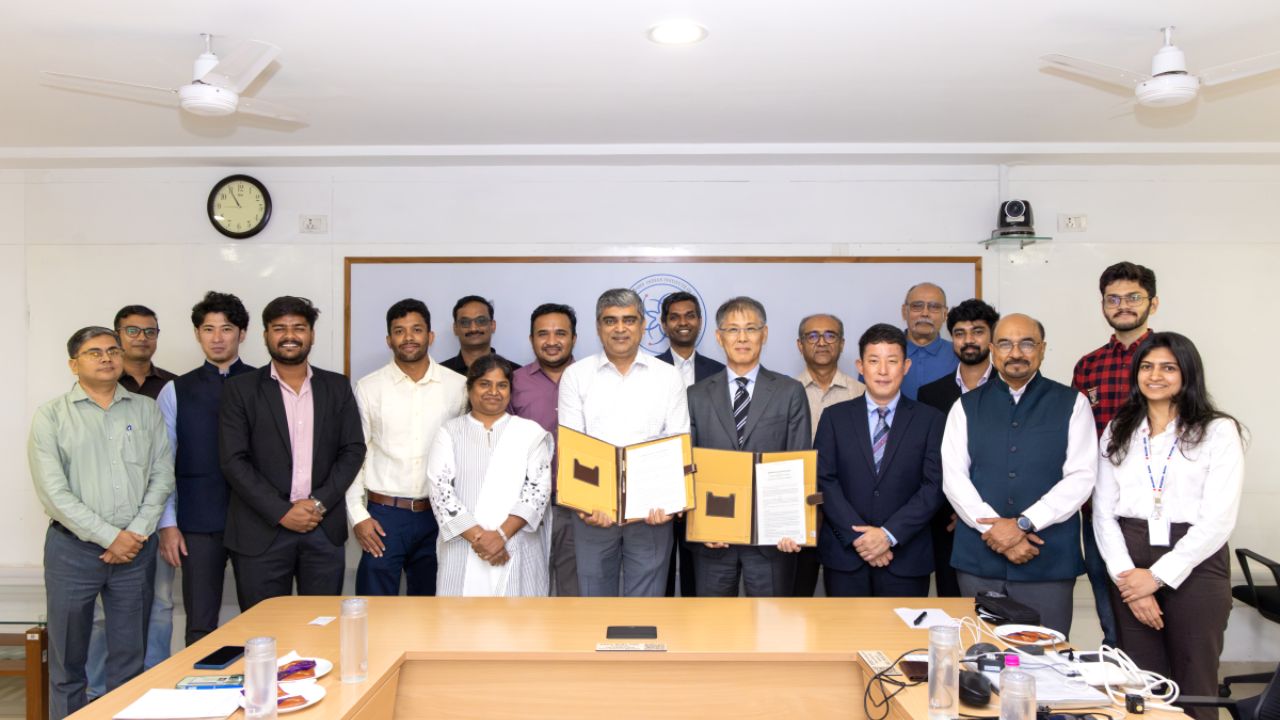
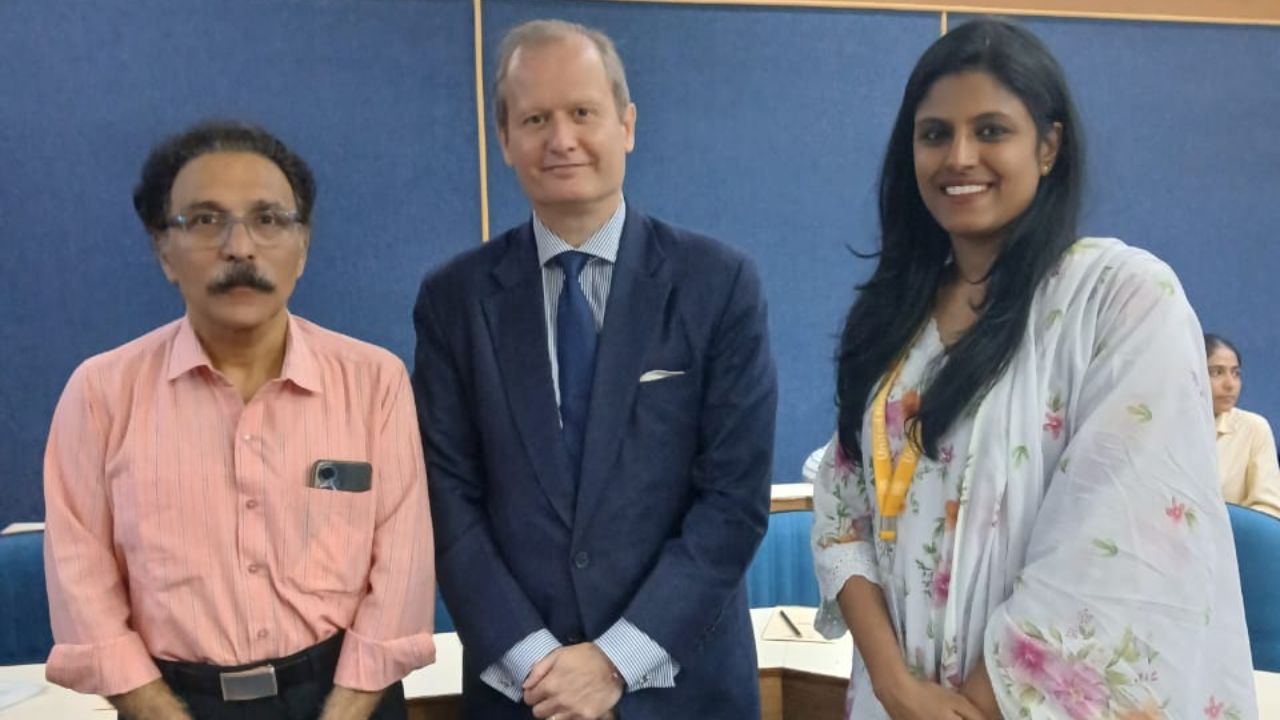
NEW DELHI: Surat’s textile industry is looking beyond production volumes and exports, with a fresh push to make the city a global hub for sustainable man-made textile manufacturing. The initiative gained momentum after MANTRA Director Dr Pankaj Gandhi held discussions with UNIDO Director Cristiano Pasini and Country Programme Coordinator Shraddha Srikanth in New Delhi.
The meeting focused on some of the biggest challenges facing Surat’s vast textile ecosystem, including water and energy consumption, chemical management, waste generation, carbon emissions and compliance with evolving international environmental standards.
Gandhi briefed UNIDO officials on Surat’s strengths across yarn manufacturing, weaving, dyeing, printing and textile processing, while highlighting the need to align the cluster with global sustainability requirements.
“Surat already has the manufacturing capacity, technical expertise and a strong industry ecosystem required for a world-class man-made textile industry,” Gandhi said.
He added that integrating “sustainability, green technology, circular economy and digital traceability” could help Surat secure a stronger position in global textile supply chains.
During the meeting, Gandhi invited Pasini to visit Surat and assess the textile cluster’s operations and environmental challenges first-hand.
UNIDO has been working globally to improve industrial competitiveness through efficient use of water, energy, raw materials and chemicals, along with cleaner production, waste reduction and low-carbon technologies.
MANTRA and UNIDO also discussed the possibility of developing a “Sustainable Textile Roadmap” for Surat, involving industry, research institutions and government agencies.
The proposed roadmap could include pilot projects focusing on water and energy conservation, carbon reduction, cleaner production, sustainable chemical use and textile waste recycling. Successful projects could eventually be expanded across Surat’s wider textile cluster.
The initiative comes as sustainability increasingly becomes a prerequisite for access to international markets rather than merely an environmental objective.
Industry stakeholders believe that adopting globally recognised sustainability practices could help Surat strengthen its competitiveness and prepare manufacturers for increasingly stringent international supply-chain requirements.
The proposed collaboration could therefore mark an important shift for Surat—from being known primarily as India’s major man-made textile centre to positioning itself as a Global Sustainable Textile City.