
RBI Holds Rate at 5.5%, Tariff Risks Loom: HDFC’s Sakshi Gupta
HDFC Bank currently forecasts India’s GDP growth at 6.3% for FY26, slightly below the RBI’s projection of 6.5%. Gupta warned that if current tariff levels persist or worsen, GDP growth could face a downside risk of 20-25 bps, especially as MSMEs and exporters face rising costs and global uncertainty.

Advertisement
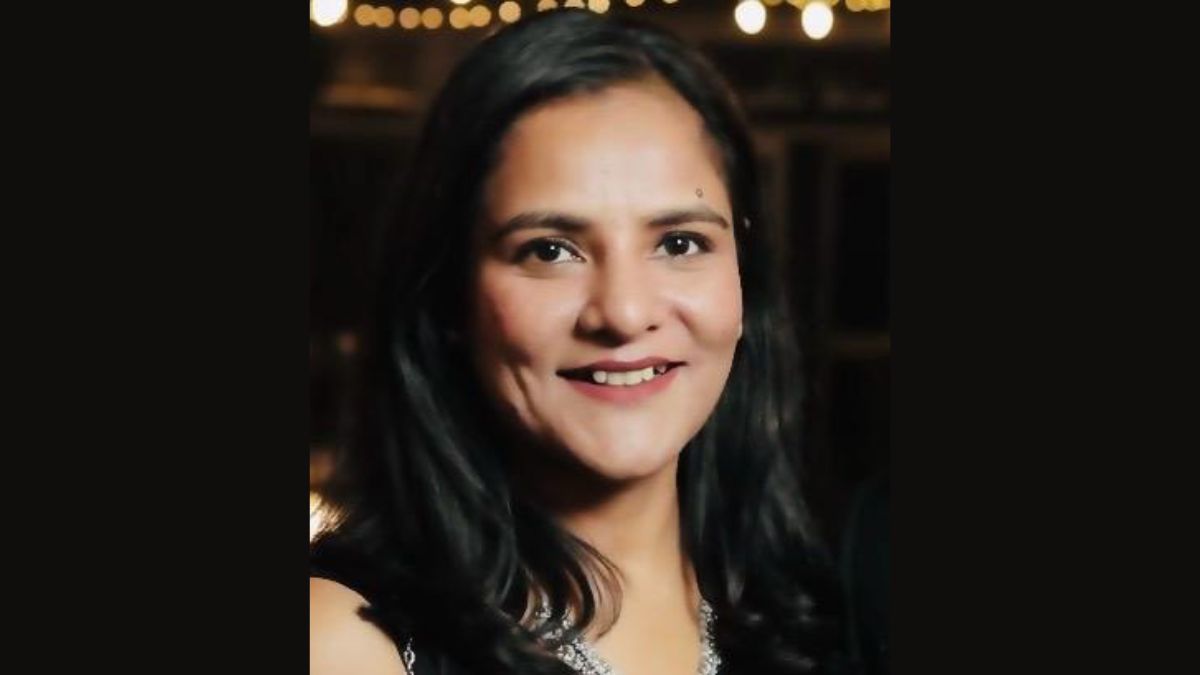
Ahmedabad, Gujarat — As the Reserve Bank of India (RBI) decided to keep the policy repo rate unchanged at 5.5% during its August review, HDFC Bank’s Principal Economist Sakshi Gupta offered a cautious yet insightful perspective on the central bank’s move and the road ahead for the Indian economy.
“The RBI is clearly walking a tightrope,” Gupta said. “While inflation has eased, the impact of elevated tariffs and weak global cues means the central bank is not ready to ease rates further just yet.”
The Monetary Policy Committee (MPC) voted unanimously to maintain the repo rate and retained its neutral policy stance, indicating flexibility for either direction depending on future data. This signals that while the door for rate cuts isn’t entirely closed, the bar for further easing has become higher.
Gupta pointed out that despite the moderation in inflation projections, the RBI is more concerned about growth headwinds in the coming quarters, particularly from tariff-related disruptions, a slowdown in exports, and delays in private investment.
“There is room for a 25-50 basis point rate cut later in the year if downside growth risks materialize,” she added. “However, that would likely require a sharper-than-expected deterioration in domestic demand or a deeper global slowdown.”
HDFC Bank currently forecasts India’s GDP growth at 6.3% for FY26, slightly below the RBI’s projection of 6.5%. Gupta warned that if current tariff levels persist or worsen, GDP growth could face a downside risk of 20-25 bps, especially as MSMEs and exporters face rising costs and global uncertainty.
She also highlighted a mixed macro backdrop – with positive signals like improved rural activity, frontloaded government spending, and a weaker rupee supporting growth, while capital expenditure delays, cautious hiring, and higher import costs weigh on the outlook.
Gupta believes that the October policy will be key, depending on how growth and external factors evolve.
“If the tariff situation turns decisively negative, RBI may be forced to revisit its current stance,” she noted.
For now, the RBI has chosen stability over stimulus. But as Sakshi Gupta rightly points out, India’s economic narrative in FY26 may yet be rewritten by global uncertainties, policy trade-offs, and domestic resilience.
Advertisement
