





Polyester Price Rise Pushes Surat Textile Industry Towards Diversification
SURAT : A ₹26.50-per-kg jump in polyester staple fibre (PSF) prices in just over two months has put South Gujarat’s textile industry under fresh cost pressure. But industry experts say the sharp...

SURAT : A ₹26.50-per-kg jump in polyester staple fibre (PSF) prices in just over two months has put South Gujarat’s textile industry under fresh cost pressure. But industry experts say the sharp increase should also be treated as a warning to reduce dependence on a single fibre and accelerate the shift towards diversification, value addition and technical textiles.
PSF prices rose by ₹8.50 per kg in July, ₹4 in August and another ₹14 up to September 11, taking the cumulative increase to around ₹26.50 per kg.
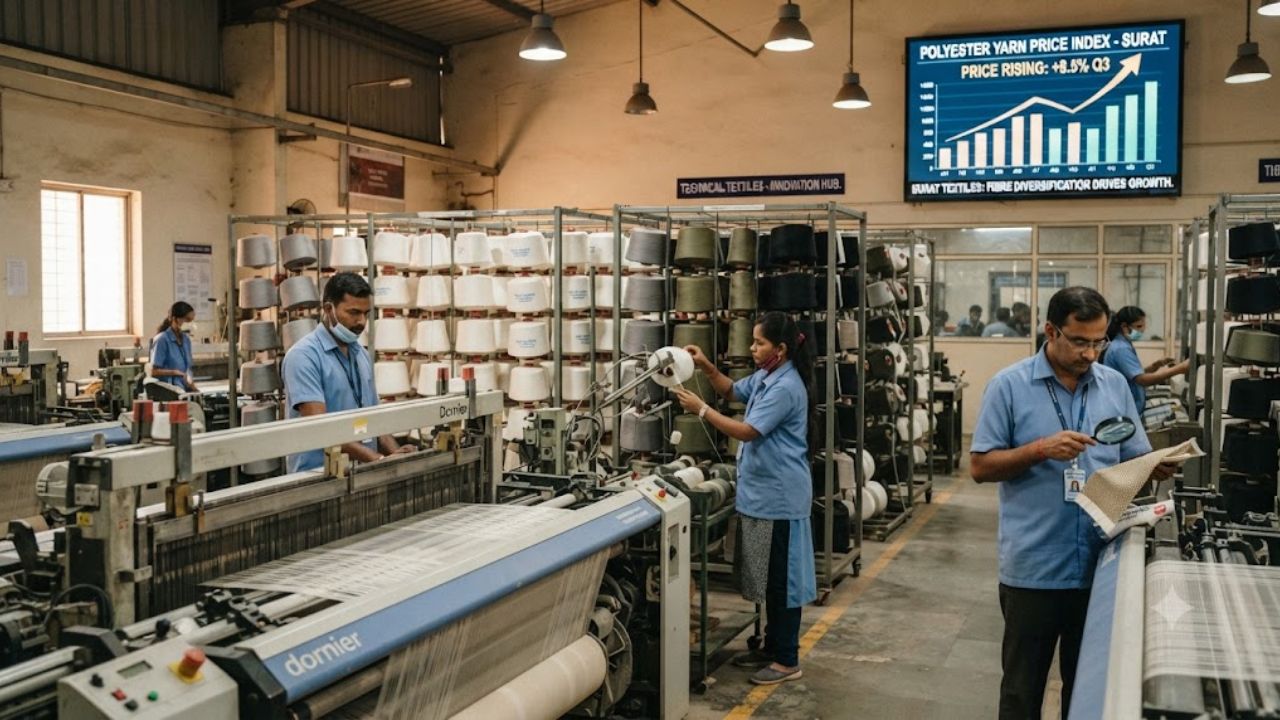
The impact is spreading across the textile value chain, from spinning and weaving to dyeing, printing, finishing, garmenting and trading. Small and medium enterprises face the biggest pressure because many operate on low margins and have limited bargaining power.
For a unit using 100,000 kg of fibre or yarn every month, the latest increase alone could add about ₹26.50 lakh to monthly raw material costs.
Pankaj Gandhi of MANTRA said the industry should look beyond the immediate cost shock.
“Instead of viewing sudden and persistent fluctuations in polyester prices merely as a problem of rising costs, the textile industry in South Gujarat should regard this as a signal to move towards diversification and value addition,” Gandhi said.
He stressed that polyester will remain important but argued for a multi-fibre model involving viscose, modal, lyocell, Bemberg/Cupro, recycled fibres, bio-based fibres and other new-age materials.
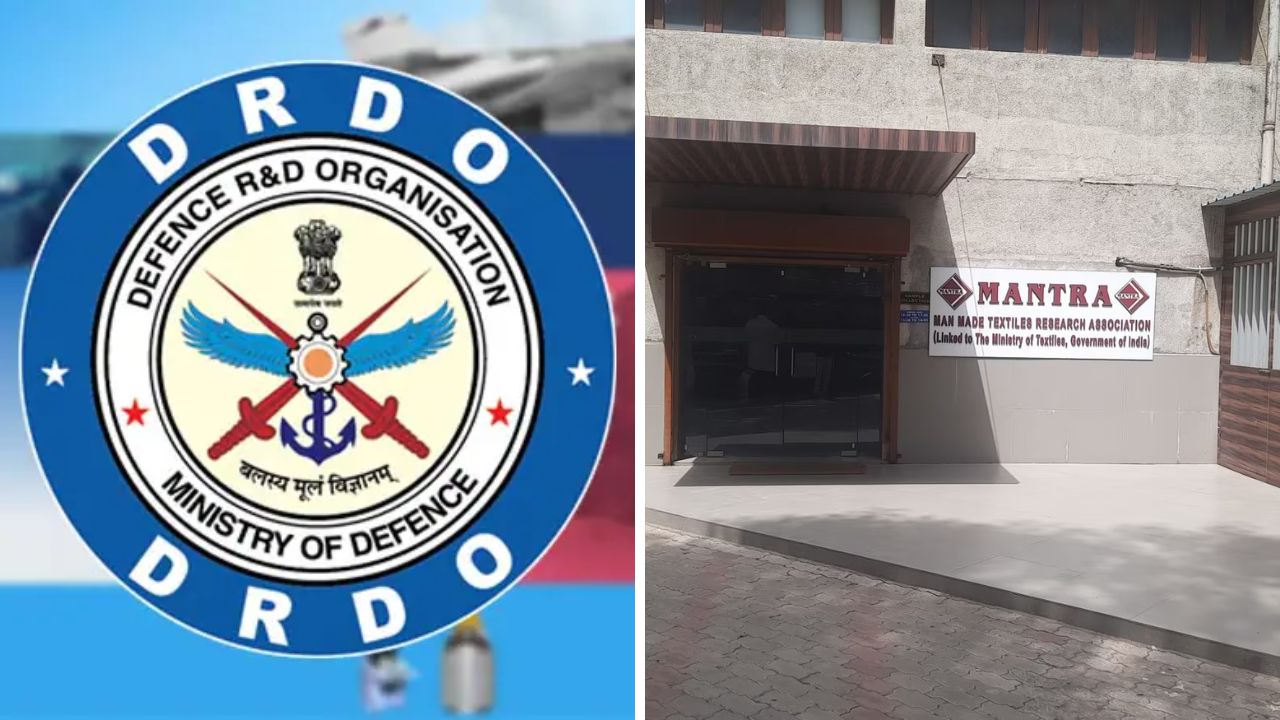
MANTRA, a research organisation associated with the Ministry of Textiles, is working on new fibres, sustainable materials and their textile applications. The research covers the value chain from fibre and yarn to fabric, processing, functionalisation and end-use products.
“The development of new-age fibres is not merely a subject of laboratory research. The entire value chain must move forward in unison,” Gandhi said.
Experts also see an opportunity to move Surat beyond commodity fabrics. Antimicrobial, UV-protective, moisture-management, flame-retardant, filtration, medical, automotive and agro-textiles could offer higher value per kilogram.
“South Gujarat must now move beyond producing cheap fabric and producing more fabric and learn to produce high-value fabric,” Gandhi said.
For small weavers, yarn banks could provide collective buying power, better inventory planning and access to alternative fibres. Cooperative societies, producer companies and cluster-based SPVs could further support shared testing, research, design, branding and exports.
Gandhi said the “Made in Surat” identity should increasingly represent sustainable, functional, innovative and technical textiles.
The polyester price surge, therefore, presents both a cost challenge and a potential turning point for South Gujarat’s textile economy.