





Jantar Mantar Shut for Protests, Delhi Gets Three New Venues
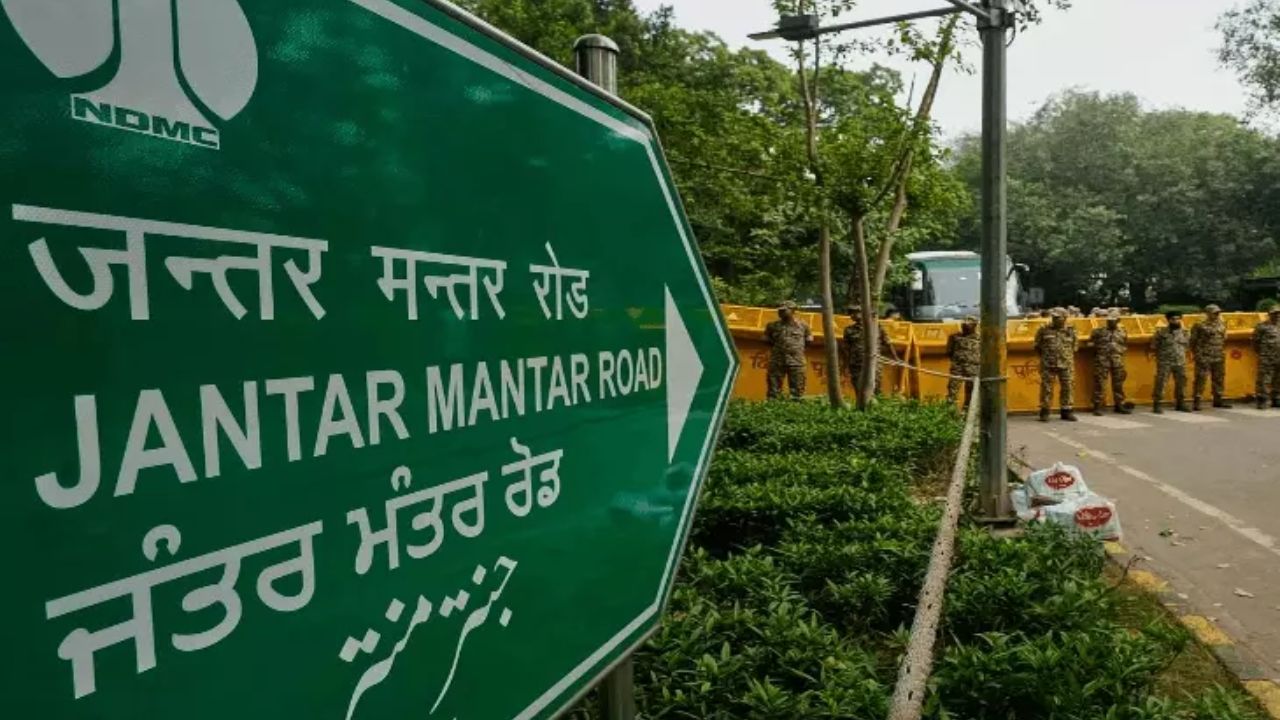
NEW DELHI: Delhi’s decades-old protest landmark, Jantar Mantar, has been struck off the list of designated demonstration sites, marking a major shift in where citizens can gather to voice dissent in...

NEW DELHI: Delhi’s decades-old protest landmark, Jantar Mantar, has been struck off the list of designated demonstration sites, marking a major shift in where citizens can gather to voice dissent in the national capital. The move comes amid heightened tensions over the proposed protest by the Cockroach Janata Party (CJP), which sought the resignation of Chief Election Commissioner Gyanesh Kumar and a halt to the Special Intensive Revision (SIR) of electoral rolls.
Following recommendations from a committee constituted by the Union Ministry of Home Affairs (MHA), Delhi Police has designated three alternative venues: Ramlila Maidan, Burari Ground and CBD Ground in East Delhi. A revised standard operating procedure (SOP) detailing the rules for demonstrations at these locations is expected to follow.
The CJP’s request to hold its protest at Jantar Mantar on Monday was denied by police. The development comes after the organisation’s earlier agitation over the NEET paper leak issue, held from June 20 to July 25, brought the protest site into the spotlight.
Traffic, security concerns behind shift
Jantar Mantar, located around 1.5 km from Parliament, has frequently witnessed demonstrations that have triggered traffic restrictions and security deployments. Authorities have also faced concerns over access to nearby hospitals, schools and essential services.
The Supreme Court on October 9 called for a larger, better-equipped venue where people could exercise their democratic right to protest without compromising public safety or disrupting residents’ lives. The court stressed the need for basic facilities, including drinking water, toilets and medical assistance.
A protest hub since 1993
Jantar Mantar emerged as a prominent protest venue in 1993 after restrictions were imposed on demonstrations at the Boat Club near Parliament. Over the decades, it became a familiar gathering point for political parties, civil society groups and activists seeking to draw the government’s attention to public grievances.
In 2017, the National Green Tribunal ordered restrictions on protests at the site following complaints from residents about noise and sanitation. The Supreme Court subsequently favoured regulated demonstrations rather than a blanket ban in 2018.
The latest decision relocates demonstrations to designated grounds farther from central Delhi’s political hub. The revised SOP will clarify the procedures governing protests at the new venues.