







Gujarat Plans Rs.50 Crore Bio-Manufacturing Push Amid Fertiliser Crisis
GANDHINAGAR: Rising geopolitical tensions in West Asia have exposed the risks of relying on global fertiliser supply chains. Gujarat is now planning a ₹50-crore bio-manufacturing initiative to...

GANDHINAGAR: Rising geopolitical tensions in West Asia have exposed the risks of relying on global fertiliser supply chains. Gujarat is now planning a ₹50-crore bio-manufacturing initiative to strengthen agricultural security, promote indigenous technologies and reduce dependence on conventional farm inputs.
The Gujarat State Biotechnology Mission (GSBTM), under the Department of Science and Technology, will develop the proposed ecosystem over five years. The initiative aims to connect research institutions, startups, manufacturers, cooperatives and farmers to develop biological alternatives for agriculture.
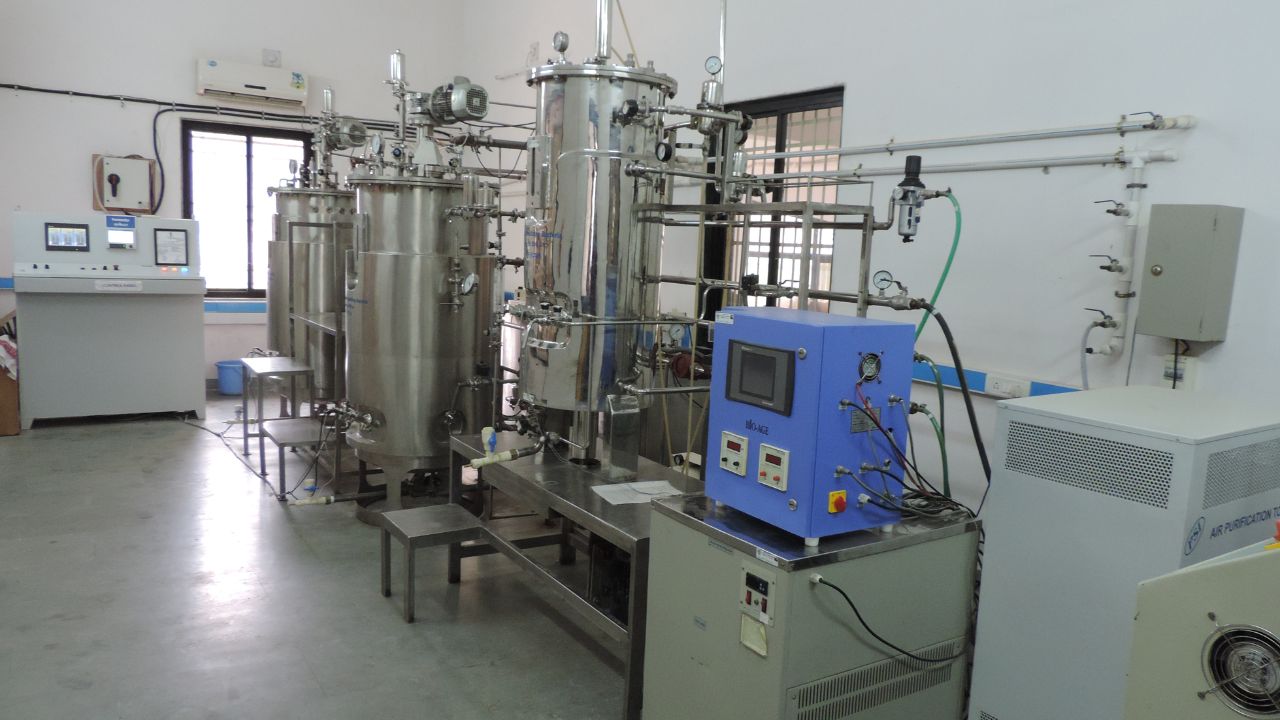
An MoU between GSBTM and Anand Agricultural University (AAU) will be signed in Bhavnagar on October 9 to establish bio-manufacturing facilities for biofertilisers and biopesticides. Science and Technology Minister Arjun Modhwadia and Agriculture Minister Jitu Vaghani will be present.
West Asia crisis drives push for alternatives
The conflict in West Asia has highlighted how geopolitical tensions can disrupt energy supplies, shipping routes and agricultural inputs. Natural gas is a key raw material for nitrogen fertilisers, while phosphate and potash supplies depend on mineral resources concentrated in specific regions.
For farmers, delays in fertiliser supplies can affect crop growth, productivity and cultivation costs.
The proposed initiative aims to diversify agricultural inputs through biofertilisers, biostimulants and microbial technologies. Conventional fertilisers will remain important, but biological products could improve nutrient efficiency and support soil health.
Gujarat targets 5,000 microbial strains
Anand Agricultural University will provide the scientific foundation for the proposed ecosystem. The university has developed biofertiliser technologies using microorganisms such as Rhizobium, Azotobacter and Azospirillum.
AAU produced and sold around 42 lakh litres of biofertiliser products up to 2024-25, covering nearly 42 lakh hectares.
The proposed programme will establish a central microbial repository and pilot-scale manufacturing facility at the university. It aims to conserve more than 5,000 native microbial strains, sequence over 500 strains and develop more than 10 new biological formulations.
A digital Gujarat Bio-Strain Database will also support research and product development.
₹13 crore for startups and small businesses
The initiative will focus on four key areas: microbial research, startup manufacturing, field validation and large-scale cooperative production.
A proposed allocation of ₹13 crore will support startups, micro, small and medium enterprises, cooperatives and Farmer Producer Organisations in developing manufacturing capabilities.
Another ₹9 crore is proposed for field trials and farmer demonstrations across Gujarat’s different agro-climatic regions. This will help researchers assess product performance under real farming conditions.
The programme also proposes automated fermentation, formulation and packaging facilities through cooperative partners, including AMUL, Banas, SUMUL and KRIBHCO.
Focus on farm-level adoption
The initiative seeks to connect laboratory research with commercial production and farmer adoption. Agricultural universities will support research and field testing, while startups and manufacturers will help scale up successful products.
If implemented effectively, the ₹50-crore programme could strengthen Gujarat’s biotechnology sector and expand domestic agricultural-input options. Its success, however, will depend on the affordability, quality and field performance of the products developed under the initiative.