
Gujarat : Congress-Backed Candidate Wins Vasudhara Dairy Chairman Post
BJP-mandated nominee secures only 4 of 14 votes as cooperative board delivers decisive verdict against party influence

Advertisement
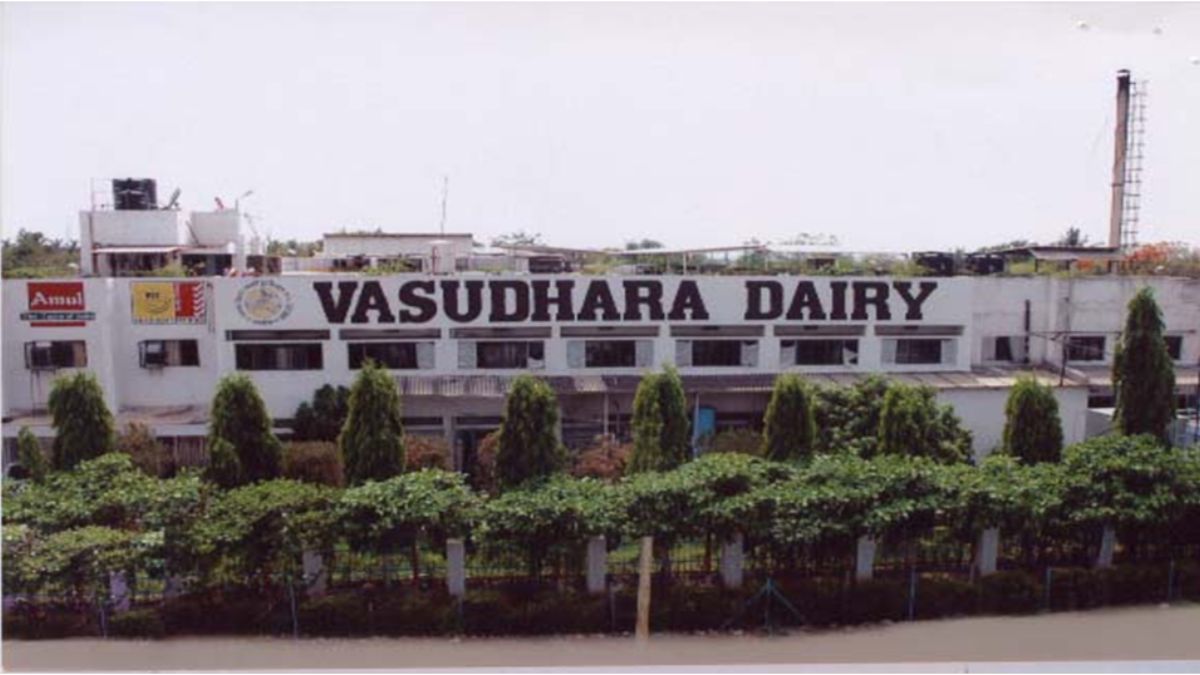
Navsari | Gujarat — In a major blow to the newly elected president of the Bharatiya Janata Party (BJP) in Gujarat, Jagdish Vishwakarma (Panchal), the Congress backed candidate was elected as the chairman of Vasudhara dairy in Navsari after the BJP-mandated candidate, Kishore Patel, failed to convince a majority of the board, securing the support of only 4 of the 14 directors.
In local cooperative elections, it is often assumed that a candidate with the official backing—the “mandate”—of a major political party holds a decisive advantage. The organizational strength and political influence of a party like the BJP are typically seen as powerful assets that can secure victory. However, the recent election for the chairman of the Vashudhara Dairy in Navsari has provided a compelling counter-narrative.
The central outcome of the Vashudhara Dairy election was a significant political upset. Rajesh Patel was elected as the new chairman, defeating Kishore Patel, who was officially the BJP-mandated candidate for the position.
This defeat of a candidate with an official party mandate is a telling indicator of the cooperative’s internal priorities.
The Winning Margins Weren’t Close
The results for both the chairman and vice chairman positions were not narrow wins; they were comprehensive repudiations of the party-backed ticket, signaling a deeply unified bloc within the board operating independently of external political pressure.
The 10-4 split in the chairman’s race was mirrored in the election for the Vice Chairman position. This pattern of rejection was mirrored in the Vice Chairman’s race, where the opposing candidate, Sita Jadhav, received the backing of 9 directors, leaving the BJP-aligned side with just 5 votes. These were not simple preferences; they were decisive rebukes.
The defeat of a BJP-backed candidate in the Vashudhara Dairy election represents a vivid and consequential rejection of external party influence. It highlights a scenario where the internal consensus of a cooperative’s leadership proved more powerful than a major political party’s mandate. While it is a single election, the decisive nature of the outcome makes it a notable event.
Does this result at a local dairy cooperative signal a broader trend where internal governance priorities are beginning to outweigh the influence of national party politics?
Advertisement
