
Child Marriage in Gujarat : How Law and Community Saved 16-Year-Old Jigna
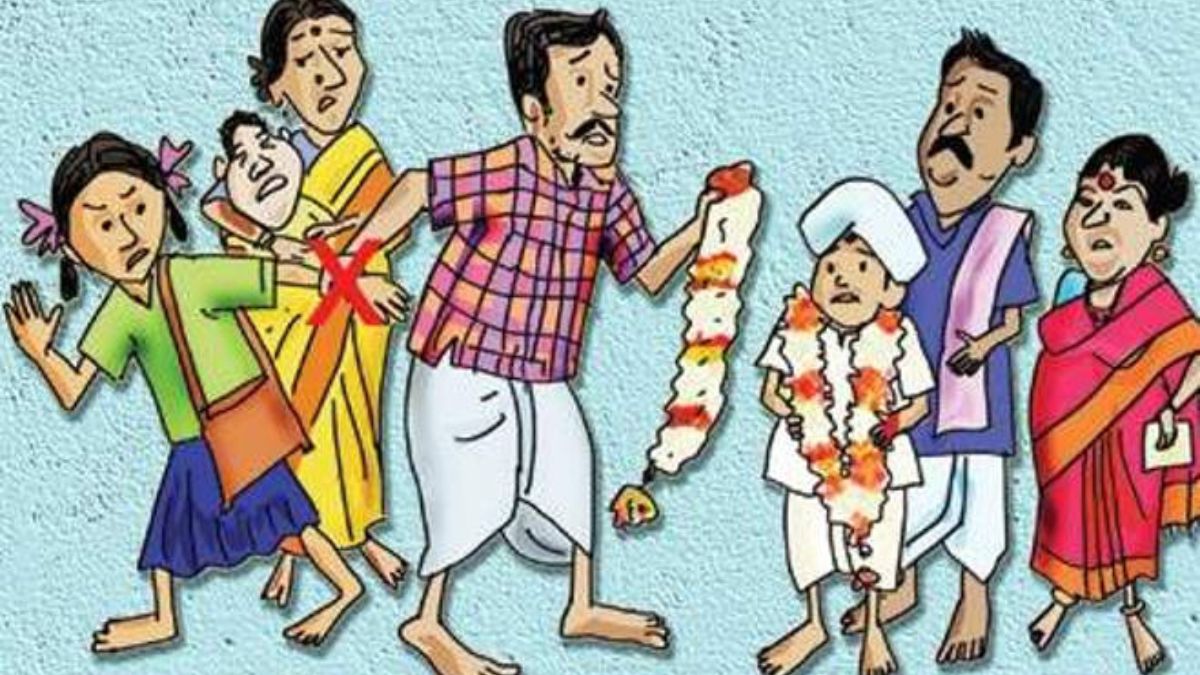
Tappu, a 23-year-old from a village in Narmada district, Gujarat lived with his widowed mother and 16-year-old sister, Jigna. With no savings or ancestral property, their survival often hung by a thread. So, when a distant relative brought a marriage proposal for Jigna, Tappu seized the chance. To him, getting Jigna married meant freedom to marry himself. He never paused to consider that Jigna, just 16, was neither legally nor emotionally ready for marriage.

Advertisement
Narmada | Gujarat — Many of Tappu’s (name changed) friends were already married. Some even spoke about becoming fathers soon. Each time he saw them getting calls from their wives, he felt like a misfit. Since his father’s death three years ago, Tappu’s life had revolved around earning for his family and caring for his mother and younger sister, Jigna (name changed). Grief and responsibility had hardened him, filling him with a simmering anger at the world.
Tappu, a 23-year-old from a village in Narmada district, Gujarat lived with his widowed mother and 16-year-old sister, Jigna. With no savings or ancestral property, their survival often hung by a thread. So, when a distant relative brought a marriage proposal for Jigna, Tappu seized the chance. To him, getting Jigna married meant freedom to marry himself. He never paused to consider that Jigna, just 16, was neither legally nor emotionally ready for marriage.
He convinced his mother, who was dependent on him, that this was the best option. “Jigna kept crying and insisting she didn’t want to get married, but no one paid attention,” recalled Ramesh Kasondra, Director of Gram Vikas Trust, an NGO partner of Just Rights for Children (JRC) that works in Gujarat for child protection and child rights.
During a routine village visit, ASHA worker Jyotsnaben Vasava came to know of the impending wedding. Jigna’s engagement had already taken place. She immediately informed the Gram Vikas Trust team, who in turn alerted local authorities. Together with the Aanganwadi worker and village sarpanch, they visited Jigna’s home, verified her age, and explained the law to her family.
“Surprisingly, her brother was unaware of the legal age of marriage or that he could even face jail for marrying off his sister before 18,” Ramesh said. Initially, Tappu resisted, citing social pressure and family responsibilities. But after repeated counseling by the NGO team, the sarpanch, and the District Child Protection Officer (DCPO), he relented. The family finally gave a written assurance that Jigna would not be married until she turned 18. The groom’s family also accepted the decision.
Members of Gram Vikas Trust are now counselling Jigna for her future. She is confident, happy, and participates in community meetings to encourage other girls. “I want every girl in my village to know that she is valuable and capable,” she says. “Early marriage only takes away opportunities.” Her brother, once unaware of the law, is now determined that no child in their family will be married before the legal age.
“Often when we intervene to stop a child marriage, we have to face a lot of resistance which stems from their complete ignorance of the laws. They are unaware that they could be jailed and fined for arranging or even attending a child marriage. So besides legal intervention, we ensure that community awareness about the laws against child marriage is also enhanced and optimized,” stated Ramesh Kasondra. Gram Vikas Trust, with Just Rights for Children, has been working in Narmada district to prevent child marriages and spread awareness about the Prohibition of Child Marriage Act, 2006. The project operates in 50 villages, engaging with parents, youth, community leaders, and service providers to protect children’s rights.
This case shows how community awareness, collective action, and persistent counselling can change mindsets and protect a child’s future. Notably, while Gujarat’s child marriage rate (21.8 percent) is lower than the national average (23.3 percent), Narmada district stands higher at 29.5 percent making such interventions even more urgent.
Advertisement
