



Featured
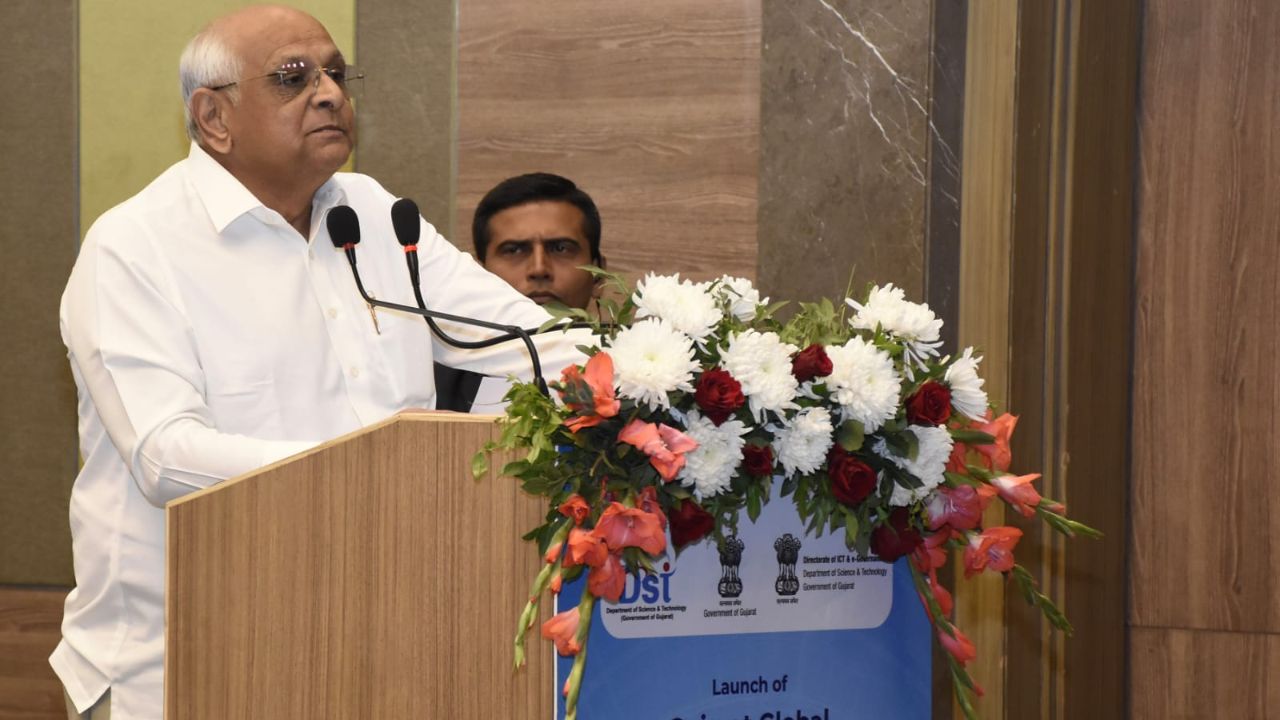
Gujarat GCC Policy 2025-30, the blunt times
Gujarat Rolls Out Digital Roadmap to Attract Global Capability Centres
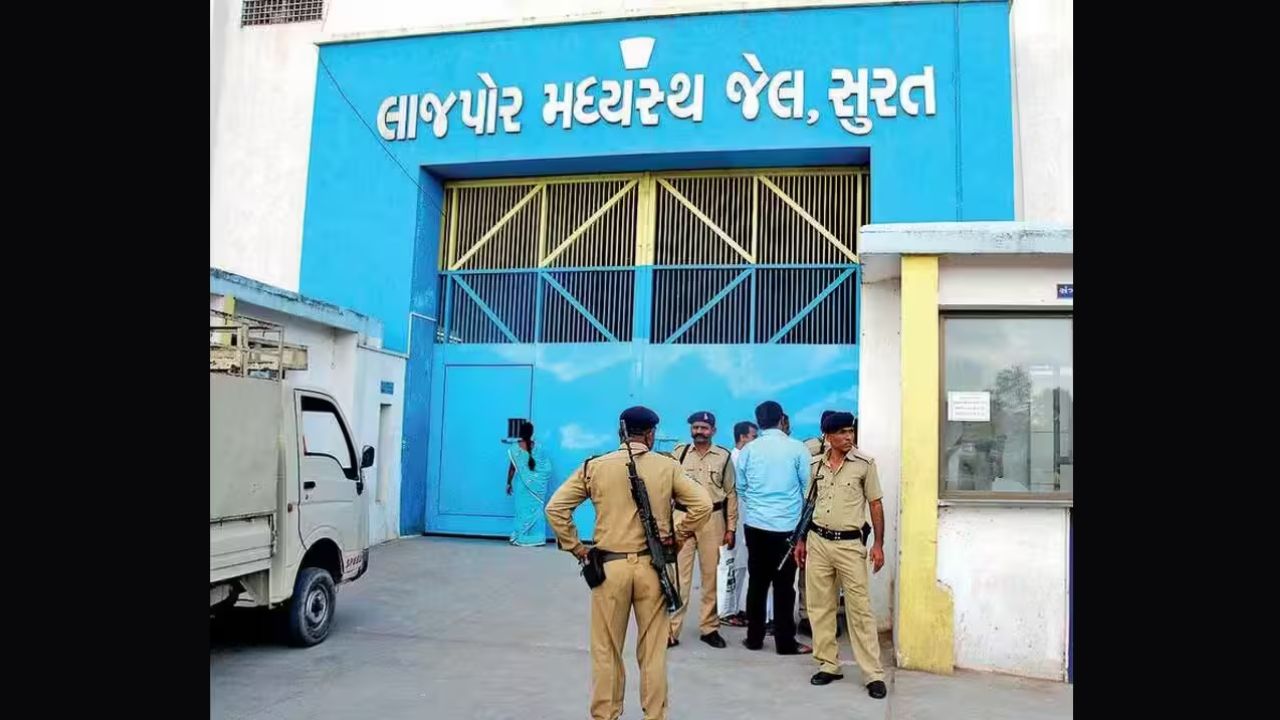
Lajpore Central Jail mobile seizure Surat, the blunt times
Surat Lajpore Jail Raid Unearths 11 Contraband Mobile Phones
Ahmedabad student murder, the blunt times
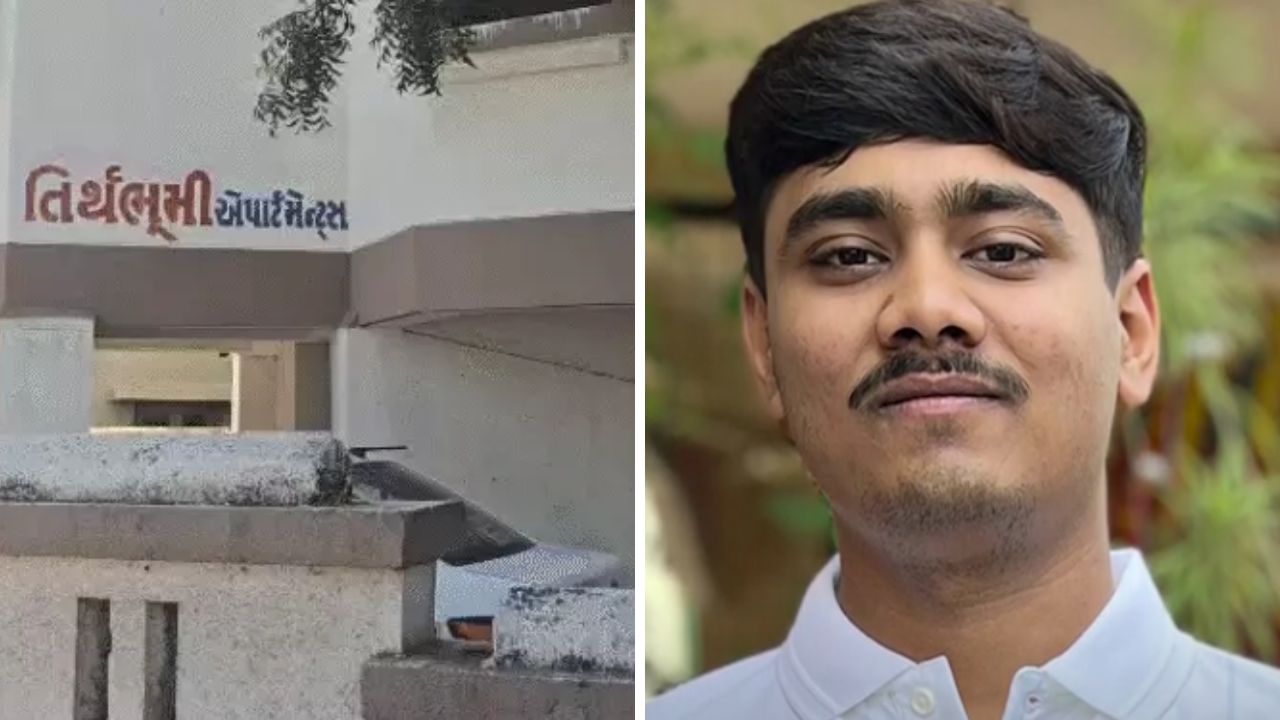
Ahmedabad Student Beaten to Death, Found Naked in Apartment Compound
October 3, 2026
The Blunt Times The Blunt Times
  • National
  • City Events
  • Business Vibes
  • Education
  • Entertainment
  • Regional
    • Bharuch
    • Dang
    • Navsari
    • Surat
    • Valsad
    • Hindi
    • Gujarati
  • Health
  • Crime corner
  • Sports
  • Spotlight
Search the Site
Popular Searches:
Chatgpt Nasa Halloween
Recent Posts
APL Forteasia Cup 2026 Begins in Faridabad With 18 Teams-TBT
APL Forteasia Cup 2026 Begins in Faridabad With 18 Teams
October 3, 2026
Sabari Constructions
Sabari Constructions Technologies Limited Filed DRHP With NSE Emerge
October 3, 2026
Dr Pankaj Gandhi Technical Textiles, the blunt times
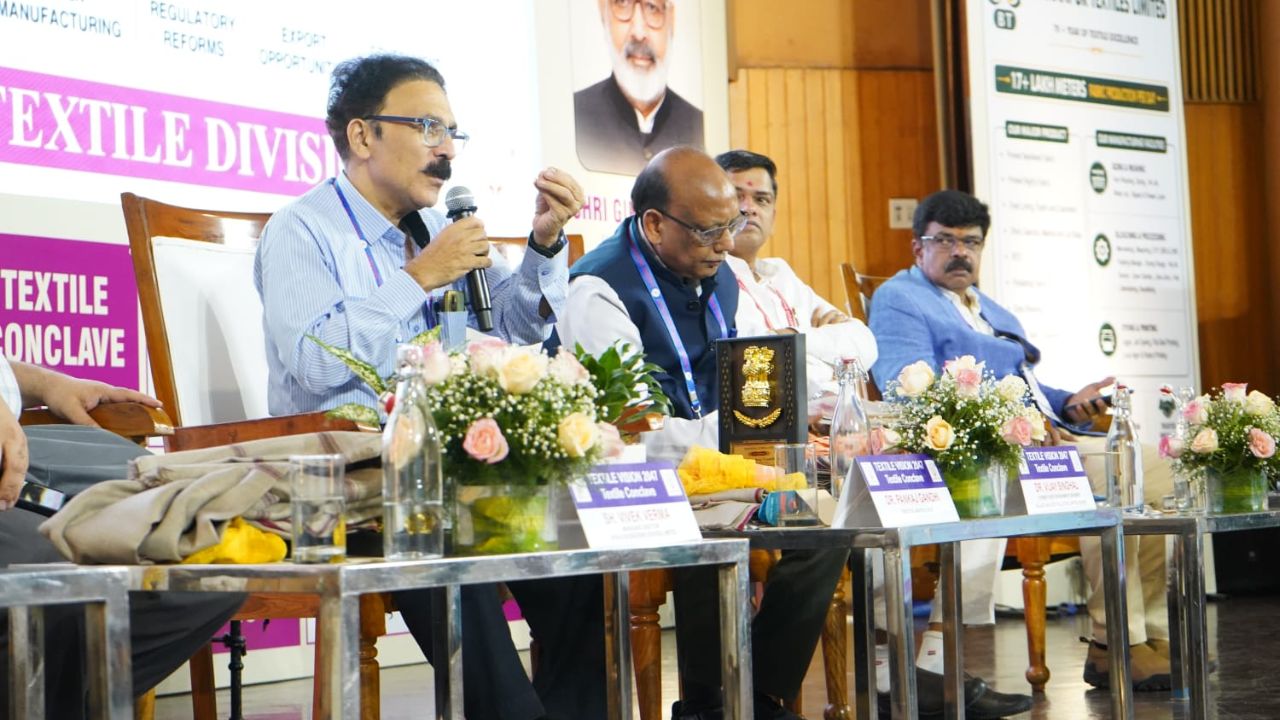
Dr Pankaj Gandhi Highlights Technical Textiles at Delhi Conclave
October 3, 2026
The Blunt Times The Blunt Times
  • National
  • City Events
  • Business Vibes
  • Education
  • Entertainment
  • Regional
    • Bharuch
    • Dang
    • Navsari
    • Surat
    • Valsad
    • Hindi
    • Gujarati
  • Health
  • Crime corner
  • Sports
  • Spotlight
Follow us
Prachay Capital
Home/Business Vibes/Beyond Tax Breaks: Budget 2026 Redefines India’s Fiscal Mindset
Business VibesOpinion

Beyond Tax Breaks: Budget 2026 Redefines India’s Fiscal Mindset

The Union Budget 2026 has seen mixed reactions from various sources.  As a finance entrepreneur, Girish Lakhotiya explains what you should know about the annual exercise. Simply put, the Union Budget...

TBT Online Desk
February 4, 2026 3 Min Read

The Union Budget 2026 has seen mixed reactions from various sources.  As a finance entrepreneur, Girish Lakhotiya explains what you should know about the annual exercise.

Simply put, the Union Budget is the government’s annual plan.

It explains how money will be raised – through taxes and borrowings and how it will be spent for the welfare of citizens.

In India, the word “Budget” is familiar to everyone.

For decades, it was an event people waited for eagerly.

What will become cheaper?
What will become costlier?
Who gains and who loses?

From the middle class to large business houses, the Budget affected daily life.

It was largely seen as a price signal – a once-a-year reset button.

But that idea has been changing.

Union Budget 2026 marks the moment when this change becomes clearly visible.

The Budget’s Quiet Evolution

This shift did not happen overnight.

Early on, this government signalled that it wanted to change how budgets work.

One symbolic but important step was merging the Railway Budget with the main Union Budget. Earlier, the Railway Budget was presented separately and often became a tool of political bargaining. Its merger removed that distortion and brought transparency and discipline.

Another major change came with the creation of the GST Council.

Indirect tax decisions moved away from dramatic Budget announcements to a rules-based, federal system. Tax rates stopped being yearly political surprises and became outcomes of a structured process.

Slowly, the Union Budget stopped being the main source of tax shocks and giveaways.
Governance, institutions, and long-term thinking began to matter more than annual tinkering.

Budget 2026 is the logical outcome of this journey.

What Makes Budget 2026 Different

Traditionally, every Budget answered two questions:

  1. How will the government raise money?
  2. How will it spend that money?

Budget 2026 begins somewhere else.

For the first time, the Finance Minister framed the Budget around three clearly stated Kartavya (duties):

  1. Accelerate and sustain economic growth
  2. Fulfil the aspirations of our people
  3. Advance the vision of Sabka Sath, Sabka Vikas

These are not slogans placed for effect.

Each Kartavya is linked to measurable outcomes, focused capital allocation, and institutional responsibility.

This is important because it changes the role of the Budget itself.
The Budget moves from being only a fiscal document to becoming a governance framework.
When objectives are clearly defined, policy stops reacting to headlines.

It starts moving with direction.

From Accounting to Architecture

Every great nation begins with vision.

When Dubai was being built, the process did not start with tax breaks or subsidies. It started with a long-term vision, followed by infrastructure creation, regulatory clarity, and capital mobilisation. The State acted as an architect, not a micromanager.

Budget 2026 reflects elements of that thinking.
The government is not trying to run markets.
It is trying to design conditions where markets, cities, and citizens can scale responsibly.
India today needs more than annual adjustments.

It needs clarity on where it wants to stand in global capital markets, how cities will finance their growth, and how household savings can participate in nation-building.

Once that vision is clearly stated, annual budgets naturally become execution documents – not political spectacles.

The Bottom Line

Union Budget 2026 marks a clear shift in fiscal philosophy.
From revenue and expenditure to vision and outcomes.
From yearly accounting to national Kartavya.
This is not a populist Budget.
It is a directional one.

For a $5-trillion-plus economy with long-term ambitions, the real question is no longer what the Budget gives you this year.

The real question is whether it prepares India to compete and lead – a decade from now.

That distinction matters far more than any single tax break or subsidy.

And it is a Budget mindset India has long needed.

About the Author

Girish Lakhotiya is the Chief Executive Officer of Prachay Capital, where he focuses on long-term capital strategy, policy analysis, and investment frameworks aligned with India’s growth trajectory. With a keen interest in fiscal policy, governance reforms, and macroeconomic trends, he offers insights on how institutional design, capital allocation, and regulatory clarity can shape India’s economic future and global positioning.

 Views expressed above are the author’s own and do not reflect the publication’s views.

Tags:

Girish LakhotiyaPrachay CapitalUnion Budget 2026

Share Article

“India-EU FTA – A landmark Agreement”- Chairman , MATEXIL-PNN
Previous Post

“India-EU FTA – A landmark Agreement”- Chairman , MATEXIL

Accumedic Introduces Personal Assistant–Led Model to Simplify Complex Patient Journeys-TBT
Next Post

Accumedic Introduces Personal Assistant–Led Model to Simplify Complex Patient Journeys

Picked
Surat embroidery workers protest, the blunt times
Surat Embroidery Workers Threaten ‘Gaon Chalo’ Before Diwali
Gujarat GCC Policy 2025-30, the blunt times
Gujarat Rolls Out Digital Roadmap to Attract Global Capability Centres
Lajpore Central Jail mobile seizure Surat, the blunt times
Surat Lajpore Jail Raid Unearths 11 Contraband Mobile Phones
Ahmedabad student murder, the blunt times
Ahmedabad Student Beaten to Death, Found Naked in Apartment Compound
72-step Garba in Surat Gujarat, the blunt times
Gujarat : 72-Step Garba Set to Spark New Navratri Trend in Surat
Karjan CNG car explosion Gujarat, the blunt times
Gujarat : CNG Car Explodes During Refuelling at Karjan Pump
Popular Posts
72-step Garba in Surat Gujarat, the blunt times
Gujarat : 72-Step Garba Set to Spark New Navratri Trend in Surat
By Times News Service
Karjan CNG car explosion Gujarat, the blunt times
Gujarat : CNG Car Explodes During Refuelling at Karjan Pump
By Times News Service
Food Wastage
How Is an App Helping Universities Reduce Food Wastage?
By TBT Online Desk
Shivani Sharma Foundation & Lion Club of Bombay Hilltop Bring Smiles to Elderly Women Through a Heartwarming Initiative-TBT
Shivani Sharma Foundation & Lion Club of Bombay Hilltop Bring Smiles to Elderly Women Through a Heartwarming Initiative
By TBT Online Desk
Smit Machchhar
Special Havan Organised in Surat for Capt. Smit Machchhar’s Complete Recovery
By TBT Online Desk
Top Free Forever Managed Vector Database Options as of October 2026
By TBT Online Desk

Read Next

AESL ₹4,700 crore Maharashtra transmission project, the blunt times
Business Vibes
AESL Wins Rs.4,700 Crore Maharashtra Power Project
August 26, 2026
2 Min Read
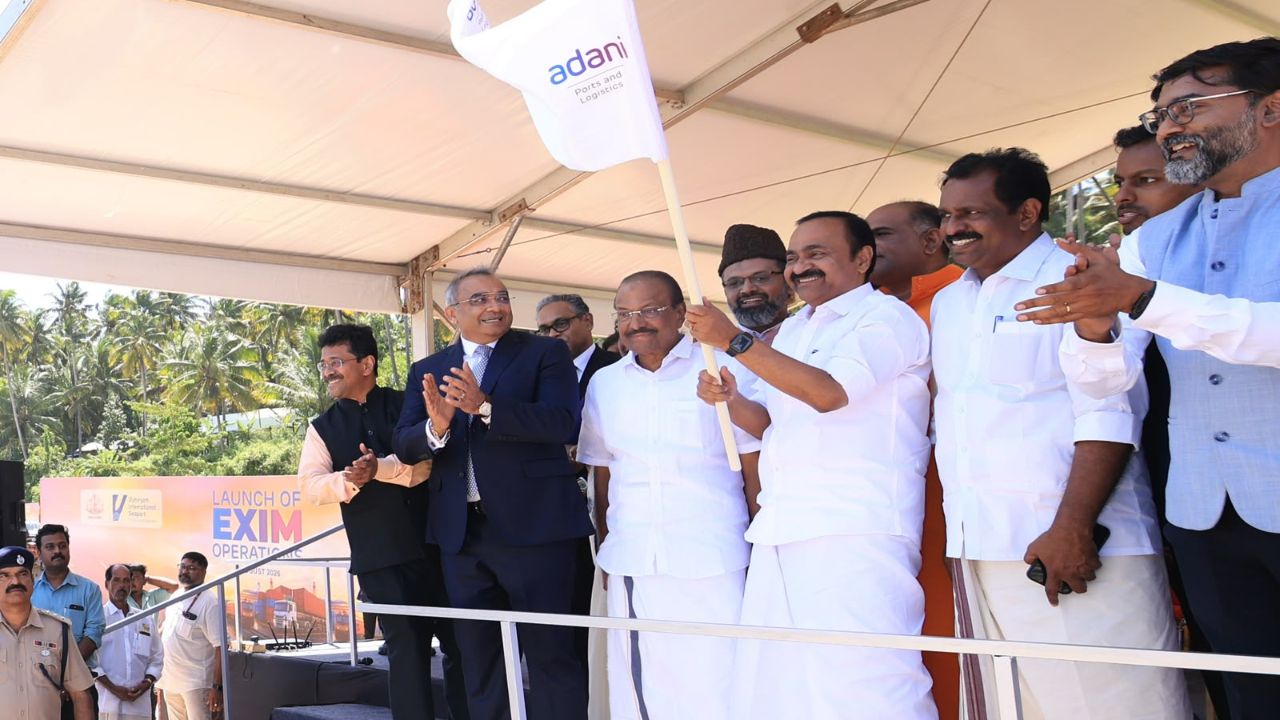
Vizhinjam International Seaport EXIM operations, the blunt times
Business Vibes
Vizhinjam Becomes New Gateway for India’s Global Trade
August 18, 2026
2 Min Read
JLite becomes Jainam App, the blunt times
Business Vibes
Jainam Rebrands JLite as Jainam App in Major Digital Identity Shift
June 15, 2026
2 Min Read
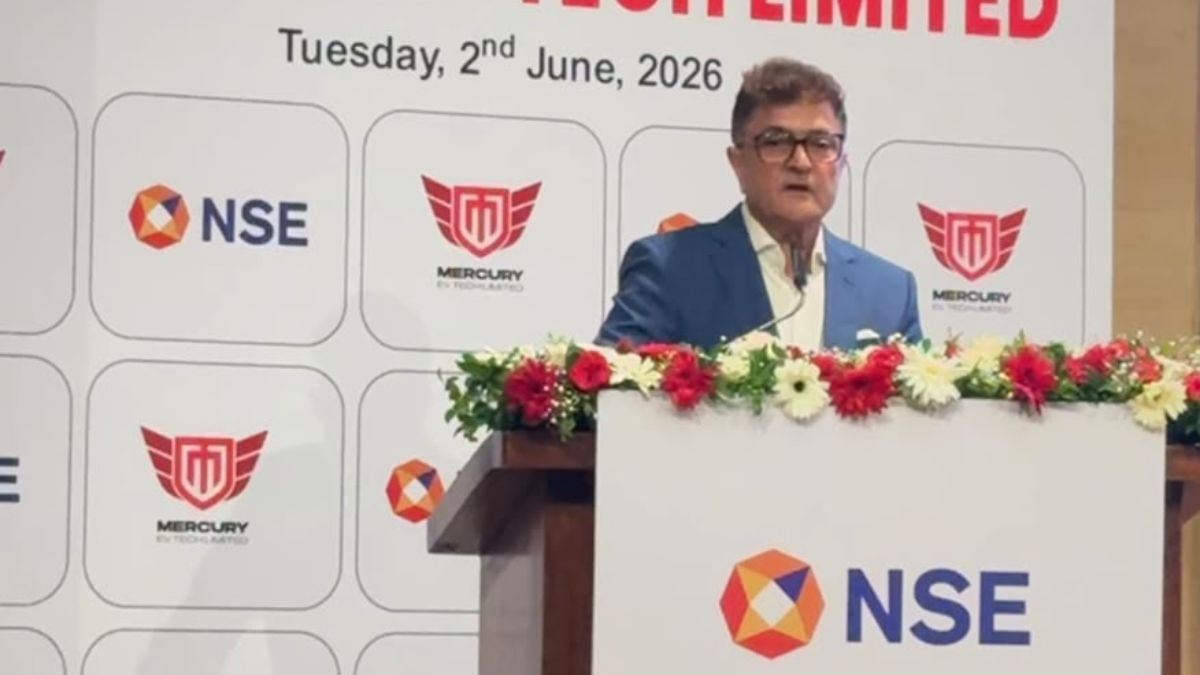
Mercury EV Tech NSE listing, the blunt times
Business Vibes
Gujarat : Mercury EV Tech makes strong NSE debut
June 2, 2026
2 Min Read
The Blunt Times

The Blunt Times is a 24-hour news portal from Surat and south Gujarat. It was launched by senior journalist Melvyn Thomas, who has over 21 years of experience working with the top news organizations such as The Indian Express, The Times of India, and The Economic Times.

Popular
Surat Embroidery Workers Threaten ‘Gaon Chalo’ Before Diwali
October 3, 2026
Gujarat Rolls Out Digital Roadmap to Attract Global Capability Centres
October 3, 2026
Surat Lajpore Jail Raid Unearths 11 Contraband Mobile Phones
October 3, 2026
Ahmedabad Student Beaten to Death, Found Naked in Apartment Compound
October 3, 2026
Categories
City Events
National
Business Vibes
Lifestyle
Business
Education
Entertainment
Spotlight
Regional
Health
Press Release
Sports

© 2026 All Rights Reserved, The Blunt Times

  • Terms of Service
  • Privacy Policy