





Adani Seeks New Infrastructure Rating Framework
MUMBAI: India’s infrastructure ambitions may be moving faster than the frameworks used to measure them. Adani Group Chairman Gautam Adani has urged CareEdge Group to develop what he described as the...

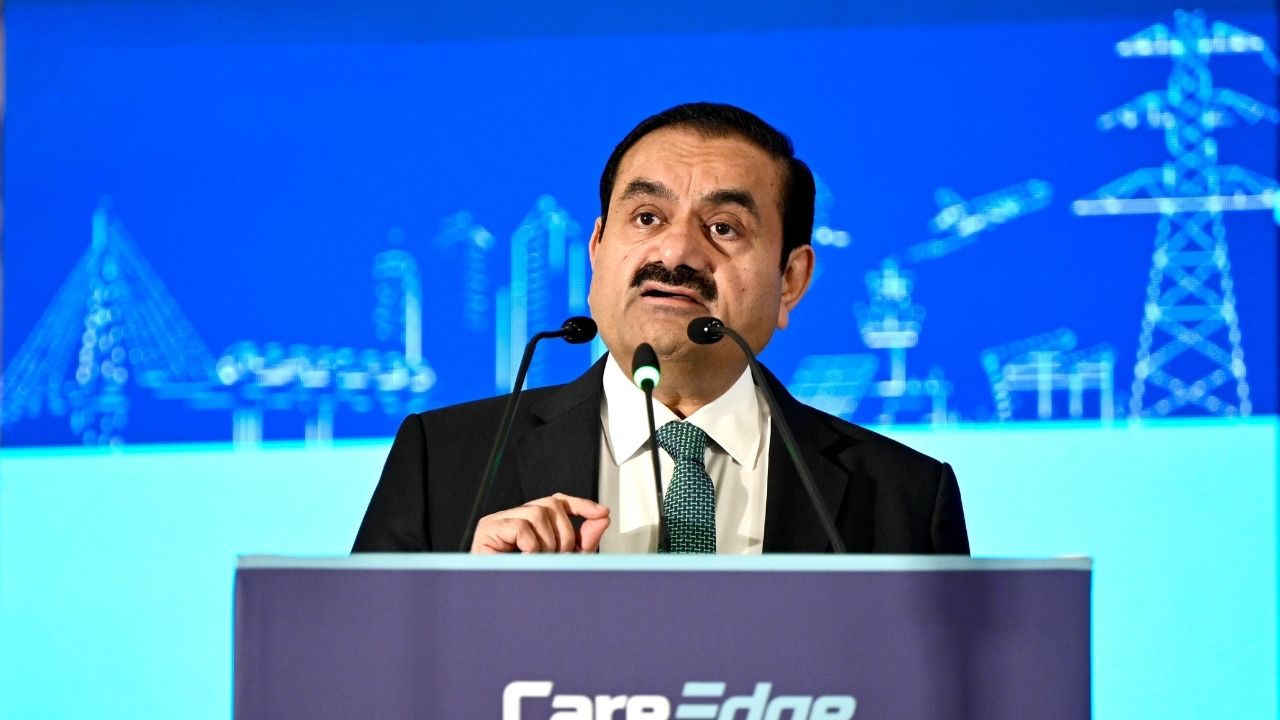
MUMBAI: India’s infrastructure ambitions may be moving faster than the frameworks used to measure them. Adani Group Chairman Gautam Adani has urged CareEdge Group to develop what he described as the world’s first comprehensive Credit Framework for Integrated Platform Infrastructure, arguing that conventional ratings may overlook the wider value created by transformational projects.
Speaking on the evolving infrastructure landscape, Adani said rating models must move beyond assessing assets in isolation and recognise the ecosystems, strategic resilience and new demand generated around them.
“We do not need lower standards but we need wider lenses,” Adani said, stressing that the proposal was not aimed at easier ratings or reduced scrutiny.
He cited Mundra port in Gujarat, Vizhinjam International Seaport in Kerala and the 30-GW renewable energy park at Khavda as examples of infrastructure whose impact extends well beyond their primary assets.
Mundra, he noted, has evolved from a port into an interconnected ecosystem involving rail, logistics, power and industrial activity. Vizhinjam, meanwhile, could strengthen India’s strategic autonomy by reducing dependence on overseas transhipment hubs.
Khavda represents another emerging model, bringing together renewable energy, manufacturing, artificial intelligence and digital infrastructure.
“The real value in today’s age is being created at the intersection, where ‘energy + data + manufacturing’ converge,” Adani said.
He argued that AI infrastructure would similarly require more than software and algorithms, with large-scale deployment dependent on data centres, cooling systems, transmission networks and reliable clean energy.
Adani proposed three categories—replacement, growth and platform infrastructure—with the latter requiring models capable of assessing ecosystem multipliers and adjacency value.
“A builder imagines what does not yet exist. An analyst questions whether imagination can survive reality. Both perspectives are necessary,” he said.
The proposed framework, if developed by CareEdge, could potentially offer a new benchmark for assessing integrated infrastructure projects in emerging economies.