





Surat Police to Use AI Solutions to Fight Cybercrime
SURAT: Gujarat is looking to turn student innovations into weapons against cybercrime. Deputy Chief Minister Harsh Sanghavi has called for AI-powered policing and a unified CCTV monitoring system...

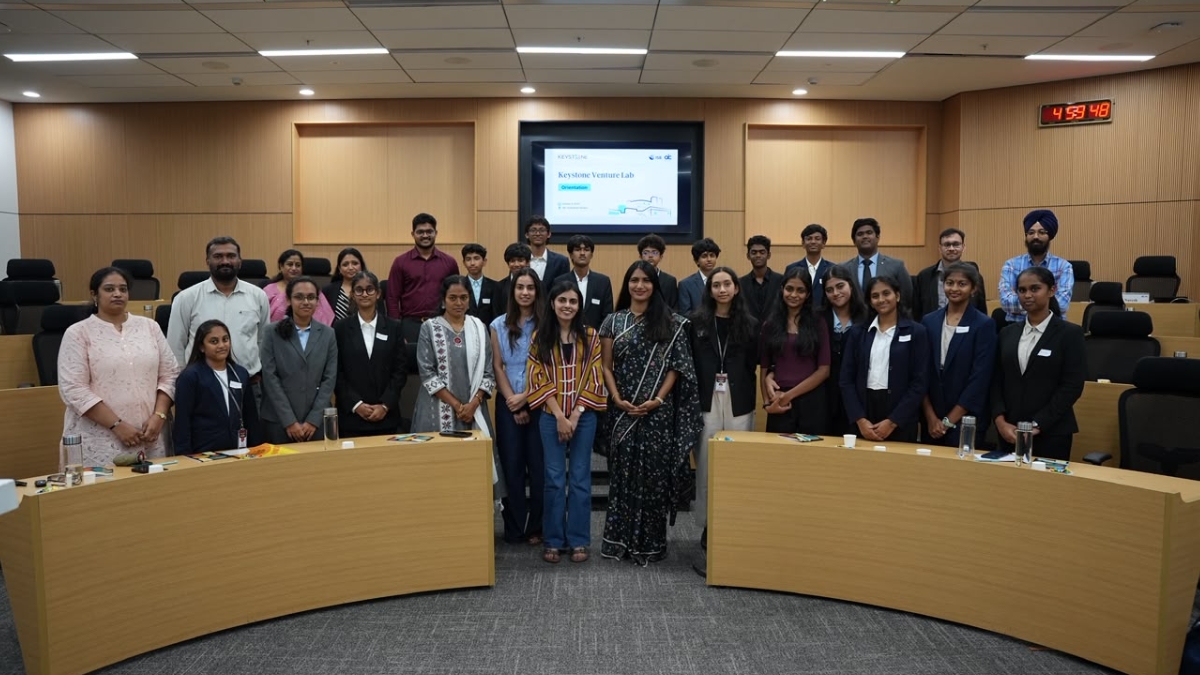
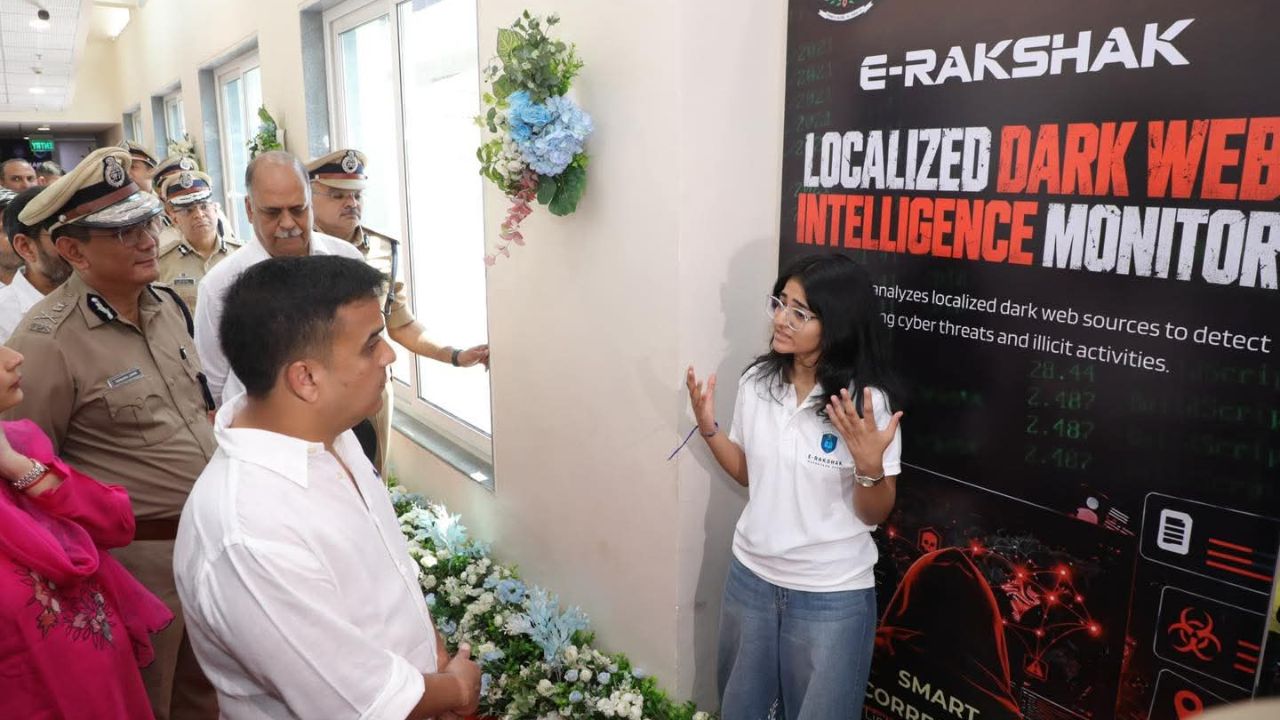
SURAT: Gujarat is looking to turn student innovations into weapons against cybercrime. Deputy Chief Minister Harsh Sanghavi has called for AI-powered policing and a unified CCTV monitoring system across the state, as 31 student teams showcased technology solutions at the e-Rakshak Hackathon in Surat.
The grand finale was organised jointly by Surat City Police and the NEXUS unit of Sardar Vallabhbhai National Institute of Technology (SVNIT).
More than 150 students from colleges affiliated with over 13 universities across six states participated in the final round. A total of 458 students had registered for the hackathon.
AI and CCTV to Improve Traffic Management
Sanghavi said technology could help address everyday public problems while reducing pressure on government systems.
He highlighted the potential of combining artificial intelligence with CCTV cameras to improve traffic management.
“Even saving 15 seconds at traffic signals can save precious time and fuel for millions of people,” he said.
He also outlined his vision of connecting CCTV cameras across Gujarat to a single dashboard. Such integration could help authorities monitor traffic and improve policing, depending on the solutions developed and deployed.
Students to Help Police Fight Cybercrime
The hackathon focused on practical solutions to cybersecurity challenges and police operations.
DCP (Cyber Crime) Vishakha Jain said organisers developed nine to 10 problem statements after surveying police stations. These reflected challenges faced by citizens and operational difficulties experienced by police personnel.
Police Commissioner Wabang Jamir said the initiative aimed to encourage innovation and strengthen digital security.
Sanghavi said promising student-developed solutions could support government processes, including FIR-related work and cybercrime investigations.
He also praised Surat Cyber Crime officials for breaking up national and international cybercrime networks.
Government Support for Startups
Sanghavi urged students to explore government schemes instead of limiting their engagement to social media discussions.
He highlighted startup support covering office rent, seed funding, operating costs, marketing, salaries and cloud services. He also referred to special provisions for women entrepreneurs.
“The government stands with the youth as a risk partner,” he said, encouraging students to turn their ideas into practical solutions.
The hackathon reflects efforts to connect academic talent with real policing needs. Its impact will depend on how successfully the prototypes are tested, adopted and integrated into police operations.