





Featured
IV drip therapy Ahmedabad, the blunt times
Gujarat : Ahmedabad Youth Turn to IV Drips for Navratri Glow
Why Vegetarians Are Struggling to Hit Their Protein Targets - and How One Atta Swap Fixes It-TBT
Why Vegetarians Are Struggling to Hit Their Protein Targets – and How One Atta Swap Fixes It
Masterclass
Experience Product Masterclass Review: How to Create Your Online Course
October 6, 2026
The Blunt Times The Blunt Times
  • National
  • City Events
  • Business Vibes
  • Education
  • Entertainment
  • Regional
    • Bharuch
    • Dang
    • Navsari
    • Surat
    • Valsad
    • Hindi
    • Gujarati
  • Health
  • Crime corner
  • Sports
  • Spotlight
Search the Site
Popular Searches:
Chatgpt Nasa Halloween
Recent Posts
Fixed income funds vs bank fixed deposits: Which is better now?
October 6, 2026
Africa Agri Partnerships Gain Momentum as Nampula Pitches Investment Opportunities to Indian Businesses-TBT
Africa Agri Partnerships Gain Momentum as Nampula Pitches Investment Opportunities to Indian Businesses
October 6, 2026
GLOBOIL India 2026 Charts the Future of Edible Oils as Global Leaders Meet in Mumbai
October 6, 2026
The Blunt Times The Blunt Times
  • National
  • City Events
  • Business Vibes
  • Education
  • Entertainment
  • Regional
    • Bharuch
    • Dang
    • Navsari
    • Surat
    • Valsad
    • Hindi
    • Gujarati
  • Health
  • Crime corner
  • Sports
  • Spotlight
Follow us
Why Vegetarians Are Struggling to Hit Their Protein Targets - and How One Atta Swap Fixes It-TBT
Home/Business/Why Vegetarians Are Struggling to Hit Their Protein Targets – and How One Atta Swap Fixes It
Business

Why Vegetarians Are Struggling to Hit Their Protein Targets – and How One Atta Swap Fixes It

Indian vegetarians aren’t eating too little—they’re eating the wrong mix. Two Brothers India Farms’ High Protein Khapli Atta turns the everyday roti into a serious protein source. New Delhi [India],...

TBT Online Desk
October 6, 2026 8 Min Read
Indian vegetarians aren’t eating too little—they’re eating the wrong mix. Two Brothers India Farms’ High Protein Khapli Atta turns the everyday roti into a serious protein source. New Delhi [India], October 6: Ask a vegetarian in any Indian city whether they get enough protein and you will usually hear one of two answers. The first is a confident yes, followed by a list of dal, paneer and curd. The second is a hesitant no, followed by a story about protein shakes, soya chunks and a nutritionist’s chart that never survived the first busy week. Both answers share a blind spot. Almost nobody counts the food they eat most often, at every meal, in the largest quantity: the roti. If the flour behind those rotis is ordinary commercial atta, it delivers plenty of carbohydrate and very little else. If it is something better, the improvement compounds quietly, meal after meal. That is the idea behind the High Protein Khapli Atta from Two Brothers India Farms: not another supplement to buy and forget, but a change to the one ingredient already present in every meal.

The Protein Gap Nobody Sees on the Plate

India’s protein conversation is usually framed as a question of quantity. The more revealing question is one of source. A 2025 analysis by the Council on Energy, Environment and Water (CEEW), using the 2023-24 NSSO Household Consumption Expenditure Survey, found that the average Indian at home gets around 55.6 grams of protein a day, and that nearly half of it comes from cereals such as rice, wheat, suji and maida. The researchers describe cereal protein as having a low-quality amino acid profile and poor digestibility. National guidance suggests cereals should supply roughly 32 percent of dietary protein. In practice they supply close to 50 percent. Pulses, the natural partner of the Indian cereal, supply only about 11 percent against a recommended 19 percent. The average plate leans too heavily on the grain and too lightly on the legume, and the grain it leans on is not a strong protein source to begin with. For a vegetarian the consequences are sharper. A non-vegetarian who falls short on dal can make up ground with eggs, fish or chicken. A vegetarian has fewer backstops. Dairy helps, but portions are limited, and the CEEW analysis noted that milk intake in poorer rural households is only about a third of the recommended level. Paneer is calorie-dense and expensive, and soya is rarely eaten in the quantity required. The result is a vegetarian who feels they eat well and yet finishes most days with a modest protein total.

Why the Vegetarian Plate Is Harder Than It Looks

Protein is a set of amino acids, nine of which the body cannot make. A protein source is judged not only by how many grams it contains, but by how completely it supplies those nine and how much of it the body can digest and use. Most cereals are relatively low in lysine. Most pulses are relatively low in methionine and cysteine. This is why traditional Indian food pairs dal with rice and roti with legumes: each covers the other’s weakness. The trouble begins when the pairing goes out of balance. A plate with one small ladle of dal and four large rotis has the right foods in the wrong proportions. Add lunches that are sandwiches or wraps and light dinners built around roti and a vegetable, and the arithmetic gets thin quickly.
Why Vegetarians Are Struggling to Hit Their Protein Targets - and How One Atta Swap Fixes It-TBT

The Roti: India’s Most Overlooked Protein Lever

Consider a typical vegetarian day. Breakfast might be a paratha, poha or toast. Lunch is roti, dal, sabzi and curd. Dinner is roti and sabzi, perhaps with paneer. Each roti made from regular commercial atta provides roughly three grams of protein. Four rotis a day therefore contribute about twelve grams, useful but far from decisive when a typical adult’s daily requirement is several times that. Now imagine the same four rotis contributing nearly twice as much. The dal is the same, the sabzi is the same, the curd is the same. Only the flour has changed, and the protein contribution of the staple has effectively doubled. That is the logic of the “one atta swap”. Behaviour change is hard. Asking a busy person to prepare a separate protein dish, measure a shake or remember a supplement adds a task to the day. Changing the flour adds nothing. The roti is made and eaten exactly as before, and the improvement arrives automatically.

Inside the Packet: What Is in High Protein Khapli Atta

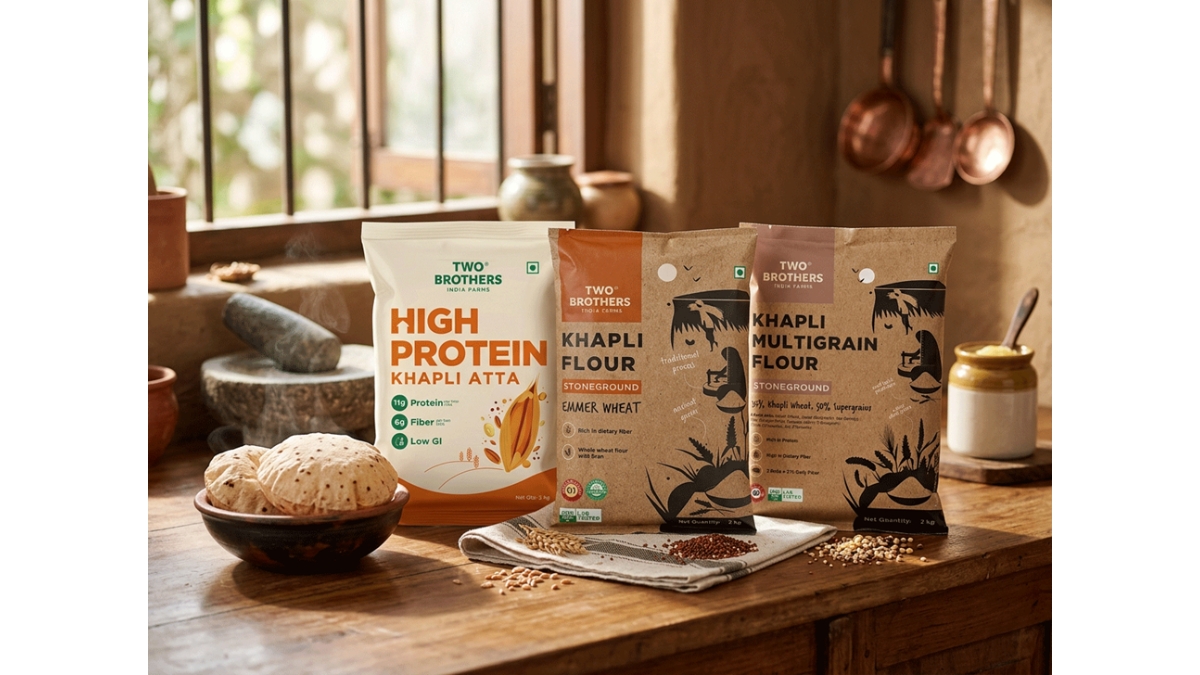
The ingredient list on the pack reads: Emmer wheat grain, soy flour, Bengal gram (chana), soy protein isolate and finger millet (ragi). Each has a job. Emmer wheat (Khapli). The base is Triticum dicoccum, one of the oldest cultivated wheats in human history and the grain behind Two Brothers’ Khapli Atta. Compared with modern hybrid wheat it carries more dietary fibre and a gluten structure many people find easier to digest. Lab tests published by the brand put Khapli Atta at 7.8 percent dietary fibre against 3.1 percent in commercial wheat flour. Soy flour and soy protein isolate. Soy is one of the few plant foods with a complete amino acid profile, including generous lysine, exactly what cereals lack. Soy flour brings protein along with natural fibre; the isolate concentrates the protein further. Bengal gram (chana). Chickpea flour adds protein and slowly digested carbohydrate, and blending it into atta is a familiar move for anyone who has added besan to roti dough. Finger millet (ragi). Ragi is among the most calcium-rich grains in the Indian diet and adds fibre and a slow-releasing energy profile. According to the product page, the result is 11 grams of protein and 6 grams of dietary fibre in a serving of two rotis, with roughly 50 percent less gluten than regular wheat and a low glycaemic index formulation. The brand describes it as delivering twice the protein of regular wheat flour and as certified glyphosate-free by The Detox Project.

What 11 Grams Actually Means

Two rotis of High Protein Khapli Atta deliver about 11 grams of protein. Four rotis, a fairly ordinary daily total, deliver about 22 grams. Four rotis from regular atta deliver roughly 12 grams. The difference is around 10 grams a day from the same number of rotis. Ten grams is roughly the protein in a large egg and a half, or in about 30 grams of paneer. For a vegetarian, closing that gap with dairy would mean adding a serving of something to the day. Closing it with an atta swap means adding nothing. Over a year, a person eating four rotis daily would take in more than three and a half kilograms of additional protein without changing what they cook. It is worth keeping the claim in proportion. A high-protein atta will not on its own cover an adult’s whole daily requirement. The ICMR-NIN dietary guidelines released in 2024 emphasise balanced plates of cereals, millets, pulses, vegetables, dairy and nuts, and they caution against relying on protein powders. This atta belongs on the food side of that line. It lifts the floor by making the most-eaten item on the plate contribute meaningfully, so that dal, curd, sprouts and paneer can do the rest.
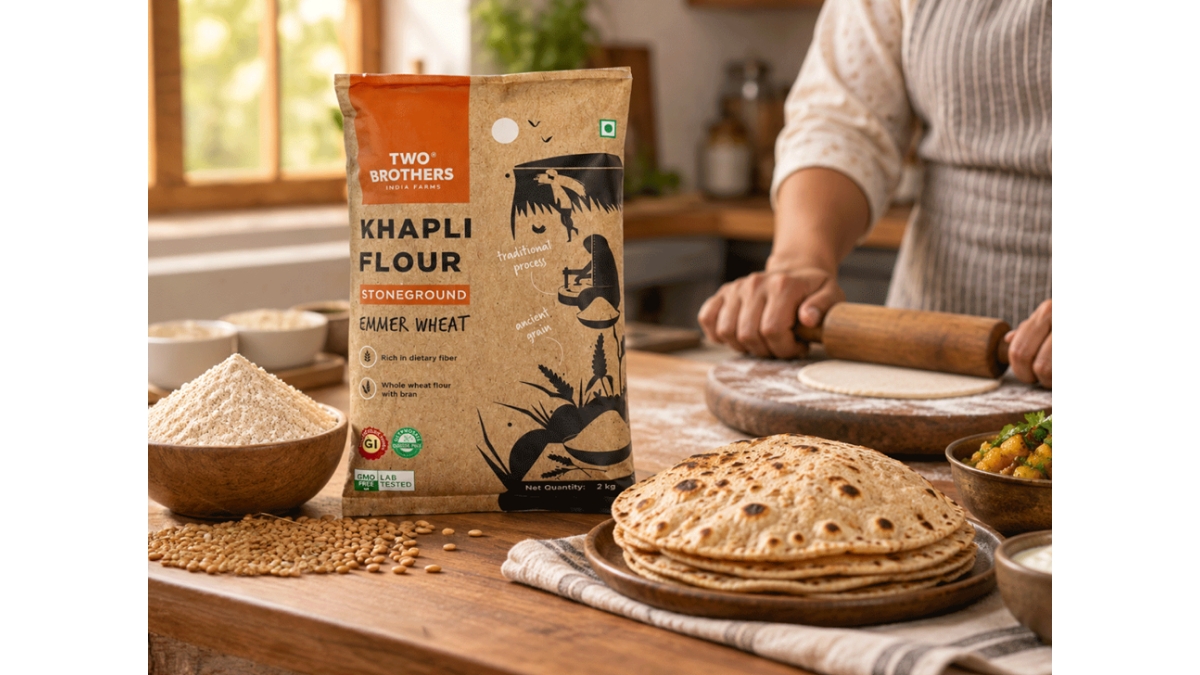
Why Vegetarians Are Struggling to Hit Their Protein Targets - and How One Atta Swap Fixes It-TBT

Fibre, Gluten and Glycaemic Response

Protein is the headline, but the other attributes arrive in every roti too. At 6 grams of fibre per serving the flour is well above most commercial atta, and the ICMR recommends roughly 40 grams of fibre a day, which most urban Indians miss. The lower gluten load is one reason many people find Khapli rotis lighter after a meal. And protein, fibre and legumes together slow the conversion of starch to glucose, which matters for the roughly 101 million Indians living with diabetes according to the ICMR-INDIAB study.

Cooking With It

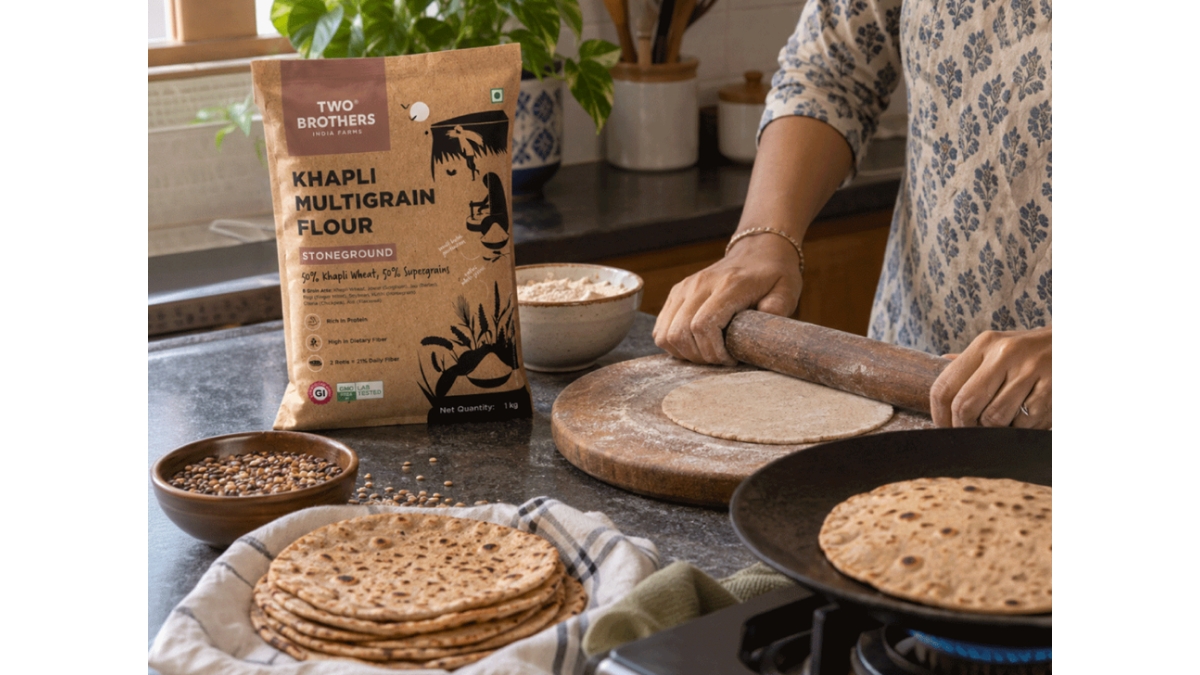
The atta is designed to behave like atta, and the product page states that no recipe changes are needed. Use warm water, knead well, rest the dough for ten to fifteen minutes and add water gradually, since legume blends absorb it a little differently. It works for rotis, parathas, theplas and chillas, and because the protein is built into the flour it carries through to tiffin-box parathas and thepla too. An illustrative vegetarian day: a paneer or moong-stuffed paratha with curd at breakfast, two rotis with dal and salad at lunch, roasted chana in the evening, and two rotis with rajma or chole at dinner. The four to five rotis or parathas supply roughly 22 to 28 grams of protein on their own, and the dal, curd and legumes bring the day into range for many adults without powders. For children, who resist lentils but accept a paratha, building protein into the familiar food is one of the easiest ways to raise intake.

Pre-Navratri Planning

Over nine days of Navratri many households move to vrat food such as kuttu, singhara, sabudana, potatoes and dairy, which can be light in protein and fibre. The weeks before are a good moment to review the everyday diet, enter the festival with a balanced plate and try a new staple. To be clear, wheat atta including Khapli is not part of traditional vrat menus, so this product is for the regular meals on either side of the fast.

Being Honest About What It Is and Is Not

It contains soy and gluten. The pack carries an allergen declaration for both. Anyone with a soy allergy, wheat allergy or coeliac disease should not use it. Lower gluten does not mean gluten-free. It is not a substitute for a varied diet. It is an everyday staple with more protein in it, not a supplement, and it should sit alongside dal, curd and vegetables. Individual needs vary. People with kidney conditions, those managing diabetes with medication, pregnant women and growing children should speak to a doctor or dietitian first. The roti will also taste nuttier and slightly denser than commercial atta.

Value and Practicalities

High Protein Khapli Atta is sold on the Two Brothers India shop in 1 kg, 2 kg, 5 kg and 10 kg packs, listed at ₹265, ₹545, ₹1,245 and ₹2,370 at the time of writing, with free shipping above ₹1,499 and cash on delivery. A serving of two rotis uses roughly 70 to 80 grams of flour, which works out to about ₹18 to ₹20 at the 1 kg price. The pack is best before nine months from packaging. The product holds a 4.48 out of 5 rating from 108 reviews.

Frequently Asked Questions

How much protein does it contain? 11 grams per two rotis according to the product page, roughly 22 grams across four. Is it suitable for vegetarians? Yes. All ingredients are plant-based. Is it gluten-free or soy-free? No. It contains Emmer wheat and soy, and carries allergen declarations for both. Is it glyphosate-free? Two Brothers states that it is certified glyphosate-free by The Detox Project. Is it a replacement for protein powder? It is a whole-food staple, not a supplement, and current ICMR-NIN guidance encourages meeting protein needs through food.

The Small Change That Compounds

The protein problem persists because solutions usually demand effort, and most fade within weeks. The atta swap removes effort instead. The roti was going to be made anyway. The only question is what it contains when it reaches the plate. Vegetarians are not failing to hit their protein targets through lack of discipline. They are working against a plate that is heavy on the food that provides the least protein and light on the food that provides the most. Two Brothers India Farms’ High Protein Khapli Atta does not ask anyone to eat differently. It asks them to change one bag in the kitchen, and lets the roti, the food India eats more than any other, finally pull its weight.

Tags:

khapli atta

Share Article

Masterclass
Previous Post

Experience Product Masterclass Review: How to Create Your Online Course

IV drip therapy Ahmedabad, the blunt times
Next Post

Gujarat : Ahmedabad Youth Turn to IV Drips for Navratri Glow

Picked
Surat District Cricket Association AGM, the blunt times
Surat Cricket AGM Erupts Over Selection, Finance, Safety Claims
IV drip therapy Ahmedabad, the blunt times
Gujarat : Ahmedabad Youth Turn to IV Drips for Navratri Glow
Why Vegetarians Are Struggling to Hit Their Protein Targets - and How One Atta Swap Fixes It-TBT
Why Vegetarians Are Struggling to Hit Their Protein Targets – and How One Atta Swap Fixes It
Masterclass
Experience Product Masterclass Review: How to Create Your Online Course
MANTRA textile testing Surat, the blunt times
MANTRA Makes Surat Global Textile Testing Hub
MANTRA Banarasi Silk GI protection, the blunt times
MANTRA Pushes Uttar Pradesh Textile Policy
Popular Posts
MANTRA textile testing Surat, the blunt times
MANTRA Makes Surat Global Textile Testing Hub
By Times News Service
MANTRA Banarasi Silk GI protection, the blunt times
MANTRA Pushes Uttar Pradesh Textile Policy
By Times News Service
IIT Gandhinagar enzyme study, the blunt times
Enzymes Stir Cellular Traffic, Boost Molecular Uptake
By Times News Service
Bhavnagar road accident Gujarat, the blunt times
Gujarat : Six Killed as Bolero Crashes Into Trailer in Bhavnagar
By Times News Service
Monu Chauhan
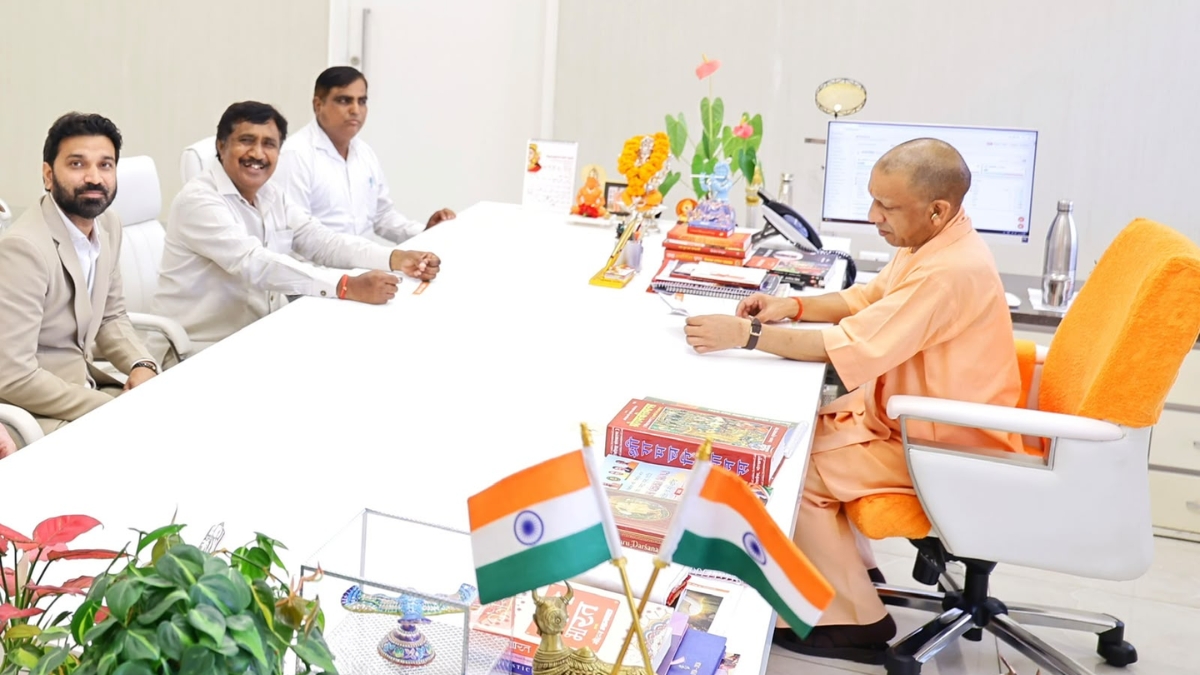
Monu Chauhan Discusses Ayodhya Infrastructure and Development Vision with CM Yogi Adityanath
By TBT Online Desk
Dubai New Year 2027 yacht party, the blunt times
Dubai New Year Eve Announces New Year 2027 Yacht Party Packages in Dubai
By Times News Service

Read Next

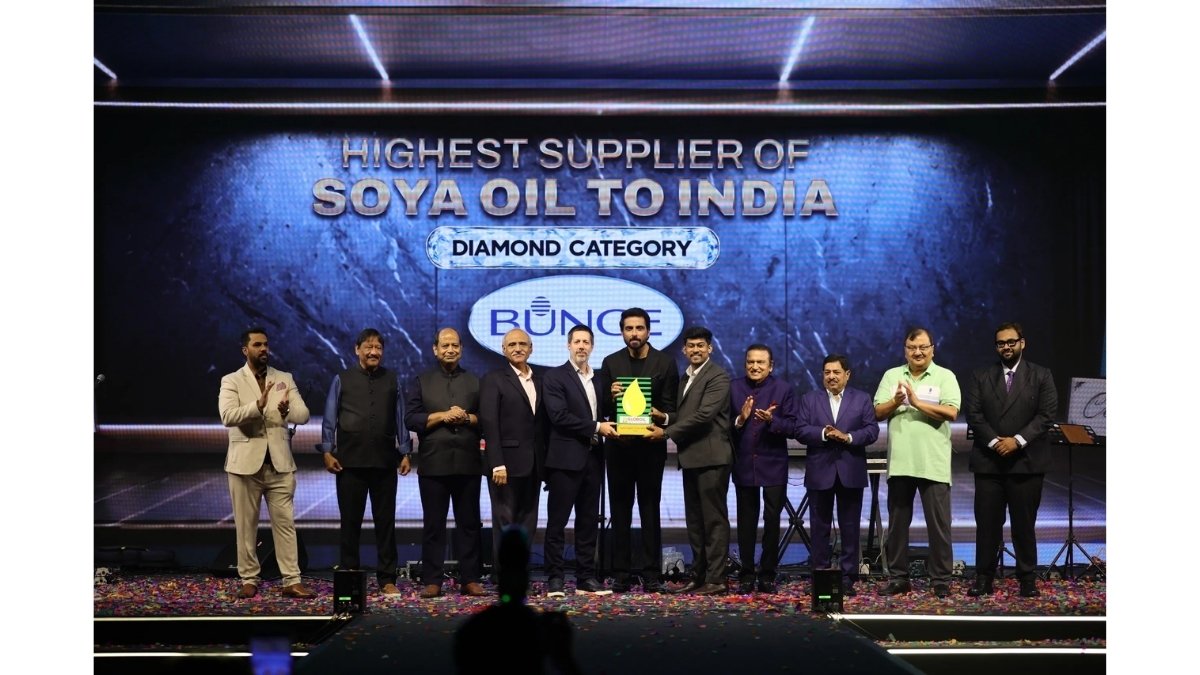
GLOBOIL India 2026 Charts the Future of Edible Oils as Global Leaders Meet in Mumbai
Business
GLOBOIL India 2026 Charts the Future of Edible Oils as Global Leaders Meet in Mumbai
October 6, 2026
4 Min Read
US Cranberries Takes Gut Health Awareness to Doctors and Communities Across India with H. pylori Testing Initiative-TBT
Business
US Cranberries Takes Gut Health Awareness to Doctors and Communities Across India with H. pylori Testing Initiative
October 6, 2026
2 Min Read
Why Vegetarians Are Struggling to Hit Their Protein Targets - and How One Atta Swap Fixes It-TBT
Business
Why Vegetarians Are Struggling to Hit Their Protein Targets – and How One Atta Swap Fixes It
October 6, 2026
8 Min Read
Monu Chauhan
Business
Monu Chauhan Discusses Ayodhya Infrastructure and Development Vision with CM Yogi Adityanath
October 6, 2026
2 Min Read
The Blunt Times

The Blunt Times is a 24-hour news portal from Surat and south Gujarat. It was launched by senior journalist Melvyn Thomas, who has over 21 years of experience working with the top news organizations such as The Indian Express, The Times of India, and The Economic Times.

Popular
Surat Cricket AGM Erupts Over Selection, Finance, Safety Claims
October 6, 2026
Gujarat : Ahmedabad Youth Turn to IV Drips for Navratri Glow
October 6, 2026
Why Vegetarians Are Struggling to Hit Their Protein Targets – and How One Atta Swap Fixes It
October 6, 2026
Experience Product Masterclass Review: How to Create Your Online Course
October 6, 2026
Categories
City Events
National
Business Vibes
Lifestyle
Business
Education
Entertainment
Spotlight
Regional
Health
Press Release
Sports

© 2026 All Rights Reserved, The Blunt Times

  • Terms of Service
  • Privacy Policy