




Surat Embroidery Workers Threaten ‘Gaon Chalo’ Before Diwali
SURAT: Surat’s embroidery industry is staring at fresh labour unrest ahead of Diwali, with workers’ union leader Ajay D. Dubey calling for a “Gaon Chalo” movement if employers fail to implement...

SURAT: Surat’s embroidery industry is staring at fresh labour unrest ahead of Diwali, with workers’ union leader Ajay D. Dubey calling for a “Gaon Chalo” movement if employers fail to implement weekly holidays and other labour provisions. The call comes days before an industry meeting scheduled for October 10 to discuss the contentious demands.
The dispute centres on workers’ demands for an eight-hour working day, a paid weekly holiday and implementation of labour laws. The issue has remained contentious despite recent intervention by the labour department. A circular directed embroidery units to comply with the applicable labour codes, bringing the demands for working hours and weekly leave back into focus.
In a social media video, Dubey urged workers to first approach the Deputy Labour Commissioner, labour officials and the Collector with written complaints against units allegedly failing to comply with the directives.
“If there is no weekly holiday and the labour provisions are not implemented, workers should file complaints with the concerned authorities,” Dubey said.
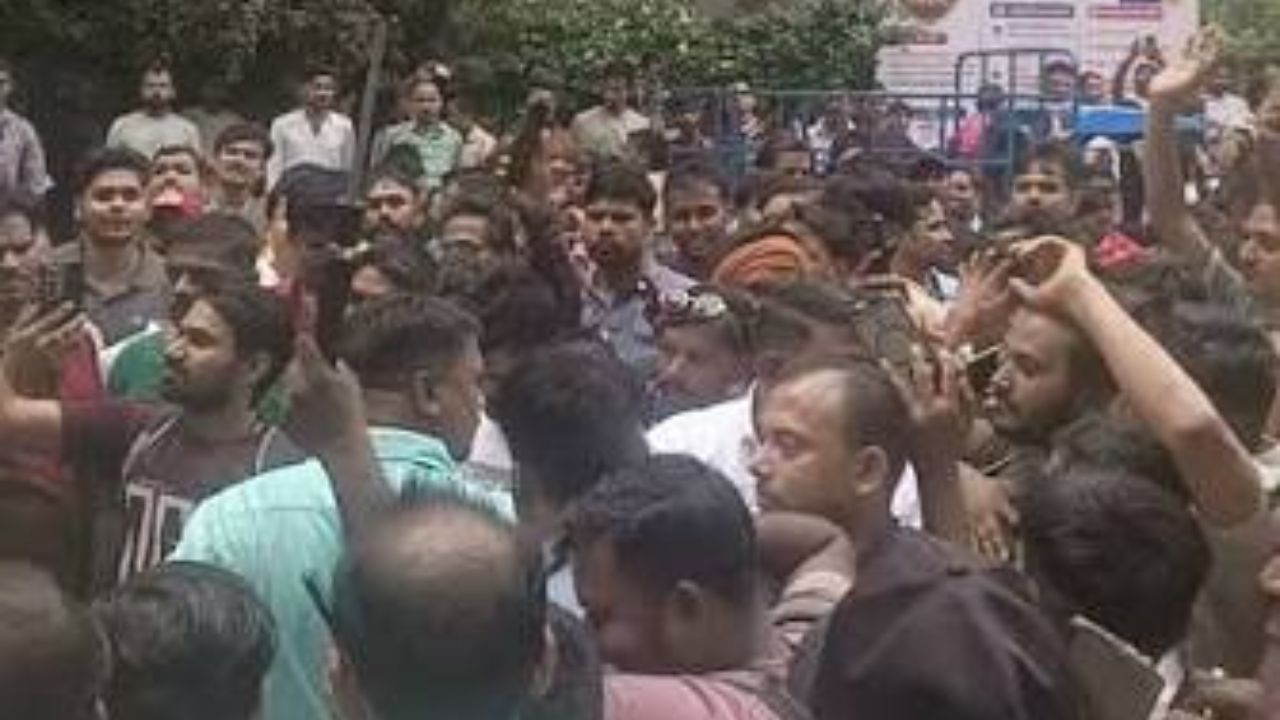
He also appealed to workers from different shifts to collectively approach their employers. If their demands remain unresolved, he suggested that workers return to their native villages for an extended period around Diwali and Chhath Puja.
Dubey said the proposed “Gaon Chalo” action was aimed at avoiding confrontation at factories and giving workers an opportunity to celebrate the festivals with their families. He also urged employers to cooperate rather than risk disruption during the crucial festive-season production period.
The renewed call comes after an earlier protest was withdrawn following the labour department’s directive. However, the dispute over working hours, paid weekly leave and wages remains unresolved.
On the industry side, Karunesh Ranpariya, a prominent representative of the Surat Embroidery Zari Association, said arrangements were being discussed for payment of the prescribed daily wage for an eight-hour shift. Industry representatives have also been assessing the financial impact of a shorter working day and paid weekly leave.
“If we maintain the same salary for eight hours and give one paid weekly off, we will have to adjust production costs in other areas. We are working out various ways to deal with it,” an industry representative said.
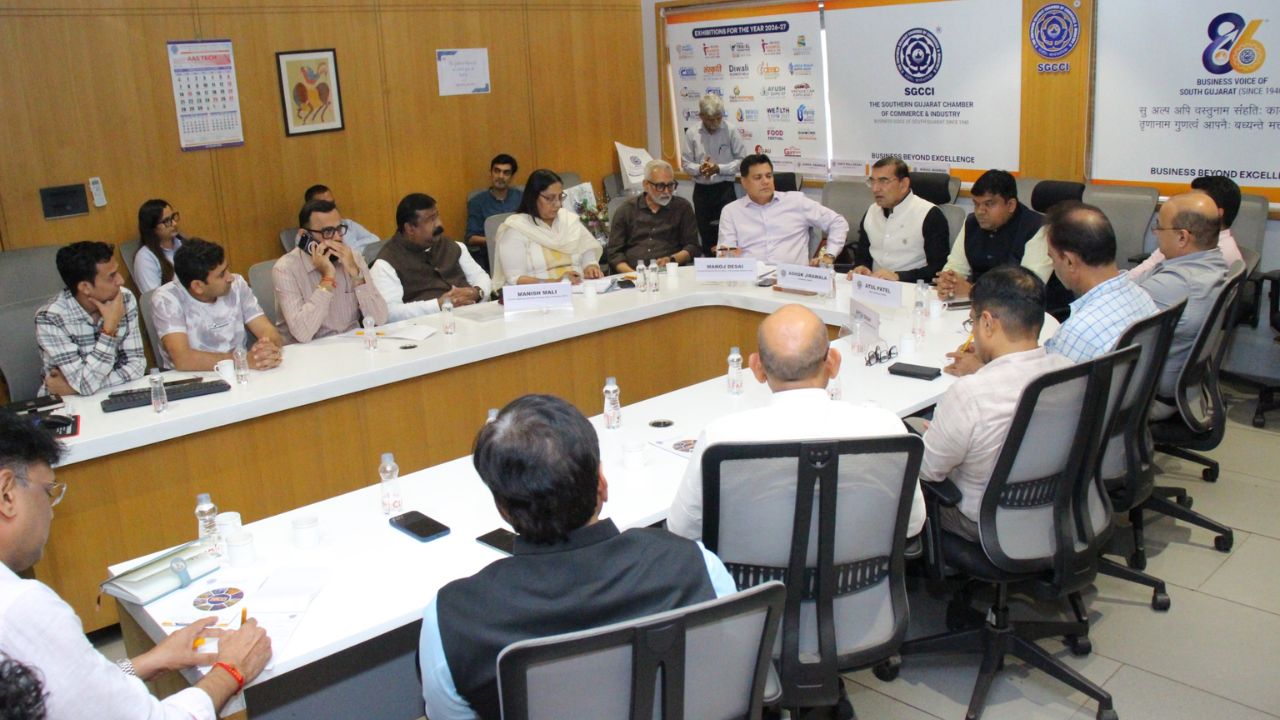
The October 10 industry meeting is now expected to be crucial as embroidery unit owners discuss the labour department’s directives and formulate their response. With Diwali approaching, the outcome could determine whether the dispute moves towards a settlement or another round of worker mobilisation.