







Gujarat Rolls Out Digital Roadmap to Attract Global Capability Centres
GANDHINAGAR: Gujarat has moved to streamline the process of attracting and expanding Global Capability Centres (GCCs) with the state government issuing Operational Guidelines 1.0 for implementing its...

GANDHINAGAR: Gujarat has moved to streamline the process of attracting and expanding Global Capability Centres (GCCs) with the state government issuing Operational Guidelines 1.0 for implementing its GCC Policy 2025-30. The new framework brings applications, incentive claims, verification and payments under a single digital platform, aimed at making the state a stronger destination for global business operations.
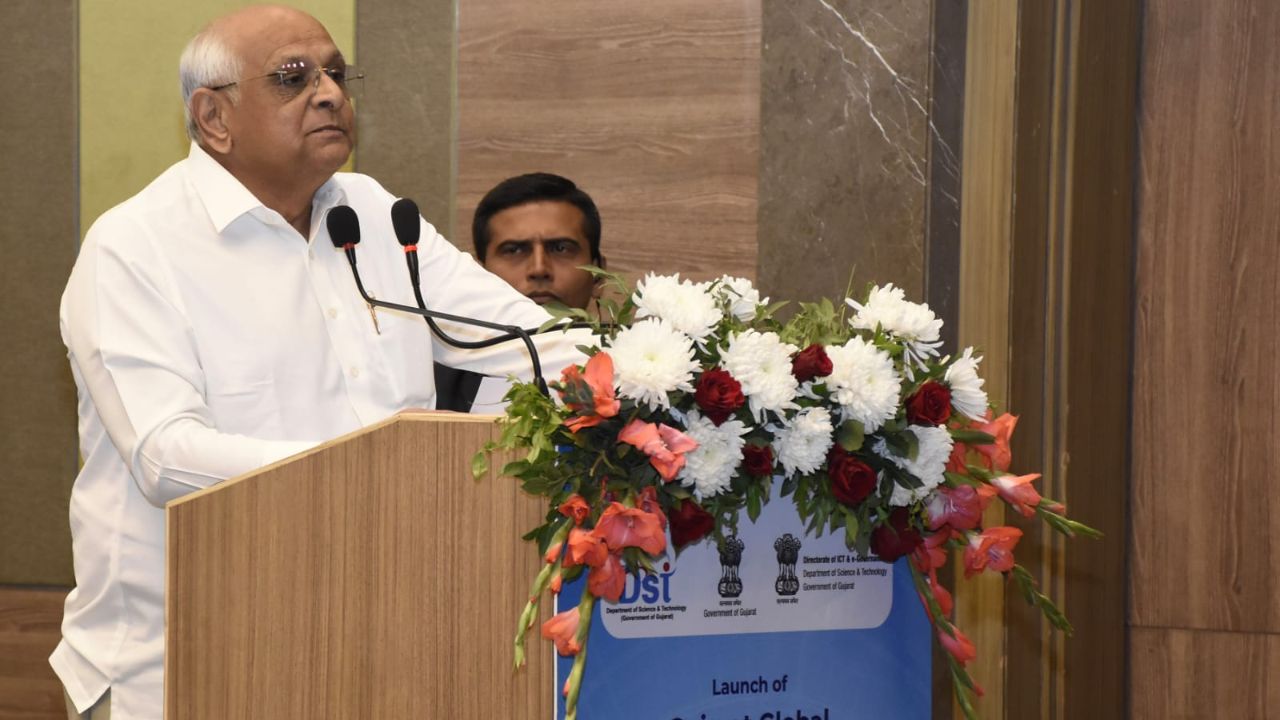
Issued on October 3, 2026, the guidelines provide a structured framework for recognising GCCs, setting up new centres and expanding existing facilities. The initiative has been undertaken under the leadership of Chief Minister Bhupendra Patel and Science and Technology Minister Arjun Modhwadia.
A key feature is the Integrated Incentive Management Portal, developed by the Directorate of ICT & e-Governance. Companies can use the platform to apply for incentives, submit claims, track verification and receive payments. Applications for eligible skill-development courses will also be processed through the portal.
The guidelines also introduce a clear “Month of Eligibility” mechanism. The starting point for incentive calculations will be the latest of three dates: commencement of commercial operations, in-principle approval or achievement of the eligible employee count.
For GCC recognition, companies will have to submit documents establishing their relationship with the parent or group company. These include board resolutions, service-level agreements, ownership details, a detailed project report, GST registration and, where applicable, CA-certified investment details.
For new GCCs, the prescribed documentation includes incorporation and GST certificates, Gujarat property lease or purchase documents, employee allocation details, a DPR and the first service invoice. Existing centres seeking expansion will have to submit documents relating to additional activities, investment and employment.
The policy covers eligible CAPEX and OPEX expenditure, subject to prescribed conditions. Eligible CAPEX can include buildings, computers, software, networking hardware and other fixed assets. Land costs are excluded, while certain stamp duty, registration fees and equipment for captive renewable-energy plants may qualify.
Furniture, fixtures, renovation, civil work, interior design, electrical fixtures, HVAC equipment and other machinery may also qualify if supported by required documents.
For new GCCs, eligible investment made within two years of commercial operations can be considered, while expansion-related investment will be assessed within two years of the expansion application.
The guidelines also specify claim deadlines. CAPEX claims must be submitted financial year-wise within the prescribed period, while OPEX and special-incentive claims follow separate quarterly or annual timelines. Delayed claims will be subject to pro-rata incentive calculations based on the number of days of delay.
Officials said the document-based verification mechanism will also establish whether a GCC provides services to its parent or group company as required under the policy.