





Featured
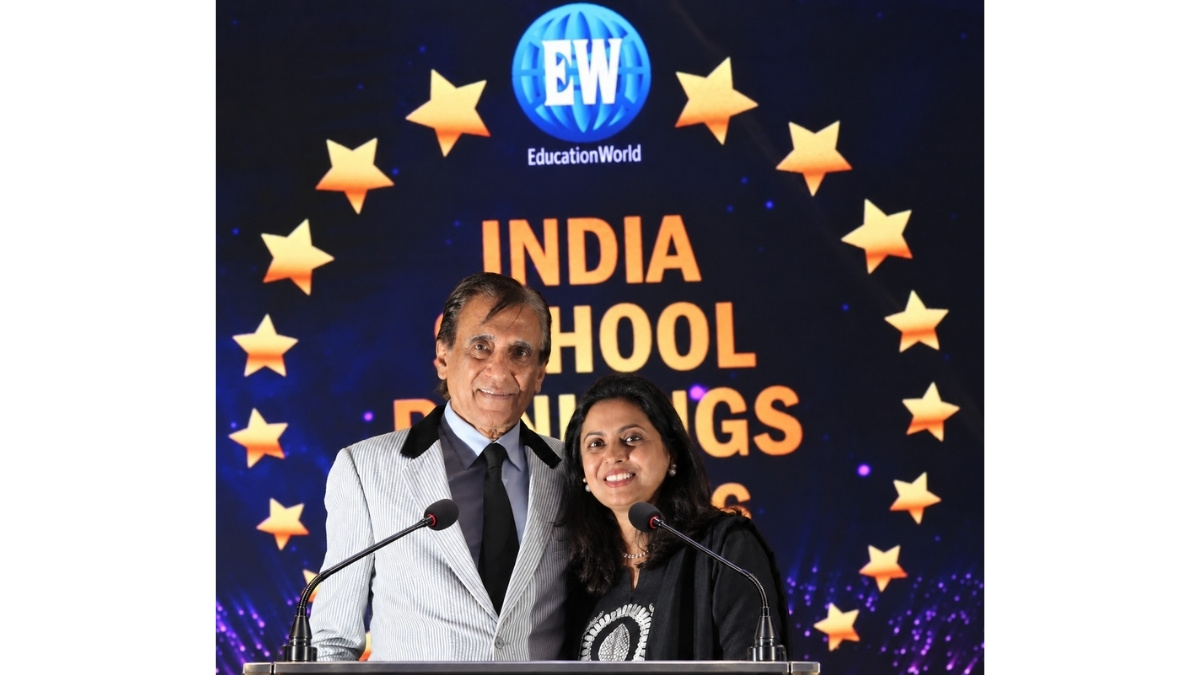
World’s Largest School Survey Unveiled: EducationWorld India School Rankings 2026-27
Kandla e-methanol plant Gujarat, the blunt times
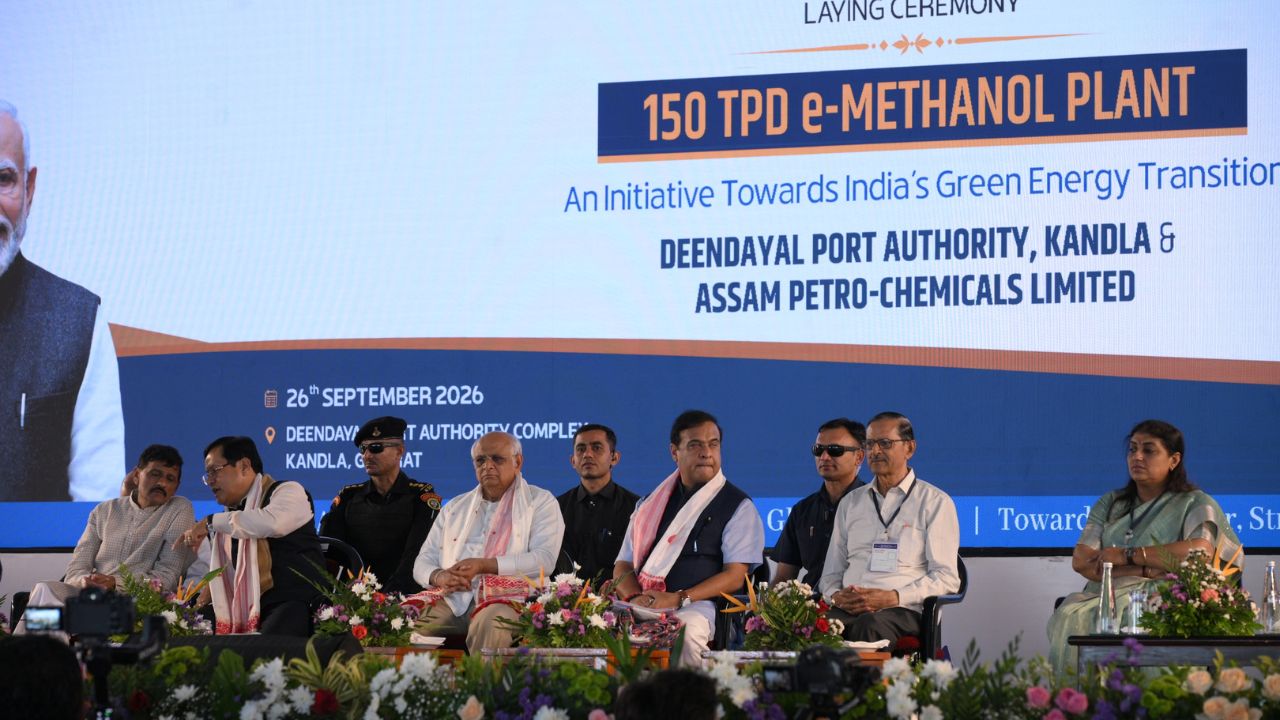
Rs.2,300 Crore Kandla E-Methanol Plant Gets Green Light
Gujarat bogus political donation racket, the blunt times
IT Probe Unearths Rs.725 Crore Bogus Political  Donation Network in Gujarat
September 26, 2026
The Blunt Times The Blunt Times
  • National
  • City Events
  • Business Vibes
  • Education
  • Entertainment
  • Regional
    • Bharuch
    • Dang
    • Navsari
    • Surat
    • Valsad
    • Hindi
    • Gujarati
  • Health
  • Crime corner
  • Sports
  • Spotlight
Search the Site
Popular Searches:
Chatgpt Nasa Halloween
Recent Posts
Royale Impex
Leading Marble Company in India: Royale Impex Marks 28 Years of Legacy and Excellence
September 26, 2026
Brandstailer
Brandstailer Strengthens Integrated Digital Marketing Capabilities Across India
September 26, 2026
CAA
74 cadets join CAA IndiGo Cadet Pilot Program in its largest-ever induction
September 26, 2026
The Blunt Times The Blunt Times
  • National
  • City Events
  • Business Vibes
  • Education
  • Entertainment
  • Regional
    • Bharuch
    • Dang
    • Navsari
    • Surat
    • Valsad
    • Hindi
    • Gujarati
  • Health
  • Crime corner
  • Sports
  • Spotlight
Follow us
ExamOnline
Home/Education/ExamOnline CEO Maneesh Singh on Degrees, Skills and What Employers Really Need
Education

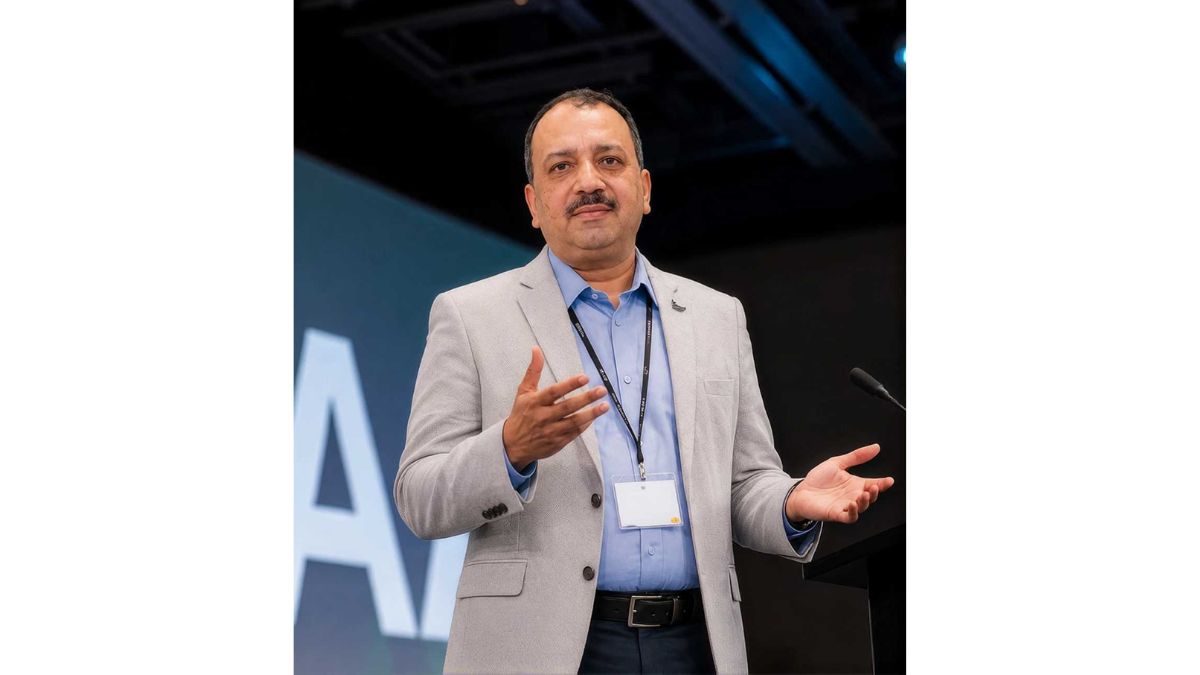
ExamOnline CEO Maneesh Singh on Degrees, Skills and What Employers Really Need

The degree remains important, but changing hiring practices are pushing universities to document students’ practical capabilities through more continuous and verifiable assessment.

TBT Online Desk
September 26, 2026 4 Min Read

By Maneesh Singh, CEO, ExamOnline

New Delhi [India], September 26: For most of the last century, the degree was the deal. Institutions certified learning, employers trusted the certification, and the system held together well enough that there was relatively little pressure to question its foundations. That arrangement is unwinding faster than most universities, and most assessment platforms, have registered. Research on India’s college hiring landscape in 2026 suggests that only 21% of Indian companies have fully moved away from relying on academic scores, while 51% still allow CGPA to influence final hiring decisions. That sounds like the degree is holding its ground. But there is another way to read it: employers are increasingly supplementing academic credentials with other forms of evidence about what candidates can actually do. The credential is still part of the signal. It is simply no longer the entire signal. The credential is not dead. But it is no longer sufficient. And that distinction changes everything about how institutions must assess students before they hand them one.
The Signal From the Market

Companies including IBM, Google, Delta Air Lines and Bank of America have removed four-year degree requirements from some roles, particularly where employers can assess candidates through skills, experience or alternative credentials. IBM’s “New Collar” approach, which focused on hiring for skills rather than conventional credentials in selected technology roles, helped bring this model into mainstream discussion. Approximately 53% of employers eliminated degree requirements in 2025, up from around 30% in 2024, and roughly 48% of Indian Global Capability Centres now prioritise proven skills over degrees. These are not simply aspirational statements about the future of work. They are changes in actual hiring practice, made by organisations trying to identify candidates who can demonstrate the capabilities their roles require. Two-thirds of companies operating in India see a need to tap into more diverse talent pools to fill emerging roles far above the global average of 47%, according to the World Economic Forum’s Future of Jobs Report 2025. That urgency is reshaping not just hiring criteria but the entire upstream conversation about how educational institutions measure, document, and verify what students have learned.

Where the Assessment System Falls Short

The problem with the current assessment architecture is not that universities produce bad graduates. It is that the information universities produce about their graduates is increasingly illegible to the market. A transcript tells an employer that a student passed macroeconomics and software engineering in the same semester. It does not tell them whether that student can debug a live system under pressure, communicate a technical decision to a non-technical stakeholder, or learn a new tool in a week when the project demands it. The World Economic Forum’s Future of Jobs report identifies analytical thinking, the ability to adapt, and familiarity with technology as more important hiring criteria than credentials. These are not qualities that a three-hour closed-book examination was designed to surface. They emerge through repeated evaluation, practical application, and longitudinal assessment none of which the conventional university examination cycle produces. The outcome of this mismatch is a hiring process that has become essentially parallel to the education system. Enterprises run their own assessments because they cannot rely on the university’s. Assessment platforms for corporate hiring have become a large and growing industry precisely because the credential gap forced them into existence.

The Infrastructure Redesign This Requires

Skills-based hiring does not just change what employers look for. It changes what institutions must be able to demonstrate, and that demands a fundamentally different assessment infrastructure. Continuous assessment requires platforms capable of delivering frequent, varied evaluations across large student populations without administrative collapse. Competency verification requires question design that goes beyond knowledge retrieval into applied problem-solving, scenario response, and practical demonstration. Skills documentation requires digital records that are granular, auditable, and verifiable by third parties, including employers who need to make decisions quickly and accurately. Research shows that employers who build real skills-assessment infrastructure achieve nearly 20 percentage points more in non-degree candidate conversion than those who simply remove degree language from job postings. The policy shift alone does nothing. The infrastructure behind it is what creates the actual outcome. This is the part of the skills-based hiring conversation that institutions have been slow to confront. Announcing commitment to continuous assessment under NEP 2020 is straightforward. Building the digital examination infrastructure that makes continuous assessment operationally feasible at scale for thousands of students across dozens of programmes is an entirely different challenge.

What Happens to Institutions That Do Not Adapt

The uncomfortable reality for universities is that the skills-based hiring shift does not wait for assessment reform to catch up. A growing number of employers have already moved. Students are already choosing institutions partly on the basis of placement outcomes, not just institutional reputation. 80% of Indian employers now say they would rather consider a person with relevant experience and demonstrated skills than a conventional graduate when those two things are in conflict. As that preference becomes embedded in hiring systems, the institutions producing graduates without verifiable skill profiles will face a compounding disadvantage that no amount of campus marketing can reverse. The future of the degree will not be decided by whether employers stop asking for it. It will be decided by whether the degree can carry credible evidence of what its holder can actually do. India’s assessment infrastructure needs to make that proof possible. Maneesh Singh is the CEO of ExamOnline, an AI-powered online assessment and remote proctoring platform founded in Mumbai in 2009, operating across 35-plus countries.

Tags:

AI proctoringdigital examsemployabilityFuture of WorkHigher EducationNEP 2020skills-based hiringuniversity assessment

Share Article

Parul University
Previous Post

Parul University Marks World Peace Day with ‘Choose Your Response’ Initiative, Engaging 5,000 Students in Conscious Decision-Making

Gujarat bogus political donation racket, the blunt times
Next Post

IT Probe Unearths Rs.725 Crore Bogus Political  Donation Network in Gujarat

Picked
Surat hazardous tree collapse, the blunt times
Surat Tree Crash Injures Four, Exposes Civic Neglect
World’s Largest School Survey Unveiled: EducationWorld India School Rankings 2026-27
Kandla e-methanol plant Gujarat, the blunt times
Rs.2,300 Crore Kandla E-Methanol Plant Gets Green Light
Gujarat bogus political donation racket, the blunt times
IT Probe Unearths Rs.725 Crore Bogus Political  Donation Network in Gujarat
ExamOnline
ExamOnline CEO Maneesh Singh on Degrees, Skills and What Employers Really Need
Parul University
Parul University Marks World Peace Day with ‘Choose Your Response’ Initiative, Engaging 5,000 Students in Conscious Decision-Making
Popular Posts
ExamOnline
ExamOnline CEO Maneesh Singh on Degrees, Skills and What Employers Really Need
By TBT Online Desk
Parul University
Parul University Marks World Peace Day with ‘Choose Your Response’ Initiative, Engaging 5,000 Students in Conscious Decision-Making
By TBT Online Desk
Irec 2026 Inaugurated in Hyderabad as India Hosts Global Real Estate Conference for The First Time-TBT
Irec 2026 Inaugurated in Hyderabad as India Hosts Global Real Estate Conference for The First Time
By TBT Online Desk
SELUTION SLR™ DEB Wins US FDA Approval for In-Stent Restenosis - Cofounder Amit Bohora Calls It "A Defining Milestone for Stentless Cardiac Care"
SELUTION SLR™ DEB Wins US FDA Approval for In-Stent Restenosis – Cofounder Amit Bohora Calls It “A Defining Milestone for Stentless Cardiac Care”
By TBT Online Desk
Surat Airport flight connectivity, the blunt times
Surat Airport Flight Crisis: $60 Billion Economy Struggles With Limited Connectivity
By Times News Service
Changing India. Changing Stories: YathaKatha Festival Edition 5 Set to Unfold in Mumbai-TBT
Changing India. Changing Stories: YathaKatha Festival Edition 5 Set to Unfold in Mumbai
By TBT Online Desk

Read Next

CAA
Education
74 cadets join CAA IndiGo Cadet Pilot Program in its largest-ever induction
September 26, 2026
2 Min Read
World’s Largest School Survey Unveiled: EducationWorld India School Rankings 2026-27
Education
World’s Largest School Survey Unveiled: EducationWorld India School Rankings 2026-27
September 26, 2026
4 Min Read
ExamOnline
Education
ExamOnline CEO Maneesh Singh on Degrees, Skills and What Employers Really Need
September 26, 2026
4 Min Read
Parul University
Education
Parul University Marks World Peace Day with ‘Choose Your Response’ Initiative, Engaging 5,000 Students in Conscious Decision-Making
September 26, 2026
3 Min Read
The Blunt Times

The Blunt Times is a 24-hour news portal from Surat and south Gujarat. It was launched by senior journalist Melvyn Thomas, who has over 21 years of experience working with the top news organizations such as The Indian Express, The Times of India, and The Economic Times.

Popular
Surat Tree Crash Injures Four, Exposes Civic Neglect
September 26, 2026
World’s Largest School Survey Unveiled: EducationWorld India School Rankings 2026-27
September 26, 2026
Rs.2,300 Crore Kandla E-Methanol Plant Gets Green Light
September 26, 2026
IT Probe Unearths Rs.725 Crore Bogus Political  Donation Network in Gujarat
September 26, 2026
Categories
City Events
National
Business Vibes
Lifestyle
Business
Education
Entertainment
Spotlight
Regional
Health
Press Release
Sports

© 2026 All Rights Reserved, The Blunt Times

  • Terms of Service
  • Privacy Policy