





20-Day Rain Break Puts South Gujarat Paddy, Sugarcane Crops at Risk
SURAT : A 20-day break in monsoon rains has pushed South Gujarat’s farmers into a fresh crisis, with nearly 80,000 acres of paddy at risk and rising whitefly infestation threatening to reduce...

SURAT : A 20-day break in monsoon rains has pushed South Gujarat’s farmers into a fresh crisis, with nearly 80,000 acres of paddy at risk and rising whitefly infestation threatening to reduce sugarcane production by an estimated 10 to 15 per cent this season.
South Gujarat witnessed heavy rainfall after a fortnight-long delay at the beginning of the monsoon, triggering flooding in creeks and rivers and bringing relief to farmers. However, the prolonged dry spell since then has raised fears of crop damage, particularly in rain-fed and sugarcane-growing areas.
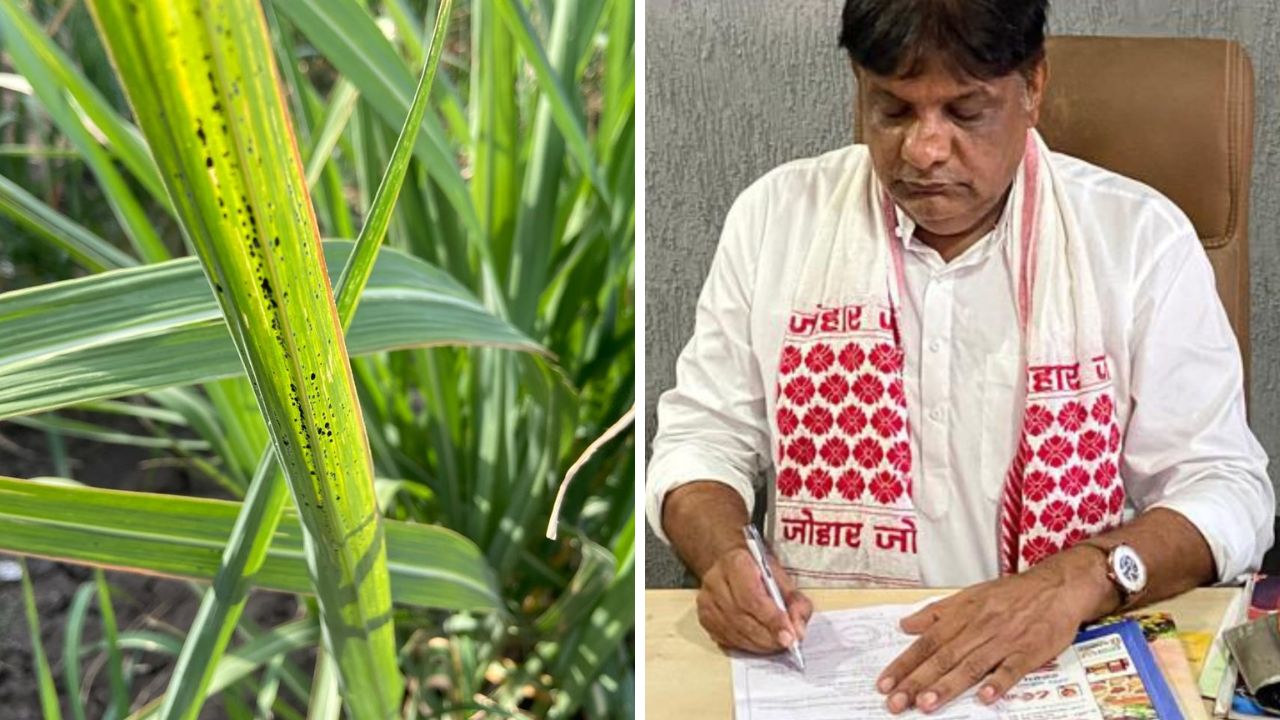
Farmer and cooperative leader Jayesh N. Patel (Delad) said the impact was becoming increasingly visible across the region.
“Due to the lack of timely rains, paddy and sugarcane crops have started getting seriously affected. In the sugar belt covering Sayan, Bardoli and Navsari, whitefly infestation has increased significantly,” he said.
According to Patel, the combination of inadequate rainfall and pest attacks could hit sugarcane yields and sugar production in South Gujarat by 10–15 per cent during the current season.
Rain-fed paddy cultivated across the hilly and tribal belts of Surat, Tapi, Valsad and Dang is particularly vulnerable. Areas including Umarpada, Mandvi, Vyara, Songadh, Uchchal and Nizar are facing growing concerns over moisture stress.
“Nearly 80,000 acres of paddy are currently at risk. If rains do not return soon, the income of small and marginal farmers will be directly affected,” Patel said.
The prolonged dry spell could also trigger a shortage of fodder, adding pressure on livestock owners and potentially affecting milk production.
With paddy facing a rain deficit and sugarcane battling whitefly infestation, farmers across South Gujarat are now anxiously awaiting the next spell of monsoon rain. The coming days could prove crucial for the region’s agricultural output and rural economy.