




Gujarat Sugarcane Farmers Turn to Other Crops as Costs Rise, Profits Shrink
SURAT: Sugar prices may be climbing, but for many sugarcane farmers in South Gujarat, the crop is losing its sweetness. Rising fertiliser and labour costs, stagnant cane prices, delayed payments and...

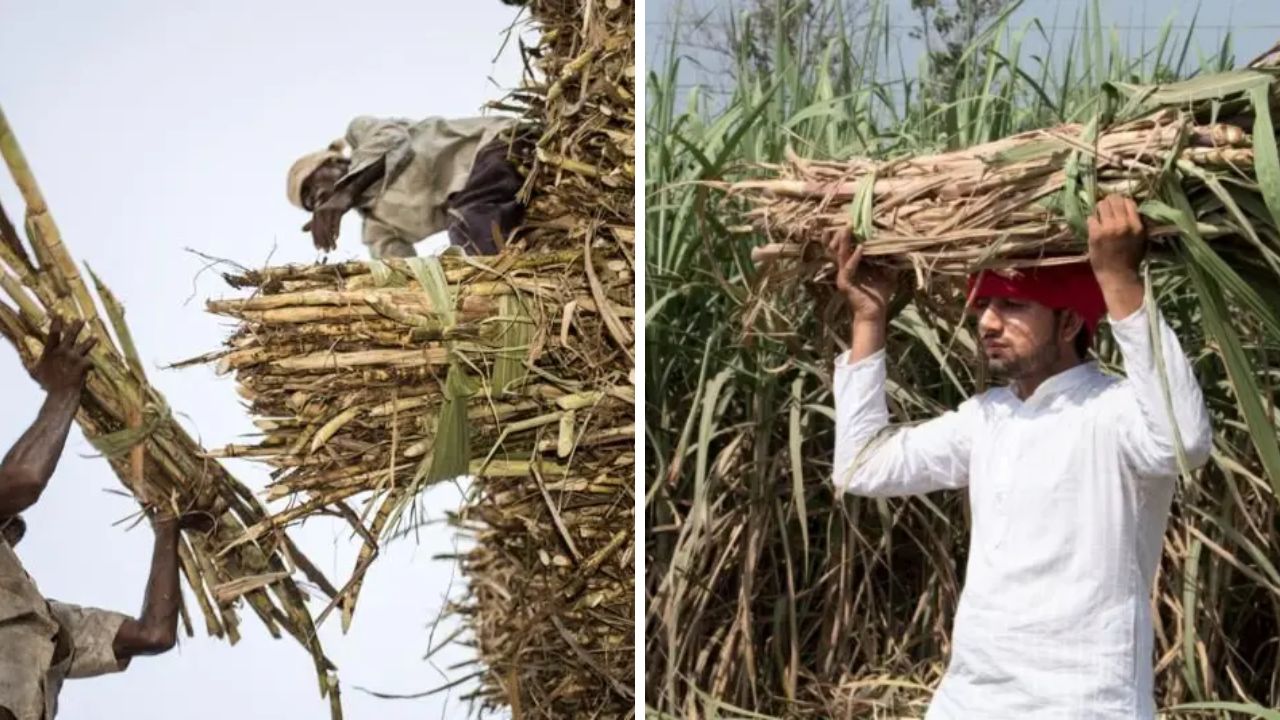
SURAT: Sugar prices may be climbing, but for many sugarcane farmers in South Gujarat, the crop is losing its sweetness. Rising fertiliser and labour costs, stagnant cane prices, delayed payments and crop damage are pushing farmers to abandon one of the region’s major cash crops and explore alternatives.
“The benefits of sugarcane cultivation that existed 10 years ago are no longer there today. Sugarcane prices have not increased for many years, while the cost of farming has increased significantly,” said Jayaprakash Desai, sarpanch of Morthan village near Surat, who has himself begun shifting away from sugarcane.
Desai said sugarcane currently fetches around Rs 3,600-3,700 per tonne, a price he said was comparable to what farmers received eight to 10 years ago. At the same time, the cost of cultivation has risen sharply.
“The price of a fertiliser bag that was available for around Rs 400 has now increased to Rs 1,700-2,000. At present, farmers can afford sugarcane cultivation only if they get at least Rs 5,000 per tonne,” he said.
Desai has already planted saffron mango orchards on 10 bighas instead of sugarcane. He said farmers in neighbouring villages have converted around 300-400 bighas into mango orchards, while others are experimenting with vegetables and other crops.
The concerns come as India remains the world’s second-largest sugar producer after Brazil. Government data cited in the report puts India’s sugarcane production at around 500 million metric tonnes in 2025-26, an increase of about 43.5% over a decade.
Gujarat contributes around 3% of India’s sugarcane production, with Surat, Navsari, Tapi, Narmada, Bharuch and Valsad accounting for nearly 99% of the state’s output.
Yet farmers say production is increasingly under pressure. Viral Patel, associated with Kamrej Sugar Factory and also a sugarcane farmer, said inadequate cane supply has become a major challenge for mills.
“The biggest problem for the sugar industry is the supply of sugarcane. For example, the Sayan Sugar Factory needs one million tonnes in a season but gets only around 6.5 to seven lakh tonnes,” Patel said.
He attributed the shortage to irregular rainfall, climate change, crop diseases, industrialisation and damage caused by wild animals and boars.
A 2023 study by Junagadh Agricultural University, based on 240 sugarcane farmers, also identified low prices offered by cooperative societies as the biggest problem. Rising labour and transport costs, delays at mills, weighing-related issues, shortage of mechanical harvesters and crop diseases were among other concerns.
Sugar policies have further complicated the situation. Sugar exports remain restricted until September 30, 2026, while government controls on domestic sales are also a concern for industry stakeholders.
Darshan Nayak, director of Sayan Sugar Factory, said farmers were increasingly moving away from cane because of policy-related uncertainties and weak returns.
Meanwhile, the Gujarat government has approved a Rs 1,500-crore package linked to compensation and payments involving cooperative sugar mills. Agriculture and Cooperation Minister Jitu Vaghani said the move would strengthen mills, reduce financial uncertainties and help ensure timely payments to farmers.
For South Gujarat’s sugarcane belt, however, farmers say the long-term solution will have to go beyond financial relief—with better cane prices and stronger returns needed to make the crop viable again.