


Gujarat Fishermen to Use Turtle-Saving TEDs for First Time
GANDHINAGAR: Gujarat is set to put conservation at the heart of its fishing operations, with the state government announcing the first-ever installation of Turtle Excluder Devices (TEDs) in...

GANDHINAGAR: Gujarat is set to put conservation at the heart of its fishing operations, with the state government announcing the first-ever installation of Turtle Excluder Devices (TEDs) in fishermen’s nets to protect endangered sea turtles and strengthen the state’s position in the global seafood market.
Under the Pradhan Mantri Matsya Sampada Yojana, the government will provide 8,925 TED units free of cost to fishermen across Gujarat through 100% government assistance. The project has been sanctioned at an estimated cost of ₹20.96 crore, marking a significant step towards balancing marine conservation with the economic interests of fishing communities.
Fisheries Minister Jitu Vaghani said the initiative would help prevent turtles from being trapped in fishing nets while also improving the acceptability of Gujarat’s seafood in international markets.
“The use of Turtle Excluder Devices will ensure that sea turtles can safely escape fishing nets during fishing operations,” Vaghani said.
Gujarat, which has the country’s longest coastline, is a major fisheries and seafood-producing state. The introduction of TEDs is expected to address environmental concerns associated with shrimp trawling, particularly the accidental capture and death of sea turtles.
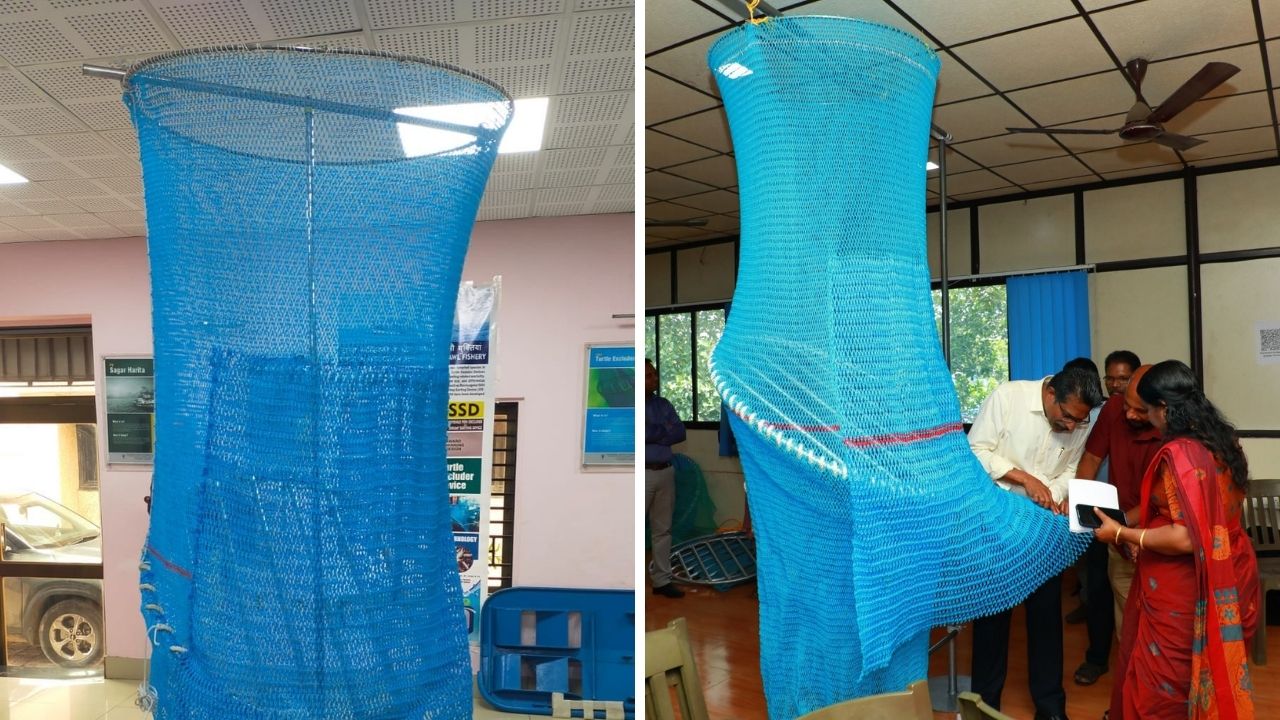
A TED is a specialised device fitted inside shrimp trawl nets. While allowing shrimp and other target catch to remain inside the net, the mechanism provides larger marine animals such as sea turtles with an escape route through a specially designed opening.
The move also has an important export dimension. Concerns over the protection of sea turtles during fishing operations have affected access to some international markets, including the United States. The government expects wider use of TEDs to help Gujarat’s seafood sector meet international conservation requirements and obtain necessary certifications.
Officials said this could strengthen opportunities for shrimp exports to the US and other global markets, potentially benefiting both fishermen and seafood exporters.
The Centre has approved 8,925 TED units for Gujarat, reportedly the highest number sanctioned for any state. The specialised TED model has been developed by ICAR’s Central Institute of Fisheries Technology (CIFT), Kochi, in accordance with global standards, including those followed by the US National Oceanic and Atmospheric Administration.
The initiative is being viewed as an effort to combine environmental protection with livelihood security. By reducing accidental turtle mortality while supporting responsible fishing practices, Gujarat aims to reinforce its emerging Blue Economy.
The state government expects the programme to contribute to marine biodiversity conservation while helping its fishermen and seafood industry remain competitive in increasingly environmentally conscious global markets.