






Adani CNG Price Hiked by Rs.4, Auto Drivers Demand Immediate Fare Revision
AHMEDABAD : Thousands of CNG vehicle owners across Gujarat have been hit by another sharp fuel price hike after Adani increased the price of CNG by ₹4 per kg, taking the retail rate to ₹94.02 per kg...

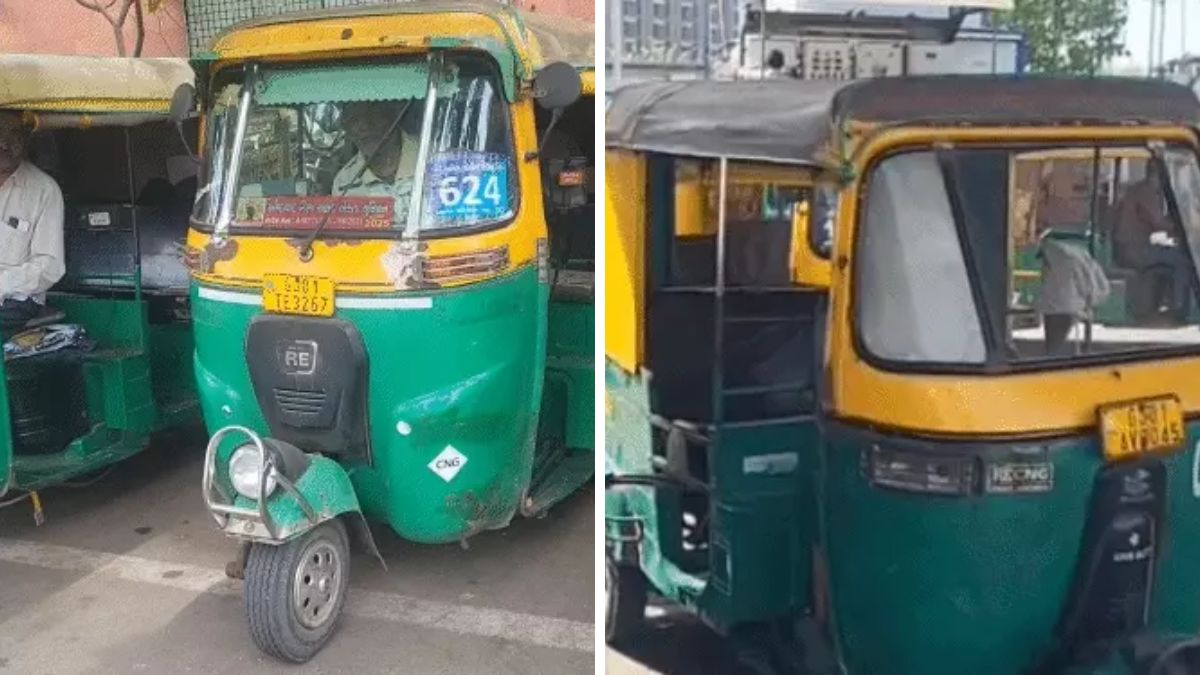
AHMEDABAD : Thousands of CNG vehicle owners across Gujarat have been hit by another sharp fuel price hike after Adani increased the price of CNG by ₹4 per kg, taking the retail rate to ₹94.02 per kg from August 1. The latest increase, the second in just 12 days, has sparked strong protests from auto-rickshaw and taxi drivers, who say their earnings are shrinking while operating costs continue to rise.
The company had earlier raised the CNG price by ₹2 per kg on July 19, increasing the rate from ₹88.02 to ₹90.02 per kg. With the latest revision, CNG now costs ₹94.02 per kg, reducing the fuel’s cost advantage over petrol and diesel.
Rickshaw drivers said the repeated price hikes have made it increasingly difficult to manage household expenses.
“Everything has become expensive. School fees, groceries and vegetables are already costing more. Now even buying a bag of milk has become a challenge after paying for CNG,” said rickshaw driver Ashish Gamiti.
The Ahmedabad Rickshaw Drivers Ekta Union has strongly opposed the latest hike and demanded that the government immediately issue a long-pending notification allowing higher auto-rickshaw fares.
Union president Vijay Makwana said the delay in revising fares has left drivers with no option but to absorb the rising fuel costs.
“Even a 10-paise increase in CNG affects our income. The government approved a fare revision earlier, but the notification has still not been issued. Meanwhile, CNG prices have increased two to three times within a month,” Makwana said.
The union has now demanded that the minimum auto-rickshaw fare be increased from ₹25 to ₹30 and called for a policy that limits CNG price revisions to once a year.
Driver associations warned that if their demands are ignored, they will intensify their protests, saying frequent fuel price hikes are threatening the livelihood of thousands of families dependent on CNG-powered transport.