





Ratul Puri on Why India’s Renewable Energy Growth Is Driven by Both Capacity enhancement and Power Delivery
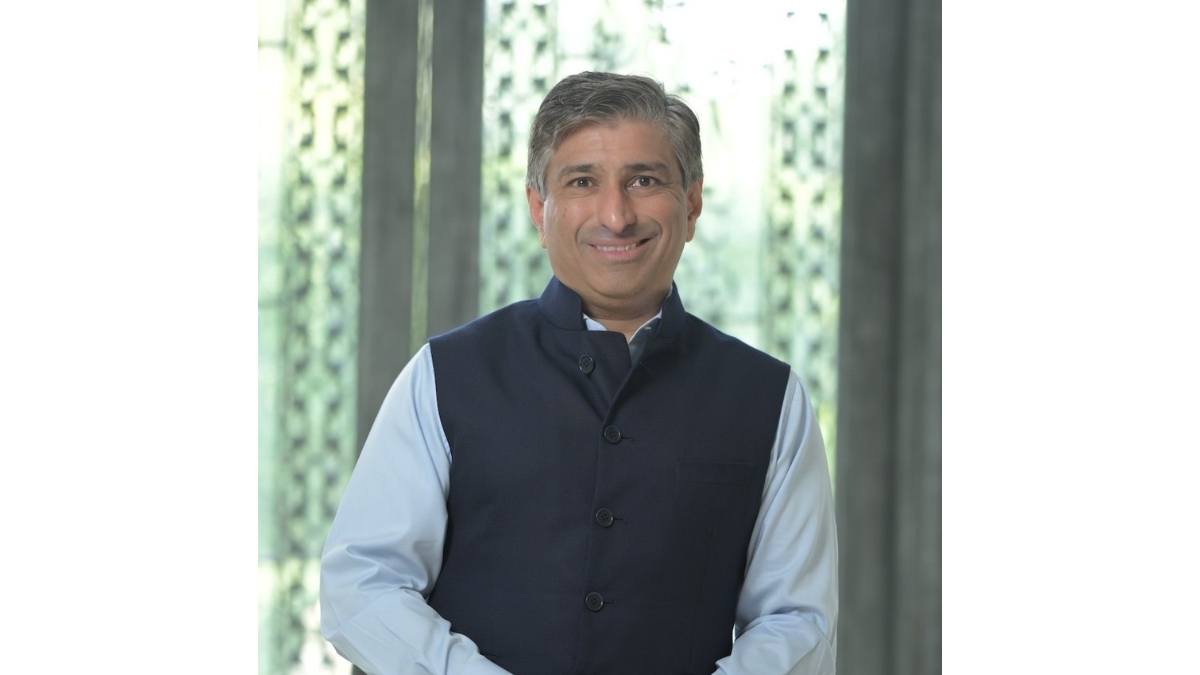
Ratul Puri, Chairman, Hindustan Power New Delhi [India], July 29: India’s renewable energy sector has entered a new phase of growth. Over the past decade, the country has made significant progress in...

Curtailment Highlights the Need for Stronger Energy Infrastructure
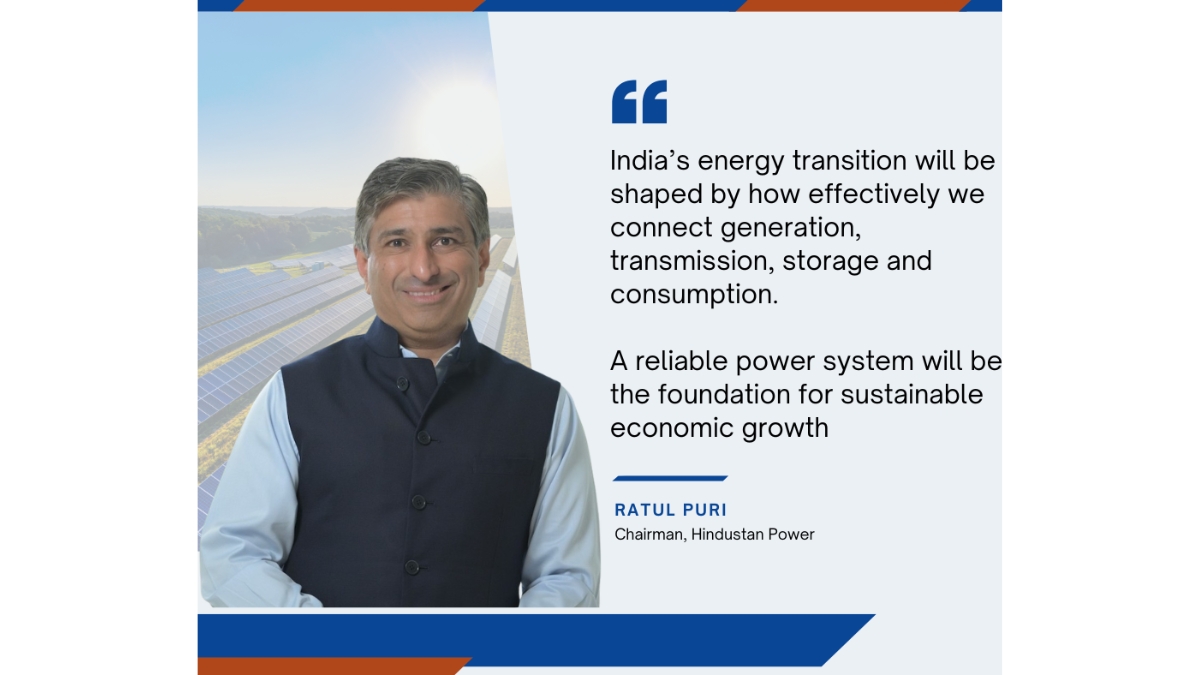
According to Ember data, India curtailed around 300 GWh of renewable energy during the first quarter of 2026 due to transmission constraints. The data highlights the importance of strengthening evacuation infrastructure as renewable capacity expands across the country. Renewable-rich states with high solar and wind potential require advanced transmission systems to ensure that electricity generated in these regions can be transported efficiently to demand centres. The challenge is becoming more visible as India continues to add renewable capacity at a rapid pace. During 2025-26, India added 52,537 MW of generation capacity across all sources until January 31, 2026. Renewable energy accounted for 39,657 MW of this addition, including 34,955 MW of solar capacity and 4,613 MW of wind capacity. This growth demonstrates India’s ability to scale renewable energy deployment. At the same time, it highlights the importance of creating a power infrastructure capable of managing higher levels of variable renewable generation. “Capacity addition is a significant step forward, but the value of renewable energy depends on how effectively it can be integrated into the grid and delivered to consumers,” said Ratul Puri.Transmission and Grid Flexibility Will Define the Next Stage
Solar and wind energy generation varies depending on weather conditions and time of the day. While solar power generation peaks during daylight hours, electricity demand often increases during evening periods when solar output declines. Managing this variation requires a combination of stronger transmission networks, advanced forecasting systems, flexible generation resources and energy storage technologies. Ember’s analysis highlighted the impact of grid flexibility challenges in India’s renewable energy sector. According to the Ember data, India curtailed 2.3 TWh of solar power between May and December 2025 due to challenges in managing increased daytime solar generation and limited grid flexibility. This amount of electricity could have supplied power to nearly 400,000 households for a year. These figures highlight the importance of developing an integrated approach where renewable generation growth moves alongside investments in supporting infrastructure. “Renewable energy requires a complete ecosystem. Transmission, storage and grid management solutions have to progress alongside generation capacity to create a reliable and efficient electricity system,” Ratul Puri added.Energy Storage Will Become a Critical Enabler
Battery Energy Storage Systems (BESS) will play a significant role in improving renewable energy integration. Storage systems can capture surplus renewable electricity during periods of high generation and supply power during periods of higher demand. For India, which is witnessing rising electricity consumption due to industrial growth, electrification of transportation and expansion of digital infrastructure, storage will be essential for maintaining grid stability. Energy storage can also help reduce renewable energy wastage by improving the ability of the grid to absorb variable generation. Along with BESS, pumped hydro storage and other flexibility solutions will support the transition towards a more balanced power system. “Storage will be an important part of India’s renewable energy journey. It will help bridge the gap between renewable generation patterns and consumer demand, enabling cleaner and more reliable power supply,” said Ratul Puri.Moving Towards an Integrated Energy Future
India’s renewable energy ambitions require a shift towards a more integrated energy infrastructure approach. The next phase of growth will involve connecting renewable generation with efficient transmission systems, advanced grid technologies and storage capabilities. The objective will be to ensure that renewable energy generated across the country contributes effectively to meeting the rising electricity demand. Ratul Puri believes that strengthening the delivery ecosystem will be central to achieving India’s long-term energy goals.