






Gujarat to Replace Asphalt Roads with CC Roads Across Cities
GANDHINAGAR : In a landmark decision to end the recurring problem of potholes and damaged roads during the monsoon, the Gujarat government has approved the construction of Cement Concrete (CC) roads...

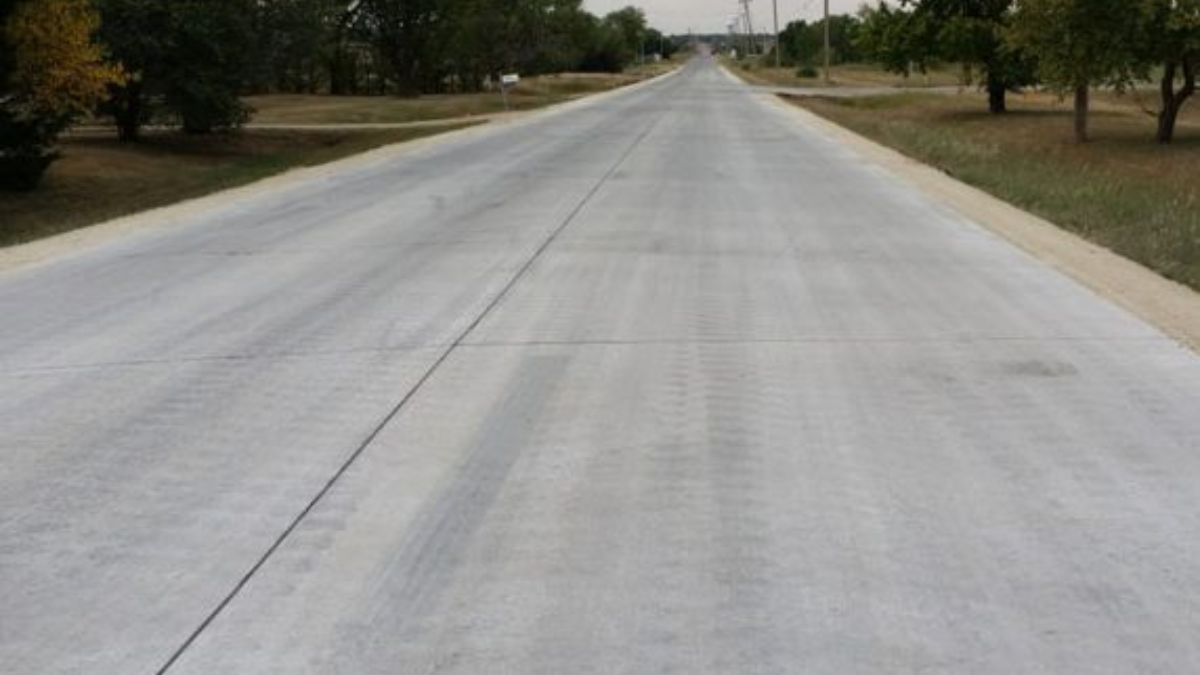
GANDHINAGAR : In a landmark decision to end the recurring problem of potholes and damaged roads during the monsoon, the Gujarat government has approved the construction of Cement Concrete (CC) roads across all Municipal Corporations and Municipalities. The move is expected to create stronger, longer-lasting roads while reducing maintenance costs over time.
The decision was taken at a Cabinet meeting chaired by Chief Minister Bhupendra Patel. Government spokesperson and minister Jitu Vaghani said all new internal roads in urban local bodies will now be built using cement concrete instead of asphalt.
“The Chief Minister has placed public interest above higher construction costs,” Vaghani said. “This decision will provide citizens with durable and high-quality roads that can withstand heavy rainfall and waterlogging for many years.”
The government has also decided to gradually replace asphalt roads with CC roads in village settlements that frequently face waterlogging. Construction of CC roads is already underway in rural areas under the Suvidhapath Yojana. The use of CC roads will also be expanded in industrial zones where heavy and multi-axle vehicles regularly operate.
Officials said CC roads cost around 30 to 40 percent more to build than asphalt roads. However, the government believes the higher initial investment will deliver significant long-term savings by reducing repair and maintenance expenses.
According to the Cabinet, CC roads have a much longer lifespan than asphalt roads and are better equipped to handle heavy traffic, flooding, and extreme weather conditions. They also minimize the formation of potholes, a persistent issue during Gujarat’s monsoon season.
The state government believes the policy will strengthen road infrastructure across Gujarat while improving road safety, easing travel, and reducing disruptions caused by frequent repairs. The initiative is expected to benefit millions of residents in urban, rural, and industrial areas by providing reliable road connectivity throughout the year.