



Developed India-2047: Surat Emerges as Key Hub in India–Norway Green Industrial Partnership
SURAT : Surat’s textile and diamond industries are poised for a historic transformation as India accelerates its “Developed India-2047” vision following Prime Minister Narendra Modi’s recent visit to...

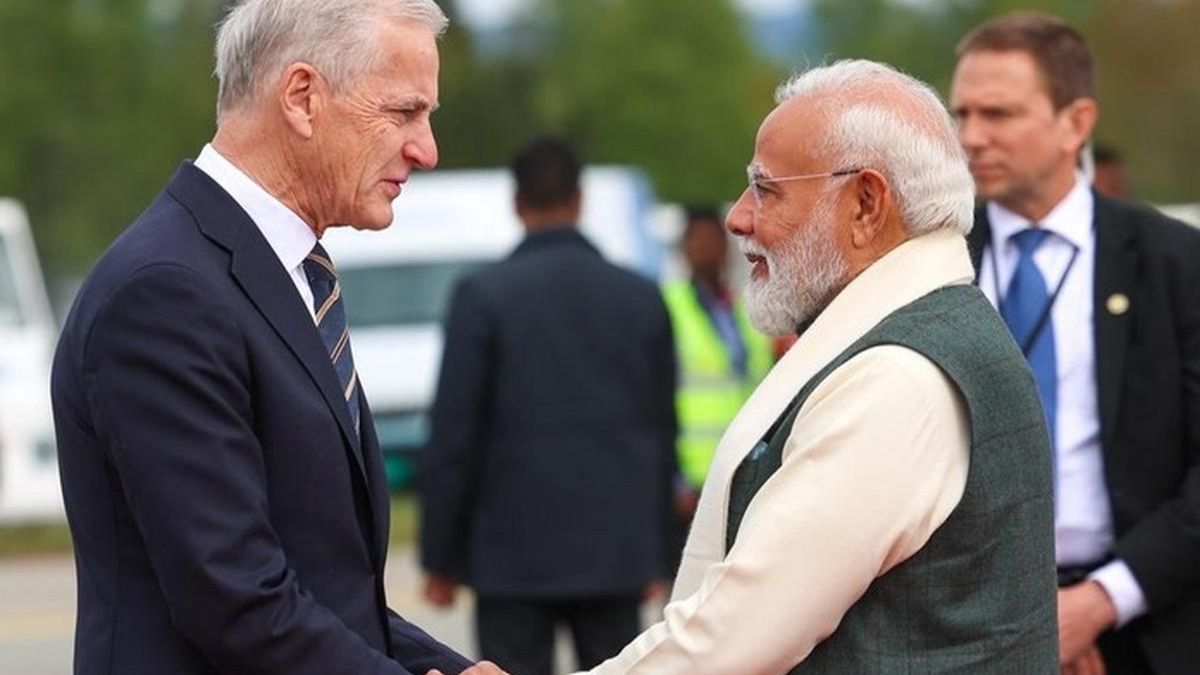
SURAT : Surat’s textile and diamond industries are poised for a historic transformation as India accelerates its “Developed India-2047” vision following Prime Minister Narendra Modi’s recent visit to Norway. The visit marked a significant milestone with the signing of the Green Strategic Partnership between India and Norway, opening new avenues for collaboration in green energy, sustainable manufacturing, and advanced industrial technologies.
The agreement, widely seen as more than a diplomatic development, is expected to reshape India’s industrial ecosystem by promoting clean energy solutions, green hydrogen adoption, ocean economy development, carbon emission reduction, and digital innovation.
Experts believe Surat—already a global powerhouse in man-made textiles and diamond processing—stands to benefit the most from this evolving international cooperation.
Surat Positioned as Future Green Industrial Capital
Surat currently dominates India’s synthetic textile production and accounts for a significant share of global diamond cutting and polishing. However, industry leaders argue that the next phase of growth must focus on sustainability and high-value innovation.
“The global economy is shifting rapidly toward green manufacturing. Surat must evolve from being a production hub to becoming a global leader in sustainable and technology-driven exports,” said industry experts associated with the Manmade Textiles Research Association (MANTRA).
The new Indo-Norway partnership is expected to accelerate this transition by enabling access to advanced green technologies, particularly in renewable energy integration and sustainable industrial practices.
Textile Industry Faces Global Sustainability Shift
The global textile market is increasingly driven by environmental compliance, carbon neutrality, and traceability. Buyers now demand eco-friendly production systems, reduced water usage, and transparent supply chains.
To remain competitive, Surat’s textile sector is expected to adopt major technological upgrades including AI-driven production systems, robotics, automated manufacturing, water recycling, zero liquid discharge systems, and renewable energy integration such as solar and green hydrogen.
“These changes are not optional anymore—they are essential for survival in global markets,” industry analysts noted.
Technical Textiles: A High-Growth Opportunity
Government focus on technical textiles is expected to open new high-value markets for Surat. Demand is rising rapidly across sectors such as healthcare, agriculture, infrastructure, automotive, defence, and fire safety.
“With its existing manufacturing base and skilled workforce, Surat has a natural advantage in becoming a global leader in technical textiles,” said a textile export consultant.
Green Hydrogen to Transform Diamond Industry
Surat’s diamond industry—accounting for nearly 90% of global cutting and polishing—could see a major transformation through green hydrogen adoption in lab-grown diamond (CVD) production.
Currently, hydrogen and methane are used in the CVD process. Replacing conventional hydrogen with green hydrogen could significantly reduce carbon emissions and increase global acceptance of Indian lab-grown diamonds.
“This shift will position Surat as the world’s first green CVD diamond hub, enhancing export competitiveness in Europe and the US,” said a diamond industry representative.
Learning from Norway’s Green Leadership
Norway’s expertise in renewable energy, carbon management, and green shipping is expected to play a key role in technology transfer and joint research initiatives.
Industry stakeholders in Surat are likely to benefit from collaborations in:
Clean energy systems
Startup innovation
Industry–university partnerships
Sustainable manufacturing models
Roadmap for Transformation
Experts have outlined key steps for Surat’s industrial upgrade, including green industrial parks, AI adoption, technical textile clusters, textile recycling systems, and a dedicated Green CVD Diamond Mission.
“Made in Surat must evolve into Made for the World—driven by innovation, sustainability, and global competitiveness,” said Dr. Pankaj Gandhi, Director of MANTRA.
Author: Dr. Pankaj Gandhi
Director, MANTRA
(The views of the author are his personal)