






How Educator Thomas Koshy Built BeyondBell to Give Teachers Their Time Back
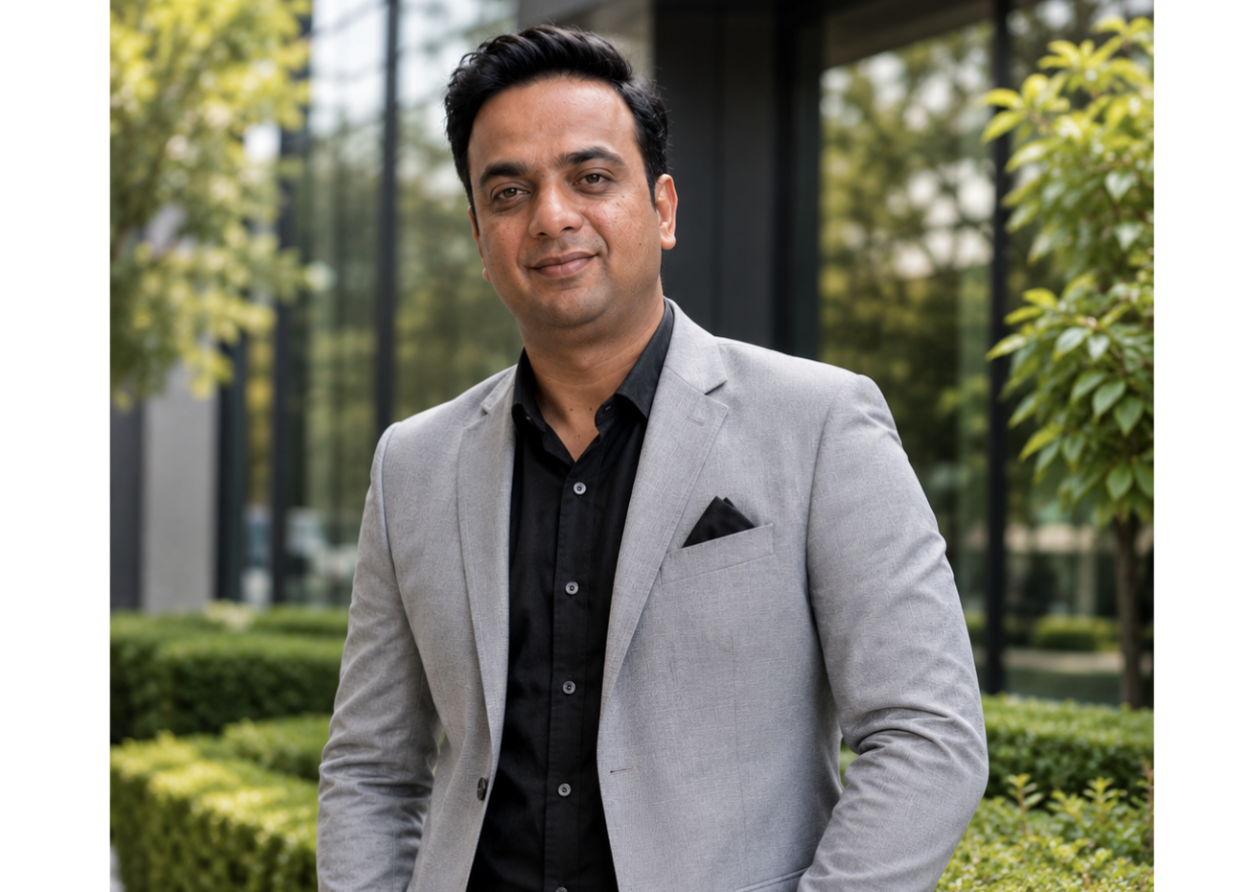
Pune, India – When Thomas Koshy asked a group of teachers how they spent their weekends, the answers rarely included rest. Most described hours of lesson planning, report writing, parent...

Pune, India – When Thomas Koshy asked a group of teachers how they spent their weekends, the answers rarely included rest. Most described hours of lesson planning, report writing, parent communication drafts, and administrative documentation. The pattern repeated across schools he worked with over a decade in educational leadership.
That observation became the foundation for BeyondBell, a platform designed to address what Koshy calls the profession’s hidden crisis: talented educators drowning in tasks that keep them away from actual teaching. “I watched excellent teachers spend three hours drafting a single parent communication or building lesson plans from scratch every week,” Koshy says. “The question became obvious – what if we could give them those hours back?”
The answer came not from adding more technology into classrooms, but from rethinking the systems around teaching itself.
From School Leader to Platform Builder
Koshy’s path to BeyondBell began in school administration, where he spent over ten years leading one of India’s established K-12 school ecosystems serving thousands of students. The experience gave him direct insight into operational realities most education technology companies miss. He noticed that while schools adopted various digital tools, these often created new complexity rather than reducing it. Teachers juggled multiple platforms, each solving one narrow problem while adding another login, another interface, another training requirement. His observations and leadership experiences were later distilled into his forthcoming book, The First-Year Principal: A Complete Operating Manual for Indian Schools, which serves as a practical guide for school leaders navigating operational complexity. But documenting problems only went so far.
“Documentation is important, but I wanted to build actual solutions,” Koshy explains. “Not tools that schools would buy and teachers would avoid, but systems educators would genuinely want to use.”
An Education Company Using Technology
BeyondBell launched with a deliberately different approach. Rather than positioning as a technology platform serving schools, Koshy describes it as an education company that happens to use technology. The distinction matters in execution. The platform combines AI-powered productivity tools with practical templates, professional communities, and school transformation frameworks. Teachers can access resources for lesson planning, administrative documentation, and communication – all designed around actual educator workflows rather than generic automation. The philosophy driving the platform is condensed into three words: Slow Down. Think Better. Teach Better.
“We are not trying to make teachers work faster,” Koshy notes. “We are trying to remove the noise so they have space to think deeply about pedagogy, student needs, and meaningful learning experiences.”
Early adoption has come from school leaders and coordinators managing multiple responsibilities. The platform addresses planning, reporting, and communication tasks that typically consume evenings and weekends.
Beyond Individual Tools
While BeyondBell started with individual educator support, Koshy’s larger vision targets institutional transformation. He sees potential for schools to become more human-centered and sustainable by redesigning systems that currently burn out talented professionals.
This includes advocating for responsible AI adoption in education – using technology to handle repetitive work while preserving the irreplaceable human elements of teaching.
“Education is entering one of the most significant transitions in its history,” says Koshy. “Artificial intelligence will change how schools operate, but it should never replace the human relationships that define great teaching. The real opportunity is to use technology to remove friction so educators can spend more time doing what only humans can do.”
The approach reflects Koshy’s decade of operational experience.
He has driven academic transformation initiatives, led educator development programs, and managed the complex realities of running large school systems.
BeyondBell currently serves teachers, school leaders, coordinators, and education administrators across India. The platform continues to expand its resource library and tool offerings based on direct educator feedback.
For Koshy, success is still measured in practical outcomes: whether teachers can reclaim time for deeper thinking, better planning, and meaningful engagement with students. Giving educators their weekends back remains an important goal, but it is only part of a much larger vision.
Koshy believes the next decade of education will belong to schools that successfully combine human connection with intelligent systems. Through BeyondBell, he hopes to help educators embrace innovation without losing the heart of teaching.
“Technology should serve the people doing the actual work of education,” he says. “The moment it becomes another burden or distraction, we have failed.”
About BeyondBell
BeyondBell is an educator-focused platform offering AI-powered tools, resources, templates, and communities designed to reduce administrative workload for teachers and school leaders. Founded by educator and author Thomas Koshy, the platform operates on the philosophy of helping educators work smarter through thoughtful systems and practical support.