





From Surat to West Bengal: Migrant wave signals political churn ahead of polls
Surat | Gujarat — As 142 seats prepare to vote in the second phase of the West Bengal Assembly elections on April 29, the political heat is being felt far beyond the state’s borders. In Surat—India’s...

Surat | Gujarat — As 142 seats prepare to vote in the second phase of the West Bengal Assembly elections on April 29, the political heat is being felt far beyond the state’s borders. In Surat—India’s diamond and textile hub—thousands of migrant workers have begun an emotional journey back home, boarding packed “Vote Special” trains with a clear and unified message: this time, Bengal must change.
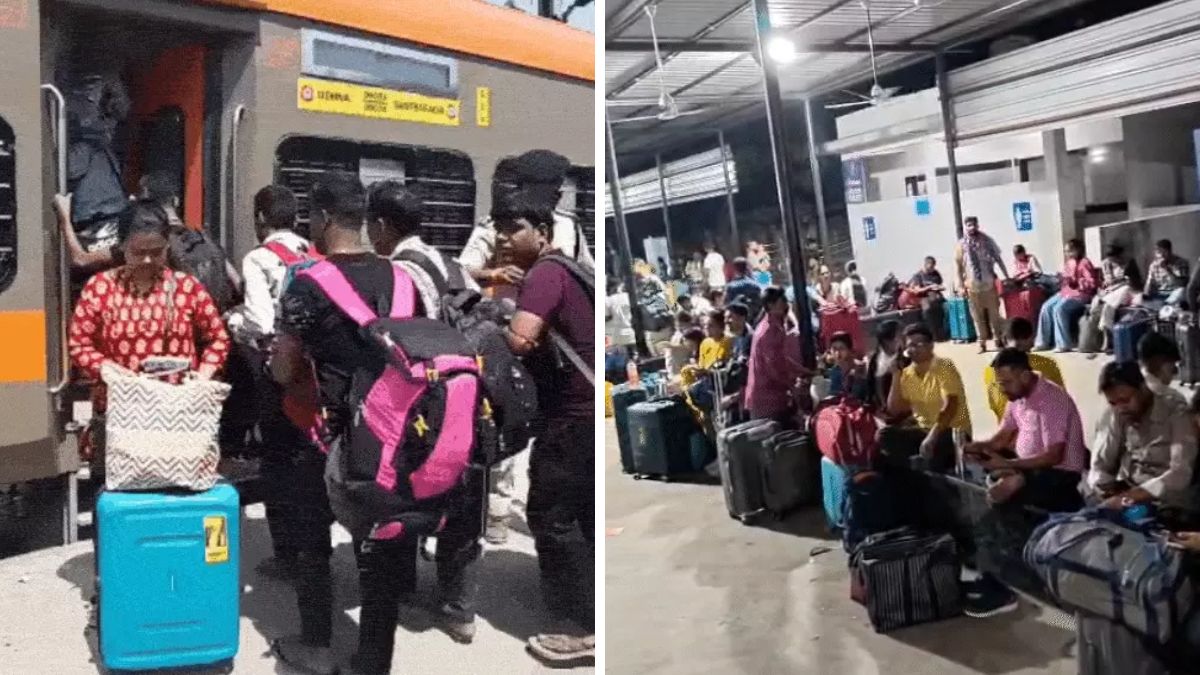
Late-night scenes at Udhna Railway Station resembled festival crowds rather than routine travel. Families carrying luggage, children clutching water bottles, and workers waving goodbye to co-workers lined up for special trains arranged to carry voters back to their constituencies. For many, this journey is not just about voting—it is about hope, identity, and the dream of returning home for good.
“We left Bengal for work—now we want change”
Thousands of Bengali workers who power Surat’s diamond polishing units and textile factories say their migration was never meant to be permanent. They left their villages in search of jobs but now want their home state to offer the same opportunities.
Sanju Sardar, who has lived in Surat since 2019, spoke with visible emotion.“There is no work or industry in our Bengal. We had to leave our families and come here to earn. We survive here, but life is difficult. We want industries back home so we can live with our families,” he said before boarding the train.
The sentiment echoed across platforms: migration should be a choice, not a necessity.
Political mood visible in train compartments
The crowds at the station revealed more than migration—they revealed political mood. Several passengers openly expressed support for the Bharatiya Janata Party, saying development similar to Gujarat was their primary demand.
Political observers say the votes of migrant workers could significantly influence outcomes in several constituencies. The sheer scale of turnout from Surat alone is being seen as a potential game-changer in tightly contested seats.
A voter waiting to board said, “We have seen development in Gujarat. If similar industries come to Bengal, our future will change. That is why we are going back to vote.”
Special trains become carriers of political aspiration
Railway officials confirmed that thousands of passengers departed in multiple special trains, including the Santragachhi Special bound for Santragachhi. In just two days, more than 10,000 passengers left from Udhna via five special services, highlighting the scale of the migrant turnout.
With summer holidays beginning, trains to Uttar Pradesh, Bihar, and West Bengal are witnessing unprecedented rush. Yet the Bengal-bound trains carry a unique sense of urgency—voters believe their ballots can reshape the state’s economic future.