





Mass Exodus of Workers Triggers Shutdown Fears in Surat Textile Industry
Surat | Gujarat — A fresh wave of migrant departures has triggered serious fears that parts of Surat’s massive textile industry could grind to a halt if the exodus continues. Thousands of workers...

Surat | Gujarat — A fresh wave of migrant departures has triggered serious fears that parts of Surat’s massive textile industry could grind to a halt if the exodus continues. Thousands of workers rushed to leave the city on Tuesday, signalling a growing labour shortage that industry leaders warn could disrupt production across weaving, dyeing and processing units.
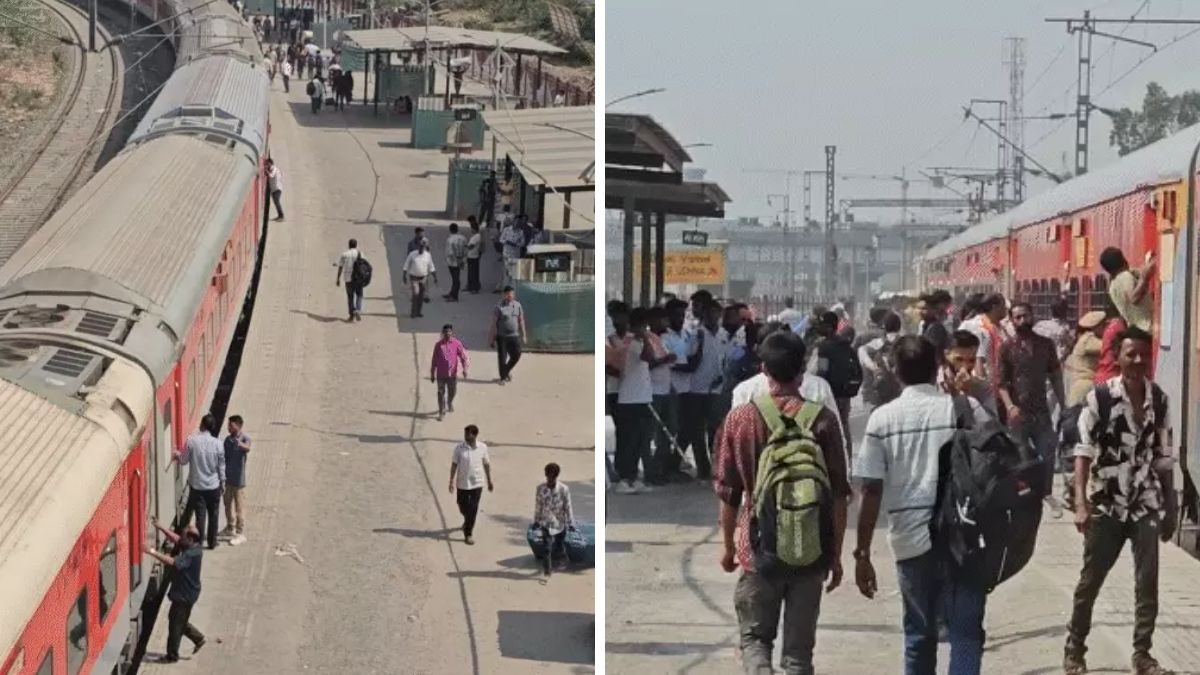
The massive crowd gathered at Udhna Railway Station as more than 8,000 passengers departed for their hometowns in Uttar Pradesh, Bihar and Odisha on four special trains in a single day. With schools and colleges closed for summer and cooking gas shortages adding to financial strain, migrant families are choosing to return home in large numbers.
“This is the backbone workforce of Surat’s textile sector. If this trend continues, shutdowns in several units are inevitable,” said a textile unit owner from the Pandesara industrial belt.
Crowds managed after earlier chaos
After chaos was reported at the station on April 19, authorities implemented strict crowd-control measures. Passengers who began arriving late Monday night were kept in a designated holding area instead of being allowed onto platforms.
When trains arrived, passengers were escorted to coaches in disciplined queues. Railway officials confirmed that the revised system prevented any major incident despite the heavy rush.
Security was tightened with personnel from the Railway Protection Force and Government Railway Police deployed across the station premises. Senior railway officers supervised the operations and indicated that additional special trains may be introduced in the coming days.
Perfect storm for labour shortage
Industry representatives say the mass departure is being driven by a combination of seasonal migration, rising living costs and ongoing global uncertainties. Many textile and diamond units also slow down during the summer vacation period, encouraging workers to visit their hometowns.
However, this year the situation is more severe. A shortage of cooking gas and rising household expenses have pushed labourers to leave earlier and in larger numbers than usual.
“Normally workers return after a few weeks, but this time families are worried about rising expenses and instability,” said a powerloom operator. “Production lines are already running below capacity.”
Industry fears production disruption
Surat is known as one of the world’s largest man-made fabric hubs, employing lakhs of migrant workers. Industry insiders warn that prolonged labour shortages could lead to reduced output, delayed orders and financial losses for small and medium units.
“If the workforce does not return soon, the textile ecosystem will face a serious slowdown,” said an industry association member. “We are already seeing reduced shifts and idle machines.”
More trains likely as rush continues
Railway officials confirmed that all four special trains departing Tuesday were fully booked. With migration expected to continue over the coming days, preparations are underway to run additional services.
For Surat’s textile sector, the coming weeks will be crucial. If workers do not return quickly, the city’s biggest industry could face one of its most challenging phases in recent years.